Related Articles
How Authoritative Parenting Shows Up in Everyday Home Life

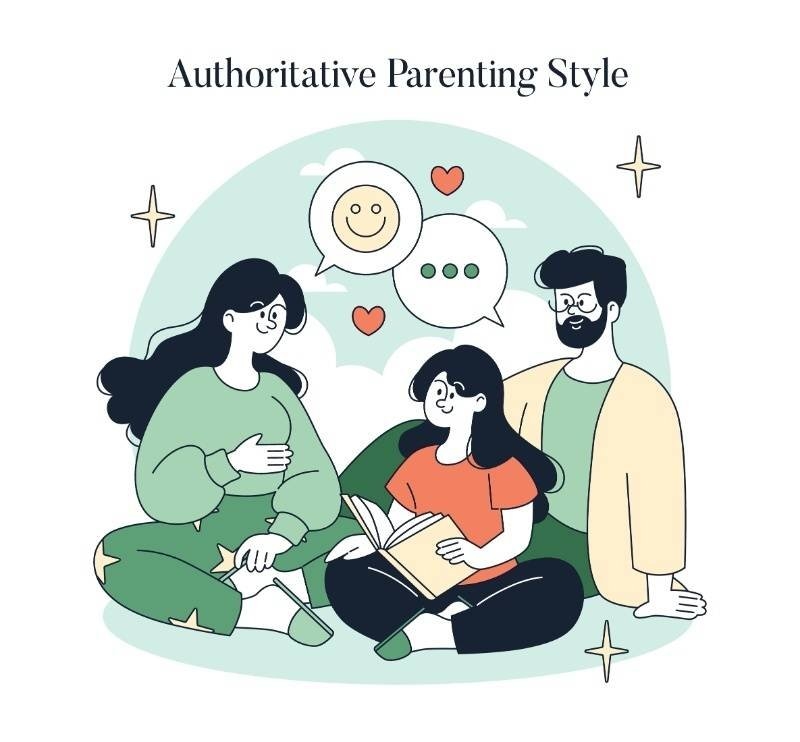
Key Takeaways
- Authoritative parenting blends real warmth with clear, steady limits, not strict control and not a free-for-all either.
- Kids raised this way tend to grow up confident, self-reliant, and pretty emotionally steady.
- It differs from authoritarian parenting mainly because it leans on reasoning instead of fear or punishment.
- Little daily habits, like explaining a rule instead of just stating it, build trust quicker than most parents realize.
- The approach shifts a bit at each age, but the core idea stays the same from toddlerhood right through the teen years.
Ever notice how some kids just seem to "get it" without much drama? That's usually this at work. Most parents want the same basic thing, a kid who's happy, respectful, and can make halfway decent choices without being told five times. Authoritative parenting lands right in that sweet spot between too strict and too soft. It's warmth paired with firm, sensible boundaries, the kind a kid can actually make sense of. Instead of expecting blind obedience, this style takes the time to explain the "why," even when that means slowing down. Decades of research keep pointing the same direction, and it tends to hold up in everyday life too. Below, we'll get into what it actually looks like day to day, how it stacks up against other styles, and a few things worth trying tonight.
What is Authoritative Parenting?
So what is authoritative parenting once you cut through the jargon? It's basically a style where a parent stays warm and tuned in while still holding firm on expectations. Guidance comes through conversation and logical consequences, not harsh punishment or empty threats. That mix lets a kid feel genuinely loved while still picking up accountability, structure, and a little respect for the rules of the house.
Authoritative vs Authoritarian Parenting: What Sets Them Apart?
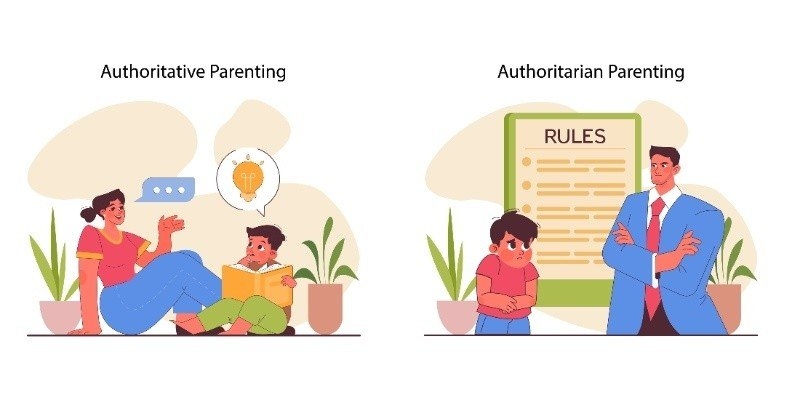
The authoritative vs authoritarian parenting question really comes down to how power gets used at home. Authoritarian parents lean hard on control to get compliance; no real discussion is involved. Authoritative parents earn cooperation by building trust first, which takes more effort but tends to stick around longer. Both set genuine expectations, but only one actually leaves room for a kid's voice to matter.
| Feature | Authoritative Parenting | Authoritarian Parenting |
| Communication style | Two-way conversation and reasoning | One-way commands and rules |
| Discipline approach | Logical consequences with explanation | Strict punishment, little explanation |
| Emotional warmth | High warmth and responsiveness | Limited warmth, high control |
| Child's autonomy | Encouraged within clear limits | Rarely encouraged or allowed |
Authoritative Parenting Examples You Can Recognize
Real authoritative parenting examples make this idea click a lot faster than any dry definition ever could. These are the small, everyday, kind of unglamorous moments that quietly shape how a kid learns to handle rules, big emotions, and everyday choices.
Setting Rules With Reasons
An authoritative parent explains why screen time wraps up at eight instead of just announcing it and walking away. That little bit of context helps the child actually understand the logic, so there's less pushback born out of pure frustration.
Listening Before Reacting
When a rule gets broken, this parent pauses first and asks what actually happened before landing on consequences. It's a small habit, but it teaches fairness and shows the kid their side of things genuinely matters, even in the moment.
Allowing Age-Appropriate Choices
A parent might let a toddler pick between two outfits or two dinner options for the evening. That small taste of control builds independence, while the bigger boundaries quietly stay right where they were anyway.
Related Read: Discipline Without Yelling: Best Positive Parenting Tips
Examples of Authoritative Parenting Across Age Groups
Looking at examples of authoritative parenting by age shows pretty clearly how the same core values shift as kids get older. Toddlers need short, simple reasons, while teens tend to respond better to real conversations and a bit of shared say in decisions.
| Age Group | How It Looks in Practice |
| Toddlers (1-3) | Short, simple reasons paired with calm, consistent redirection |
| School-age (4-12) | Family talks about rules, chores, and natural consequences |
| Teenagers (13-18) | Negotiated boundaries, shared problem-solving, and gradual independence |
Related Read: Toddler Tantrums: How to Respond With Calm and Confidence
How to Be an Authoritative Parent?
Figuring out how to be an authoritative parent takes a bit of trial and error, honestly, plus a willingness to drop a few old habits. Here are four worth starting with.
1. Explain the Why Behind Rules
Skip the classic "because I said so" and actually walk your kid through your thinking. They tend to cooperate a lot more once they understand how a boundary protects them or just keeps the day running smoother.
2. Stay Warm During Discipline
Correcting behavior doesn't mean you have to go cold or clipped with your child. Staying calm and affectionate while you discipline shows them that love and consequences can exist side by side just fine.
3. Set Consistent, Fair Limits
Rules that change depending on your mood just leave kids confused and quietly erode trust. Pick your limits ahead of time, stick with them, and only adjust as your child actually grows into something different.
4. Encourage Independence Gradually
Hand your child small responsibilities that fit where they're at right now, not where you wish they already were. Slowly building up that independence grows real confidence, while your guidance stays close enough to catch them if needed.
Why Authoritative Parenting Works So Well?
Lots of research links this approach to school gains, steadier emotions, and less worry for children. When caregivers offer both kindness and clear limits, children often learn how to pause, think, and control impulses as they get older. They also tend to get along better with others, including family and classmates, and those patterns can last.
Final Thoughts
Authoritative parenting was never about being perfect or having every answer figured out in advance. It really just asks you to pair genuine warmth with steady, sensible structure, day after day, even the messy ones. Over time, that combination helps kids feel secure, respected, and a little more ready for whatever life throws their way.
Frequently Asked Questions
What are some of the common examples of authoritative parenting?
Examples of this are to give explanations about a rule, to listen to a child's side of a story before disciplining them, and to give them some options. These are easy ways of establishing trust while maintaining clear age-appropriate boundaries.
How to be an authoritative parent without being too strict?
Rely on warmth and structure as opposed to control. Talk quietly about your rules, be clear day in and day out, and ask your child to be part of making decisions at an age-appropriate level so your rules do not seem to be one-sided.
What are the differences between authoritative and authoritarian parenting?
Authoritative parents talk with their child and listen to their opinion; authoritarian parents rely on strict rules and punishment. Both set expectations—one fosters open, two-way communication and mutual respect.
Is authoritative parenting effective with teens also?
Yes, it is flexible by being co-constructed at negotiated boundaries and through collaborative decision-making. Parents who raise their teens in this manner are likely to report having closer bonds with their teens and making better decisions than those raised by stricter, more rigid parents.
This content was created by AI


