Related Articles
Newborn Sleep Schedule Guide - Hours, Naps and Night Tips

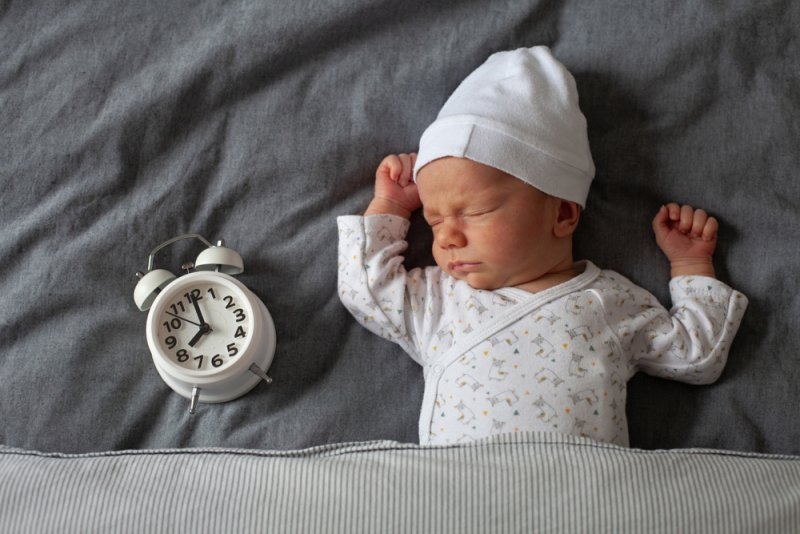
Key Takeaways
- Newborns usually sleep 14 to 17 hours a day, just not in one neat block.
- A real newborn sleep schedule doesn't usually show up until 3 to 4 months.
- Newborn sleep patterns change week to week because your baby's body clock is still catching up.
- Wake windows tell you more than the clock ever will right now.
- Safe sleep matters every time, even for a five-minute couch nap.
- Trust your gut and call your pediatrician if something feels off.
If you've just brought your newborn home, you already know your old routine is gone. Most parents go looking for a newborn sleep schedule within the first week or two, hoping it'll bring some order back to the chaos. Here's the truth: a newborn sleeping schedule is messy by design at this stage, and that's not a sign you're doing anything wrong. Once you understand how often newborns sleep, why their patterns shift so much, and how to ease into a simple infant sleep routine, the early weeks start to feel a lot less overwhelming.
What is a Newborn Sleep Schedule?
Honestly, calling it a "schedule" is a bit generous in the beginning. It's really just your baby following hunger and tiredness, not a clock. Their circadian rhythm hasn't switched on yet, so 3 am and 3 pm feel the same to them. Trying to force structure too early usually just leads to frustration for everyone involved.
What is the Sleeping Pattern of a Newborn?
The sleeping pattern of a newborn is basically a loop of short naps and quick wake-ups, repeated all day and night. Babies cycle through light and deep sleep much faster than adults do, and they surface easily between cycles to feed. That's exactly why your little one wakes up so often, even when they seem exhausted.
Must Read: Why Is Your Baby Crying in Sleep and How to Soothe Them
How Often Do Newborns Sleep?
So, how often do newborns sleep, really? On average, somewhere between 14 and 17 hours in a full 24-hour stretch. But it comes in bursts, usually two to four hours at a time, scattered through the day and night without much rhyme or reason. Blame the tiny stomach for that one, since it needs refilling constantly.
| Age | Total Sleep (approx.) | Typical Night Wakings |
| 0 to 4 weeks | 14 to 17 hours | Every 2 to 3 hours |
| 1 to 2 months | 14 to 16 hours | Every 3 to 4 hours |
| 2 to 3 months | 14 to 15 hours | Every 4 to 5 hours |
How Does an Infant Sleep Routine Work?
A good infant sleep routine isn't about rigid rules. It's more about small, repeated cues that quietly tell your baby "sleep is coming."
1. Follow a Feed Play Sleep Cycle
Feed your baby right after they wake, then let them play a bit before sleep. This helps break the habit of feeding to fall asleep every single time.
2. Watch for Early Tired Cues
Eye rubbing, yawning, or sudden fussiness are your cue to start winding down. Catch it early, because an overtired baby is much harder to settle.
3. Keep the Wind Down Short
You don't need a twenty-step bedtime routine. Dim the lights, rock gently for a few minutes, and that's genuinely enough at this age.
Newborn Sleep Patterns by Age
Newborn sleep patterns keep shifting as your baby grows, sometimes week by week.
1. Zero to Four Weeks Old
Sleep is split evenly between day and night, with no real pattern to speak of yet. That's completely normal, since the circadian rhythm hasn't kicked in.
2. One to Two Months Old
Day and night confusion tends to hang around a bit longer here, though it usually eases up by around eight weeks with bright days and dim, quiet nights.
3. Two to Three Months Old
This is often when longer overnight stretches start showing up, even if naps are still a bit hit or miss. Every baby gets there on their own timeline.
Top Pick: 5 Signs Your Baby Growth Spurts Are About to Begin
Building a Consistent Infant Sleeping Schedule

You'll have better luck working toward a real infant sleeping schedule once your baby is closer to three or four months old. Instead of forcing something new, pay attention to the rhythm your baby is already showing you. And if sleep suddenly gets worse out of nowhere, it might just be a growth spurt passing through, not a step backward.
Safe Sleep Basics Every Parent Should Know
No matter how tired you are, safe sleep habits aren't something to skip, even for a quick nap.
- Always lay your baby on their back, for naps and nighttime alike.
- Stick to a firm, flat mattress with just a fitted sheet, nothing else.
- Keep the crib bare, no pillows, blankets, bumpers, or stuffed animals.
- Room share, not bed share, for at least the first six months.
- Dress your baby lightly and keep the room on the cooler side.
These aren't just guidelines. They genuinely lower risk and let you sleep a little easier too.
When Should You Call Your Pediatrician?
Most bumps in newborn sleep are just part of the deal, nothing to panic over. That said, call your pediatrician if your baby seems unusually limp, has a weak cry, or won't wake up for feeds. Breathing changes, refusing to eat for a stretch, or being nearly impossible to settle are also worth a call sooner rather than later.
Conclusion
No two newborns follow the same newborn sleep schedule, and the messiness of these early weeks is completely normal. Lean on wake windows, keep safe sleep non-negotiable, and build a simple infant sleep routine instead of chasing perfect timing. As your baby's newborn sleep patterns settle down around three to four months, you'll start seeing longer stretches and calmer days; we promise.
Frequently Asked Questions
How many hours should a newborn sleep each day?
Honestly, it's more than you'd expect, usually 14 to 17 hours a day. It just comes in short, scattered bursts instead of one long stretch. Things settle down and consolidate more as your baby nears three to four months old.
When do newborns start sleeping through the night?
Most babies aren't sleeping through the night before six months, simply because they still need those overnight feeds. A few manage longer stretches earlier, but true uninterrupted sleep usually doesn't happen until closer to six months.
What is a normal wake window for a newborn?
Somewhere between 45 and 90 minutes is typical before your newborn gets overtired. Honestly, tired cues like yawning or eye rubbing tell you way more than watching the clock does, since every baby's limit looks a little different.
Is it normal for newborn sleep patterns to change week to week?
Completely normal, yes. Your baby's brain and body are developing fast, and growth spurts along with a maturing circadian rhythm both throw sleep off course. Expect slow, gradual progress here, not some sudden overnight fix.
When should I worry about my newborn's sleep?
A little irregularity is nothing to stress over. But if your baby seems unusually floppy, has a weak cry, or won't wake up to feed, that's worth a call. Breathing changes or being nearly impossible to settle deserve one too.
This content was created by AI


