Related Articles
How to Raise Independent Children in Today's World?

Quick Takeaway
- Learning how to raise independent children requires stepping back and letting kids manage age-appropriate daily tasks on their own.
- According to developmental psychology research from the American Psychological Association, self-reliant kids show higher academic confidence and lower anxiety levels.
- Fostering self-reliance involves shifting from doing tasks for your child to guiding them through problem-solving steps.
- Allowing children to experience natural consequences helps them build resilience, accountability, and emotional maturity.
- Establishing consistent household routines empowers toddlers, preschoolers, and older children to take ownership of personal responsibilities.
Watching your child step out into the world with confidence is one of the most rewarding parts of parenting. Every parent wants to know how to raise independent children who can navigate life's challenges without constant supervision. According to longitudinal child development studies published by the American Psychological Association (APA), children who develop early self-reliance show greater academic resilience, stronger emotional regulation, and healthier problem-solving skills.
Stepping back and resisting the urge to jump in every time your child struggles can feel tough. True independence is not born overnight; it is built through daily moments of encouragement, patience, and practice. In this comprehensive guide inspired by practical parenting insights from Positive Parenting Solutions, we will share practical tips for raising independent children, explore how to teach children independence and responsibility, review age-appropriate milestone strategies, and answer common parenting questions.
Why is Teaching Kids Independence So Important?
Understanding the core benefits of raising independent children helps parents stay committed when daily tasks take a little extra time.
When children learn to take care of their own needs, they develop a strong sense of personal capability. Rather than relying on adults for every minor decision, self-reliant kids learn to trust their judgment. Teaching kids responsibility early lays the foundation for lifelong self-esteem, healthy decision-making, and emotional independence.
What are the Practical Tips for Raising Independent Children at Home?
Implementing practical tips for raising independent children requires small adjustments to your family's daily routines.
Stop Doing What They Can Do Themselves
One of the fastest ways to raise confident and self-reliant kids is to audit daily routines. If your child can pour cereal, tie shoes, or pack a backpack, step back and let them handle those tasks.
Shift From Solving Problems to Asking Questions
When children encounter roadblocks, avoid offering instant solutions. Ask open questions like "What do you think we should do next?" to help children become more independent problem solvers.
How to Teach Children Independence and Responsibility Step by Step?
Discovering how to teach children independence involves breaking complex life skills into manageable, repeatable steps.
- Model and Demonstrate the Task: Show your child how to complete a chore, such as making a bed or cleaning up toys, while explaining the process clearly.
- Practice the Skill Together: Work alongside your child, providing gentle verbal cues and positive feedback as they practice the steps.
- Supervise Without Intervening: Watch your child complete the task independently, offering assistance only if they ask for help.
- Grant Full Ownership: Hand over total responsibility for the task, celebrating their efforts rather than expecting perfection.
How to Encourage Independence in Children at Different Ages?
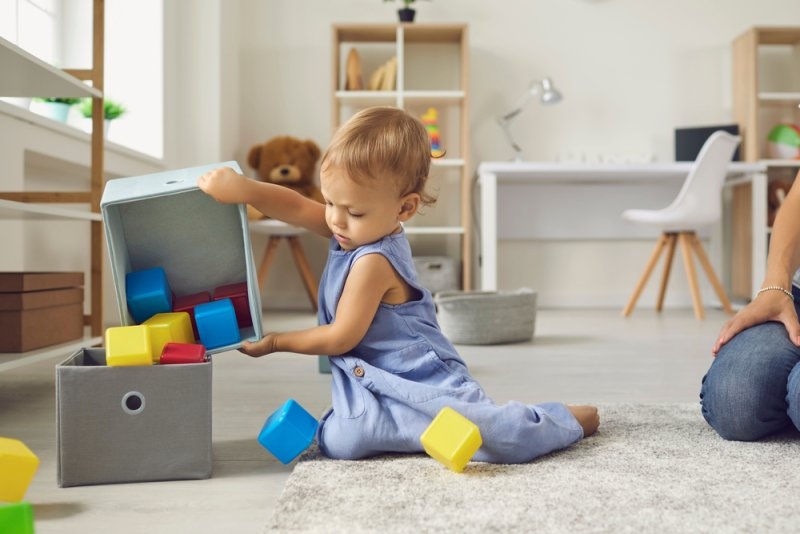
Understanding how to encourage independence in children at different ages ensures expectations match your child's developmental capabilities.
| Age Category | Suggested Independent Tasks | Key Parent Guidance Focus |
| Toddlers (Ages 2 to 3) | Putting away toys, choosing between two outfits, washing hands | Focus on patience and accept minor messes as natural learning. |
| Preschoolers (Ages 4 to 5) | Dressing independently, clearing dinner plates, feeding pets | Establish consistent visual routine charts for morning tasks. |
| School-Age (Ages 6 to 9) | Packing school bags, completing homework, making simple snacks | Encourage problem-solving before stepping in with answers. |
| Tweens (Ages 10 to 12) | Managing personal schedules, doing laundry, preparing meals | Provide freedom while holding clear accountability lines |
Overcoming the Fear of Letting Go
Learning how parents can help children become more independent often requires working through our own parental anxieties.
Allowing children to experience natural consequences is essential for emotional growth. If a child forgets a lunchbox after reminders, facing that minor setback teaches accountability far better than a rescue delivery. Embracing small failures as learning opportunities helps build true resilience.
Must Try: How to Raise Confident Kids Without Being Overprotective?
Conclusion
Discovering how to raise independent children is a rewarding journey that prepares your child to navigate the real world with confidence, accountability, and strength. Throughout this article, we explored the core benefits of self-reliance, detailed step-by-step methods for teaching responsibility, examined age-appropriate task milestones, and reviewed ways parents can step back gracefully.
Fostering independence does not mean pulling away; it means stepping beside your child as an encouraging guide rather than doing everything for them. By establishing consistent routines, allowing natural consequences, and praising honest effort, you give your child the ultimate gift of self-belief.
Are you looking for proven strategies and nurturing resources to guide your family toward calmer, more empowering daily routines? Connect with our dedicated parenting community today to discover expert guides, practical toolkits, and supportive insights tailored for every stage of your parenting journey!
FAQs
What is the difference between independence and rebellion in children?
Independence is a child's healthy drive to manage personal tasks, make decisions, and think critically while respecting family boundaries. Rebellion, by contrast, is characterized by persistent defiance against reasonable rules. Encouraging constructive autonomy within clear, loving boundaries helps children satisfy their natural need for independence without engaging in rebellious behavior.
How can parents balance nurturing and encouraging independence?
Balancing nurturing care with independence involves offering emotional warmth while stepping back from physical or decision-making tasks your child can handle. Parents can offer empathetic support during frustration without taking over the activity, reassuring the child that they are loved while expressing full confidence in their ability to succeed.
What should you do if a child resists doing things independently?
When a child resists doing tasks independently, break the activity into smaller, less intimidating steps. Start by completing the first part together and asking the child to finish the final step. Offer positive encouragement for effort, avoid criticizing minor mistakes, and gradually increase their level of personal responsibility over time.
Can giving children too much independence too soon be harmful?
Yes, expecting children to handle responsibilities beyond their cognitive or emotional maturity level can cause stress and anxiety. Autonomy must match a child's age and developmental readiness. Providing age-appropriate choices within structured safety boundaries ensures children feel secure and supported while building confidence in their growing skills.
How does fostering independence help children transition to school?
Fostering independence prepares children for school by building self-care skills like managing personal items, following multi-step instructions, and using restrooms independently. Self-reliant children adapt faster to classroom environments, display higher academic confidence, and form healthy peer relationships because they feel capable of navigating new social settings on their own.
This content was created by AI


