Related Articles
Sensory Activities for Babies by Age That Actually Help

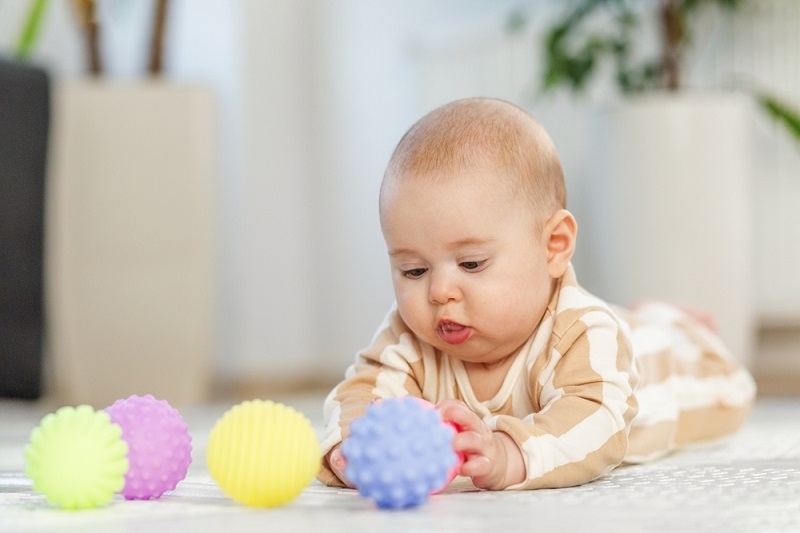
Sensory activities for babies are not a trend and they are not optional extras. They are part of how babies learn from the moment they are born. Babies do not learn by being taught. They learn by touching, hearing, moving, and reacting to the world around them.
When parents hear sensory play for babies, it often sounds complicated or messy. In reality, sensory play is already happening every day. The difference is learning how to use it intentionally, at the right stage, and without overstimulating your baby.
This article breaks down sensory activities by age so you know what actually helps and what is unnecessary.
What Is Sensory Play for Babies?
What is sensory play for babies? It is any activity that allows a baby to explore through their senses. That includes touch, sight, sound, movement, and balance.
When a baby squeezes fabric, watches water move, or listens to a parent’s voice, their brain is building connections. These early experiences support coordination, focus, emotional regulation, and language development later on.
Sensory play for babies does not need toys designed for sensory play. Everyday objects, routines, and interactions are often more effective because they feel familiar and safe.
Why Sensory Activities Matter So Much Early On
The first 18 months are when the brain grows fastest. Sensory activities for babies help organize how the brain processes information.
Consistent sensory input supports:
- Early brain development
- Muscle control and coordination
- Awareness of cause and effect
- Emotional comfort and security
- Attention and focus
Sensory play works because it meets babies where they are. There are no expectations, no instructions, and no pressure.
Suggested Read: Newborn Eye Discharge: What’s Normal And What Needs Help
Sensory Activities for Babies 0–3 Months
Baby sensory activities 0–3 months should be calm and predictable. Newborns are still adjusting to light, sound, and movement outside the womb.
At this stage, less is more.
Helpful baby sensory activities 0–3 months include:
- Tummy time on a soft surface with simple textures
- Black and white cards or books for visual contrast
- Gentle skin-to-skin contact
- Quiet talking and singing
- Light massage using baby-safe oil
These activities support early awareness without overwhelming the nervous system. Baby sensory activities 0–3 months should always be short and responsive to your baby’s cues.
Sensory Play for Babies 3–6 Months
Sensory play for babies 3–6 months becomes more hands-on. Babies begin reaching, grabbing, and bringing objects to their mouth.
This is when curiosity starts to show.
Simple sensory play for babies 3–6 months ideas:
- Mirror play during floor time
- Soft rattles and textured toys
- Sensory boards with fabric and silicone
- Shallow water play with full supervision
- Sealed paint bags taped to the floor
Sensory play for babies 3–6 months supports hand-eye coordination and early problem solving. Babies learn what happens when they move, grab, or shake something.
Sensory Activities for Babies 6–12 Months
Sensory activities for infants 6–12 months can be more exploratory. Babies are sitting, crawling, and starting to move independently.
At this stage, sensory play often combines more than one sense at a time.
Effective sensory activities for infants 6–12 months include:
- Sensory bins with oats, rice, or pasta
- Stacking cups and blocks
- Gelatin play for texture exploration
- Pouring water between cups
- Baskets filled with safe household items
Sensory activities for infants 6–12 months also support cause-and-effect learning. Babies repeat actions because they are starting to understand results.
Sensory Activities for Babies 12–18 Months
Sensory activities for babies 12–18 months support independence and movement. Toddlers want control over what they do and how they do it.
Activities at this stage should allow choice while staying safe.
Useful sensory activities for babies 12–18 months:
- Edible play dough made with simple ingredients
- Outdoor play on grass, sand, and pavement
- Finger painting with washable paint
- Water table play with cups and scoops
- Hide-and-find games using blankets or boxes
Sensory activities for babies 12–18 months also support language. Naming actions, textures, and colors during play helps toddlers connect words to experiences.
Explore More: Baby Cues Guide: How to Read Hunger and Sleep Signals
Sensory Play for Babies Does Not Need Extra Time
Many parents think sensory play requires planning. It does not.
Sensory play for babies already happens during:
- Bath time
- Feeding
- Diaper changes
- Getting dressed
- Floor play
Letting babies touch water, feel different fabrics, or hear your voice during daily routines counts as sensory play when done with attention.
The key is slowing down and letting your baby engage instead of rushing through the task. Pause for a moment and let them feel the water, grip the fabric, or watch your hands move. These small pauses give babies time to process what they are experiencing. That awareness is what turns everyday care into meaningful sensory play.
Safety Matters With Sensory Activities
Sensory activities for babies should always be safe and supervised.
Keep these basics in mind:
- Avoid small objects that could be swallowed
- Use non-toxic materials only
- Skip strong smells and loud sounds
- Watch your baby’s reactions closely
- Stop if your baby seems uncomfortable
Sensory activities should feel calm and predictable, especially for younger babies. If something feels too loud, messy, or chaotic, it probably is. Babies benefit more from slow, simple experiences than from constant stimulation. Paying attention to how your baby responds matters more than following any activity idea exactly.
Sensory play should help babies feel secure, not overwhelmed.
You may also like: New Parent’s Guide to Getting to Know Your Newborn
Final Thoughts
Sensory activities for babies are not about doing more. They are about doing what matters.
From baby sensory activities 0–3 months to sensory activities for babies 12–18 months, the goal stays the same. Give babies safe ways to experience their world at their own pace.
Sensory play for babies works best when it feels natural, calm, and part of everyday life.
FAQs
What is sensory play for babies?
What is sensory play for babies? It is play that helps babies learn through touch, sound, sight, movement, and interaction with their environment.
How often should I do sensory activities for babies?
Sensory activities for babies can happen every day through normal routines. Short and consistent experiences are enough.
Are sensory activities safe for infants?
Sensory activities for infants are safe when they are age-appropriate and supervised. Always avoid choking hazards and strong sensory input.
This content was created by AI


