Related Articles
Life Skills Activities for Kids That Build Real Confidence

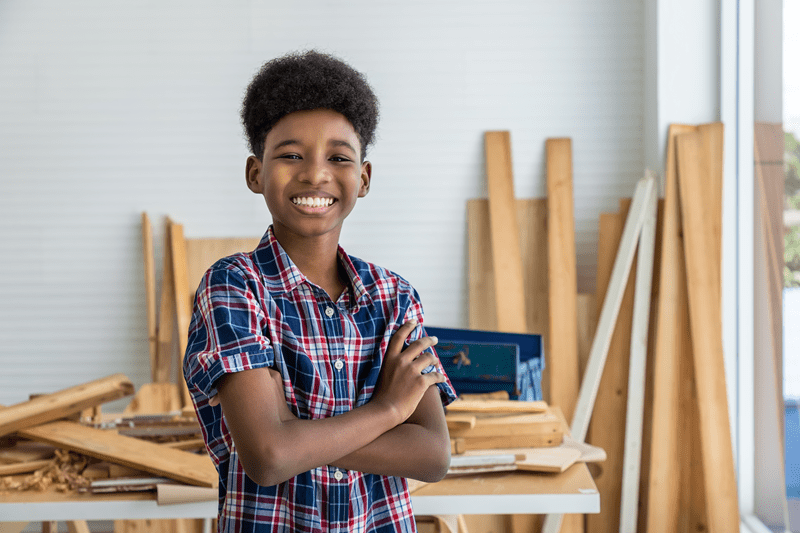
Life skills activities for kids play a huge role in handling daily life in a child’s growth. These activities are focused on basic habits, behavior, and simple thinking skills that children use every day.
In this blog, you will learn what are life skills and understand their importance for kids. This will also help you find out how skill-based life activities work and what skills are required that can support their children through daily actions.
Must Read: Real Talk on Gentle Parenting: Why It’s Hard but Worth It
Understanding the Importance of Life Skills Activities for Kids
Life skills activities help children understand how the real world works. These activities are not about tests or grades. They are about daily actions that slowly shape how children think, behave, and respond.
When children practice life skills early, they learn how to talk clearly, wait for turns, follow routines, and manage small responsibilities. These habits do not develop overnight because they grow with regular practice and gentle guidance.
Life skills help children reduce their confusion and stress. When children know what to do in simple situations, they feel safe and prepared. This makes them more open to learning and social interaction.
These activities can build a feeling of independence in kids slowly and steadily. This is because children begin to trust themselves when they try new and different tasks without fear. The confidence supports emotional balance and steady growth.
Top Life Skills Activities Suitable for Kids
Life skills activities work best when they are simple and familiar. They should feel like part of daily life and not a special lesson.
The following list includes the skills for life activities that children can practice naturally:
1. Daily Responsibility Tasks
Doing simple tasks like organizing toys or helping people with small tasks can teach responsibility. These are life skills activities that help children understand the effort and routine. Children learn that actions have meaning and purpose with time.
2. Communication Practice
Talking about daily events and feelings helps children express themselves. These activities support listening and speaking. Life skills activities like this help children share thoughts without fear or confusion.
3. Problem-Solving Games
Simple puzzles and challenges teach children to think in-depth with calmness. These life skills activities help children to try different solutions. However, it is essential for parents to understand that children are bound to make mistakes in this learning stage. You should make sure that your child understands that there is nothing to fear.
4. Self-Care Routines
Daily habits like washing hands or organizing items teach discipline. These skills for life activities help children feel confident about taking care of themselves.
5. Team-Based Activities
Group tasks teach patience and sharing. Life skills activities like these help children understand teamwork and respect others.
What are the Required Skills for Life Activities?
The required skills for life activities are listed in the following:
1. Communication Skills
Children can connect with other people better when they are able to speak clearly and listen to them. This skill supports understanding and reduces conflict in daily interactions.
2. Emotional Control
Recognizing feelings helps children respond calmly. Life skills for kids include learning how to pause and think before reacting.
3. Decision Making
Choosing between simple options can help kids build their confidence. It is a skill that teaches children to become more responsible and improve their awareness of the outcomes.
4. Time Awareness
Following routines helps children understand time. This is a life skill that can build balance in a child’s life between learning, play, and rest.
5. Adaptability
Handling small changes helps children stay calm. Skills for life activities often focus on flexibility and patience.
Top Pick: Helping Your Child Navigate Friendships: Social Skills
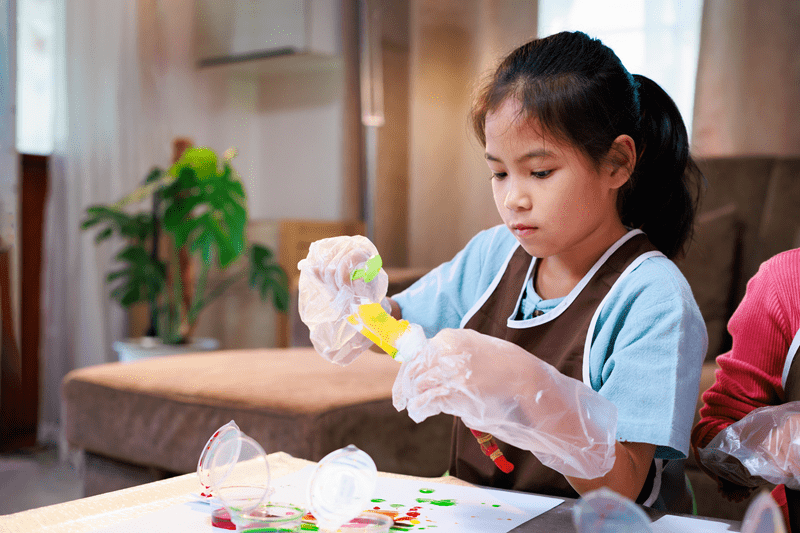
What is Skill Based Life Activities and their Impacts?
Skill-based life activities mean learning through action. Children learn best when they practice real tasks instead of only listening or watching.
1. Builds Confidence
Skill-based life activities help children trust their abilities. Completing tasks gives a sense of achievement and self-belief.
2. Improves Behavior
Children understand expectations better. Life skills activities guide children toward positive habits and respectful behavior.
3. Encourages Independence
Children begin managing tasks on their own. This impact helps children feel capable and prepared.
4. Supports Emotional Growth
Children learn how to manage feelings. Skill-based life activities reduce frustration and emotional confusion.
5. Strengthens Social Skills
Children practice cooperation and patience. These activities support clear communication and teamwork.
What are Life Skills?
Life skills can be explained as basic abilities that help people manage daily life smoothly. These skills guide how children think, act, and interact. Life skills include communication, self-care, emotional understanding, and simple decision-making. They help children respond to situations calmly. Life skills for kids develop through repetition. Small daily actions slowly shape behavior and confidence over time.
Necessary Life Skills for Kids That Parents Must Focus on Building
Life skills for kids grow best with consistent support. Parents play a key role by guiding children through everyday actions.
1. Self-Management
Children learn focus through routines. Life skills activities help children manage actions and emotions in daily life.
2. Social Interaction
Listening and respect build healthy relationships. These life skills help children connect with others naturally.
3. Responsibility
Small duties can teach accountability. Skills for life activities help children understand effort and commitment.
4. Emotional Awareness
Recognizing the feelings can build balance. Life skills help children to express emotions clearly and calmly.
5. Problem Handling
Facing small challenges builds strength. Skill-based life activities prepare children for real situations.
Conclusion
Life skills activities for kids support steady growth, confidence, and independence. These skills help children to manage their daily situations with ease. When these activities are practiced regularly, life skills prepare children to handle various real-life situations with calmness.
Frequently Asked Questions
1. What are life skills for kids?
You can refer to life skills for kids as the basic abilities that help children manage daily tasks and emotions better.
2. What is skill based life activities?
These activities help children focus on learning through real actions and practice.
3. Why are life skills activities important?
Life skills activities help children build confidence and emotional balance.
4. How can parents support life skills at home?
Parents can use routines, simple tasks, and clear communication daily.
5. What skills for life activities matter most?
Communication, self-care, decision-making, and emotional awareness are essential.
This content was created by AI


