Related Articles
Early Childhood Education And The Power Of Playful Learning

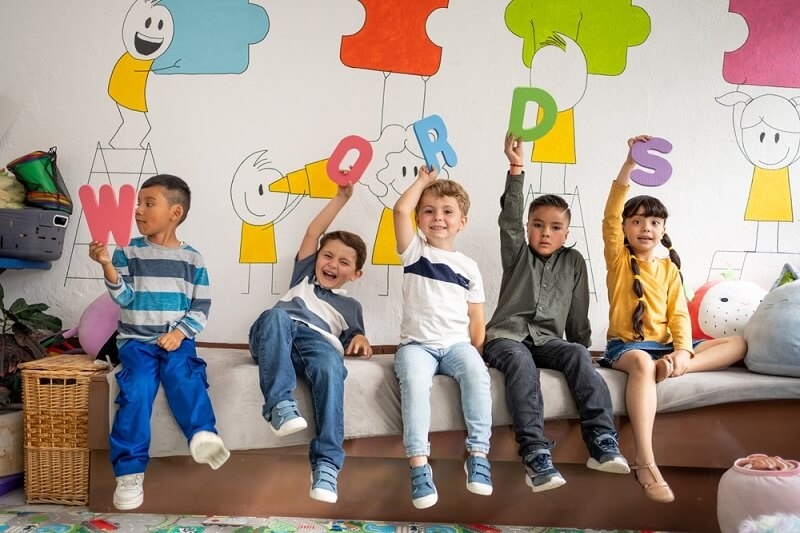
When people think about learning, they often picture desks, worksheets, and someone standing at the front of a room explaining things in a very serious voice. That image does not really fit young children. Not well, anyway. Little kids learn differently. They learn by touching, trying, repeating, pretending, asking odd questions, making small messes, and doing things in ways that look random until someone pays closer attention.
That is exactly why early childhood education works best when it leaves room for movement, curiosity, and joy.
Young children are not empty containers waiting to be filled with facts. They are active learners. They notice everything. They test everything. They want to know what happens if the block tower falls, if the paint colors mix, if the story changes, if the bug in the garden moves again. That energy matters. It is not a distraction from learning. It is learning.
And that is where play becomes such a big deal. Playful learning is not about letting children do whatever they want all day while adults stand nearby pretending chaos is a curriculum. It is more thoughtful than that. Much more. It gives children the space to explore while still building language, memory, coordination, confidence, and problem-solving skills in ways that actually fit their stage of development.
Why Early Childhood Education Should Never Feel Too Rigid
The early years shape a lot. Not everything, of course, but a lot. This is the period when children begin building social habits, emotional responses, communication skills, attention patterns, and their first ideas about what learning even feels like.
That last part matters more than people think. If learning feels stressful, overly controlled, or constantly focused on getting it right, children may start associating school with pressure instead of discovery. But when they are given meaningful, playful experiences, they often approach learning with much more openness. They become willing to try, willing to make mistakes, willing to ask. That is a strong foundation.
This is one reason playful learning matters so much in the first place. It keeps learning active and inviting. It lets children participate with their full attention, not just their ability to sit still. And honestly, expecting very young children to learn best through long, passive instruction has never made much sense.
Play Is Not Separate From Learning
Some adults still talk about play as if it is the reward children get after the real work is done. That idea misses the point completely.
For young children, play is one of the main ways they understand the world. It helps them test ideas, copy what they see, practice communication, and make sense of emotions they cannot fully explain yet. A child pretending to run a grocery store is not just being cute. That child may be using language, taking turns, sorting items, remembering routines, negotiating roles, and building confidence at the same time.
That is the real importance of play in learning. It combines skills instead of isolating them.
What Play Can Support
- A puzzle may support focus and patience.
- Building blocks may support spatial thinking.
- Pretend play may support language and social development.
- Art may support fine motor skills and self-expression.
It all counts. Sometimes in quiet ways. Sometimes in very obvious ways. But it counts.
Children Learn Better When They Feel Involved
Young children do not usually learn best when they are only told what to do and expected to repeat it on command. They learn better when they are engaged. When their hands are busy. When their minds are active. When the activity feels connected to something real or interesting.
That is why child development activities work so well when they invite participation instead of simple obedience.
Examples Of Engaging Child Development Activities
- Water play
- Sorting games
- Storytelling with props
- Role-play
- Singing
- Movement games
- Nature walks
These do not just entertain children. They pull them into the learning process.
And once children feel involved, their attention tends to stay stronger.
This is also why learning in the early years should not be built around constant correction. Young children need room to explore an idea from different angles. They need some freedom to be clumsy with it first. That is often how understanding starts.
Play Helps Social And Emotional Growth Too
Academic growth gets a lot of attention, but social and emotional development matters just as much in the early years. Maybe more in some cases. When children play together, they practice waiting, listening, negotiating, sharing, leading, following, and handling frustration. None of that is easy at first. Anyone who has watched two preschoolers argue over one toy knows that very well. Still, those little conflicts and interactions are part of the learning.
This is where learning through play becomes especially valuable. It gives children natural opportunities to experience emotions and relationships in real time. They learn that someone else may want a different role in the game. They learn that plans change. They learn that words matter. They learn that they can solve some problems with help instead of tears alone.
That emotional groundwork supports later learning in big ways. A child who can manage disappointment, ask for help, and stay engaged after a mistake is carrying important tools into every future classroom.
Playful Learning Builds Language Naturally
Children do not only build language through formal instruction. They build it through conversation, imitation, songs, storytelling, dramatic play, and repeated everyday interactions. Play creates a lot of those moments naturally.
A child building a pretend restaurant may use new words like menu, customer, spoon, and order. A child acting out a story may practice sequencing language. A child in a sensory activity may learn words for texture, color, size, and action. None of this feels like a language lesson in the traditional sense, but it absolutely supports language growth.
That is another reason playful learning belongs at the center of strong early education. It gives children a reason to use language, not just hear it. And when children use words in meaningful situations, they tend to remember them better. It feels less forced. More alive. More connected to actual thinking.
Check Out: Importance of Following a Childhood Immunization Schedule
Play Supports Confidence, Not Just Skill
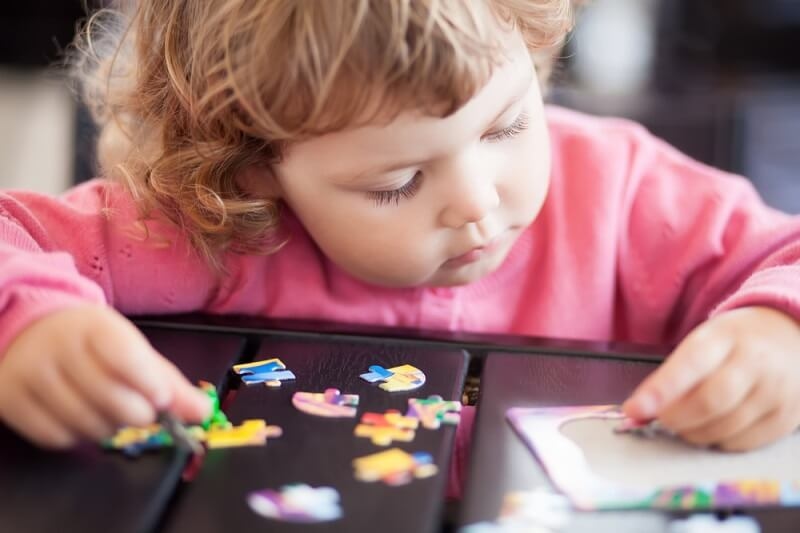
This part gets overlooked sometimes. When children are allowed to explore, create, and solve small problems on their own, they begin to trust themselves more. They start to feel capable. That feeling matters. A lot. Confidence does not appear out of nowhere. It grows when children experience small moments of success and realize, “I can do this,” or even, “I can figure this out.”
That is one of the biggest preschool education benefits people should pay attention to. Good preschool experiences are not only about letters, numbers, or routines. They are also about helping children feel secure enough to participate, try again, speak up, and recover from mistakes.
Play helps with that because it leaves room for experimentation. A child can try building something, fail, laugh, and try again without feeling like the whole moment has been ruined. That kind of freedom supports resilience in a very real way.
Not All Playful Learning Looks Loud Or Wild
Sometimes people hear the word play and imagine nonstop noise, running, and total disorder. That can happen, sure. But playful learning is not always loud.
Sometimes it looks like a child quietly sorting objects by color. Sometimes it looks like two children acting out a bedtime routine with dolls. Sometimes it looks like finger painting, gardening, matching games, or listening to a story and then retelling it with puppets. The energy can vary. The purpose stays.
Playful Learning Can Be
- Physical
- Creative
- Social
- Reflective
- Imaginative
- Exploratory
What matters is that the child is mentally present and actively involved.
That is why the importance of play in learning should not be reduced to letting kids burn energy. Playful learning can take many forms. There is a lot of range there. More than people often give it credit for.
Adults Still Matter In Playful Learning
Playful learning does not mean adults disappear from the process. Far from it. Teachers and caregivers play a huge role in shaping the environment, choosing materials, guiding interactions, asking useful questions, and noticing when a child is ready for more challenge or more support.
A thoughtful adult might extend a child’s block play by asking how to make the tower stronger. They might turn a pretend bakery game into a counting activity. They might help children name feelings during a disagreement. They might introduce books, songs, or materials that deepen the child’s interest.
This is where child development activities become especially effective. The best ones often feel playful to the child, but they are still carefully supported by adults who understand what skills are developing underneath the surface. It is not random. It is responsive.
Why Playful Learning Still Matters Today
There is sometimes pressure to make early education more academic, more measurable, more obviously productive. Parents worry. Schools compare. Everyone wants children to be ready. That pressure can lead adults to push formal instruction too hard, too early.
But children are not made stronger learners by stripping away play. If anything, they may lose some of the very conditions that help them learn best in the first place. That is why early childhood education should protect room for curiosity, movement, imagination, and discovery.
Young children need meaningful experiences, not just early pressure. They need to build skills in ways that match how their brains and bodies actually work. And yes, learning can still be purposeful while being joyful. Those things are not opposites.
Read More: Self-Esteem and Confidence in Children: A Guide for Parents
Conclusion: Playful Learning Creates A Stronger Start
At its best, early education helps children build far more than academic basics. It helps them become confident participants in the world around them. It teaches them to notice, question, create, connect, and keep trying. That is not small.
Play gives them a natural path into all of that.
It helps children think with their hands, speak with more confidence, handle emotions with more support, and develop stronger relationships with learning itself. That is what makes learning through play so powerful. It does not replace learning. It deepens it.
And really, that is the heart of it. When children are given the chance to learn in ways that feel active, meaningful, and human, education stops being something done to them. It becomes something they join. Happily, usually. Sometimes messily. But very much for real.
That is the kind of beginning worth protecting.
FAQs
1. Can Playful Learning Help Children Who Are Naturally Shy?
Yes, it often can. Play creates lower-pressure ways for shy children to join in, communicate, and build confidence without always being expected to speak or perform right away. Instead of being pushed into formal participation too early, they get to warm up through shared activities, pretend play, and hands-on experiences. Over time, that often helps them feel safer, more expressive, and more willing to engage with others.
2. Does Playful Learning Only Work In Preschool Classrooms?
Not at all. Playful learning can happen at home, in daycare settings, outdoors, in libraries, and even during ordinary daily routines. A child helping sort laundry, pretend cooking with a caregiver, or turning a walk into a scavenger hunt is still learning through play. The setting matters less than the experience. What matters most is that the child is engaged, curious, and actively involved in what they are doing.
3. How Can Parents Tell If Play Is Actually Helping Learning?
Parents can look for steady growth in language, attention, curiosity, coordination, problem-solving, and social interaction. A child who is asking more questions, trying new ideas, staying engaged longer, or becoming more confident with others is often learning a great deal through play. The progress may not always look formal, but it is still meaningful. In many cases, that kind of growth is exactly what strong early learning should look like.
This content was created by AI


