Related Articles
How Can You Teach Kids Responsibility on an Everyday Basis?

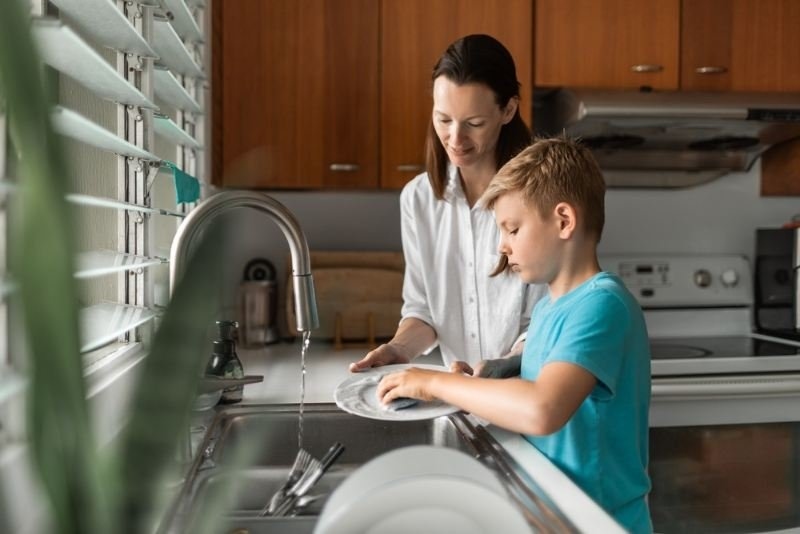
Quick Takeaway
- Teaching kids responsibility really starts with the simple stuff at home.
- Little, age-appropriate chores lay the foundation.
- Learning to do things for themselves breeds confidence and a sense of accomplishment. It’s more than just showing kids how to maintain a household; it teaches life skills.
- Providing consistent support encourages them to step out and face challenges.
- Start them young, and they’ll reap a future harvest of good judgment and strong emotions.
Teaching kids how to take on responsibility is not just an exercise in teaching basic politeness; it’s providing a blueprint for life. A kid learning to put his own toys away or pack his lunch will blossom into a capable and responsible adult, says the American Academy of Pediatrics (AAP). Giving kids tasks at the appropriate ages can improve decision-making skills and healthy emotional development. Kids, on the other hand, are not responsible until we give them room to do things. Every little win, even if it’s just helping set the table, lets kids know they can handle bigger things in the future.
This article walks you through why responsibility matters, how to teach kids responsibility, which jobs work for different ages, chores for kids, and real-world tips any parent can use to raise responsible kids without the stress.
Why is Responsibility Important for Children?
Responsibility is one of those life skills that changes everything. It teaches kids that their choices have consequences and that they’re part of a bigger picture, both at home and in the world.
Kids who practice responsibility regularly develop better organizational skills, greater confidence in kids, and greater resilience.
They learn to figure things out instead of waiting for adults to jump in and fix things for them. And at the end of the day, responsible kids turn into adults who handle whatever life throws at them.
Benefits of Teaching Responsibility
There are numerous benefits of teaching responsibility to kids, and here are the following:
Kids Feel Competent:
Every time your kid accomplishes a task, whether small or large, they feel, "I did it." From making the bed to doing homework, small victories help them build confidence and boldness as they take on larger tasks.
Kids Become Independent:
You will be amazed to see your kid tackle things on their own when you make responsible choices. From small decisions such as choosing an outfit to packing their lunch.
Children Develop Their Problem-Solving Skills:
It allows children to figure things out on their own instead of rushing in to save the day every time there's a struggle. In a safe and supportive environment, children can take risks, make mistakes, and solve problems. These experiences build resilience in children when faced with life challenges.
How to Teach Children to Be Responsible?
Learning to be responsible is less about dictating and enforcing harsh commands and more about fostering effective behaviors through consistent expectations.
Begin Small
Pair a child’s responsibilities with age and ability. Even tiny kids can toss trash, put toys in bins, or help feed a pet. As they get older, you can hand over bigger jobs.
Stick With Routines
Kids love knowing what comes next. Morning and bedtime routines—like packing a bag or setting out school clothes—make responsibility just part of the day instead of a big drama.
Let Real Life Be the Teacher
Resist the urge to always bail your kids out. If they forget their favorite stuffed animal, the world won’t end—but they’ll probably remember next time. Real experience teaches way faster than a lecture.
Chores for Kids While Learning Responsibility
Giving kids actual jobs makes them feel like they matter, and they’re more likely to pitch in if they know what’s expected.
| Age Group | Age-Appropriate Chores |
| Ages 2–4 | Put Away Toys, Toss Trash, Help Feed Pets |
| Ages 5–7 | Make the Bed, Set the Table, Water Plants |
| Ages 8–10 | Pack School Bag, Fold Laundry, Sweep Floors |
| Ages 11–13 | Make Simple Meals, Wash Dishes, Organize Their Room |
| Ages 14+ | Cook Dinner, Do Their Laundry, Babysit Younger Siblings (if it's Safe and You Agree) |
The point isn’t to have a spotless house. It’s to help kids see how responsibility grows as they do.
Real-Life Tips to Raise Responsible Kids
A parent can choose various real-life tips for raising responsible kids, like the following:
Let Them Choose
Giving kids a choice—“Do you want to feed the dog before or after dinner?”—lets them feel in control. They’re more likely to help if you ask rather than order.
Celebrate Their Effort
Don’t expect every job to be perfect. Notice the effort: “I see you really tried organizing your backpack.” This matters way more than always pointing out what’s wrong.
Model What You Want
Kids are always watching. If you keep promises, own up to mistakes, and do your own jobs without complaining, your kids pick up those habits naturally.
Mistakes Most Parents Make
For raising responsible kids, parents have to be extra cautious. Here is the list of things a parent should avoid while making their kids responsible:
Doing It All for Them
It’s tempting, especially when you’re in a rush, to just do the job yourself. But stepping back—at least sometimes—lets kids practice and grow.
Expecting Perfection
No kid gets everything exactly right. Focus on what they did try, not what’s missing. Too much nitpicking and they’ll stop trying.
Being All Over the Place
If chores are random, kids won’t take them seriously. Consistency helps make responsibility a habit, not just a chore.
Handing Out Rewards for Everything
A prize now and then is fine, but you want your child to help out because it’s part of being in the family—not because they’re waiting for a sticker or a treat. Feeling trusted is its own reward.
How Does Responsibility Build Lifelong Skills?
Responsibility for children goes way beyond chores. It teaches kids time management, problem-solving, and good decision-making skills. All of the necessary building blocks in order to succeed in life and in school, as well as in work with their colleagues and peers.
Seeing their actions impact the world around them allows the kids to truly take ownership of them. That leads to real kids' independence and the resilience to keep going when mistakes happen. Over time, these little life lessons turn into full-grown confidence and maturity.
Daily Habits That Make Life Skills for Children
It doesn’t take a parenting overhaul to build responsibility. Small, regular habits pack the biggest punch.
- Let kids pack their own school bag
- Teach kids responsibility to make a simple snack (with help)
- Have a chore chart that everyone uses
- Ask them to walk the dog or water the plants
- Get them involved in meal planning or the grocery list
- Encourage tidying up their study space each night
These routines help responsibility for children feel like second nature and give your kids life skills they’ll use everywhere.
Wrapping Up
You don’t need fancy charts or military-style discipline to raise responsible kids. What matters most is that you stick with the basics: routine, encouragement, and chances to pitch in. Every little job that teaches kids responsibility by making the bed, feeding a dog, or remembering homework builds up confidence, along with kids' independence and resilience.
Responsibility isn’t something you teach all at once. It’s made up of hundreds of small experiences, plenty of patience, and honestly, a lot of cheering them on. The habits and attitudes kids practice now become the tools they depend on as they grow up—helping them make sound decisions and handle life’s curveballs.
Help Your Child Grow, One Step at a Time
Every child can become responsible, independent, and resilient if you start small and stick with it. Give your child a simple job today, celebrate their progress, and stay the course. The routines you set up now will shape who they become for years to come.
Frequently Asked Questions
How Does Responsibility Help Kids Feel Better About Themselves?
When kids get things done on their own, they realize they’re capable. Every time they handle a task or fix a mistake, they grow a bit more confident. All those little wins add up, building self-esteem and the courage to face new challenges solo.
Do Siblings Need the Same Chores?
Not really. What’s fair is giving each child responsibilities that fit their age and ability. The older one might handle cooking, while the younger one waters plants. It’s less about everyone doing exactly the same thing and more about matching the job to the kid.
Can Kids Learn Responsibility Through Play?
Definitely. Whether they’re playing house, helping in the garden, or planning a pretend restaurant, kids pick up responsibility when play involves following rules, caring for supplies, and working as a team. When it’s fun, responsibility doesn’t feel like a chore—it just comes naturally.
This content was created by AI


