Related Articles
Micro Preemies Care, Causes, Complications and Development

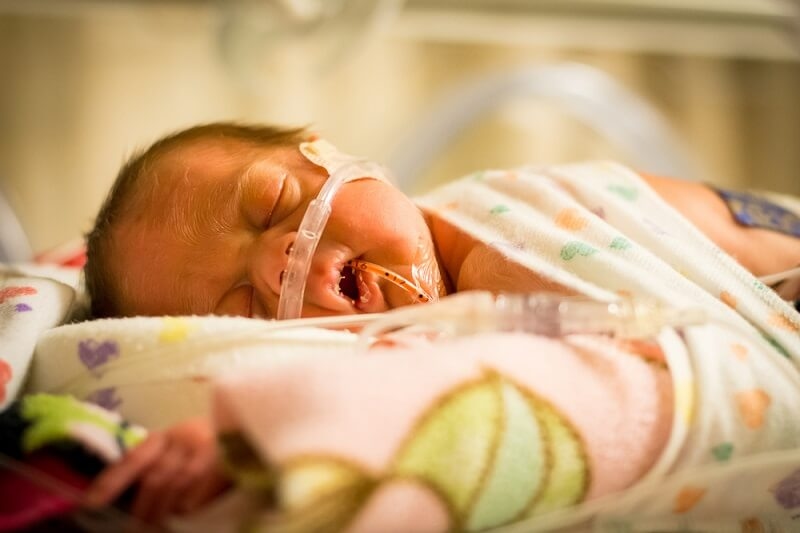
When a baby arrives much earlier than expected, parents step into a world filled with uncertainty, medical terms and hope. Micro preemies are extremely small newborns, usually born before 26 weeks and weighing under 800 grams. They look fragile, they often need machines to breathe and feed, and their first home is usually the NICU. If you want clear information about micro preemies, the causes of micro preemies, common health issues in micro preemies, micro preemies complications, caring for micro preemies at home and how micro preemies development progresses over time, this guide will help you understand everything step by step.
Micro preemies need more support than regular preemies since their brain, lungs and digestive system are not yet ready for life outside the uterus. Each day inside the womb matters and medical teams try to prolong pregnancy when safe. Even though the journey can be emotionally heavy, many micro preemies grow into healthy children with proper care.
Causes of Micro Preemies
Many parents ask why micro preemies are born early. The truth is that sometimes the causes of micro preemies are known and sometimes they remain unexplained. Still, doctors have identified several risk factors linked to early delivery.
The most common causes of micro preemies include
- Maternal health issues like high blood pressure, diabetes and infections
- Multiple pregnancies such as twins or triplets
- Placental complications or weak cervix
- Early water breaking or uterine abnormalities
- Smoking, stress, poor prenatal care or certain medications
- Previous preterm birth
Think of it like baking. If a cake is taken out before it has risen properly, it will be soft and fragile. In the same way, babies born early are still developing and need support after birth. This example makes the causes of micro preemies easy to relate to. Awareness and prenatal care play a huge role in preventing premature labor whenever possible.
The causes of micro preemies are not always controllable which is why routine checkups matter so doctors can monitor any warning signs early.
Don’t Miss: Baby Cues Guide: How to Read Hunger and Sleep Signals
Micro Preemies Complications and Medical Challenges
Because micro preemies arrive before their organs mature, they face a higher risk of medical issues. The term micro preemies complications covers both short term and long term concerns. Understanding these challenges helps parents stay informed during the NICU phase.
Common short term micro preemies complications
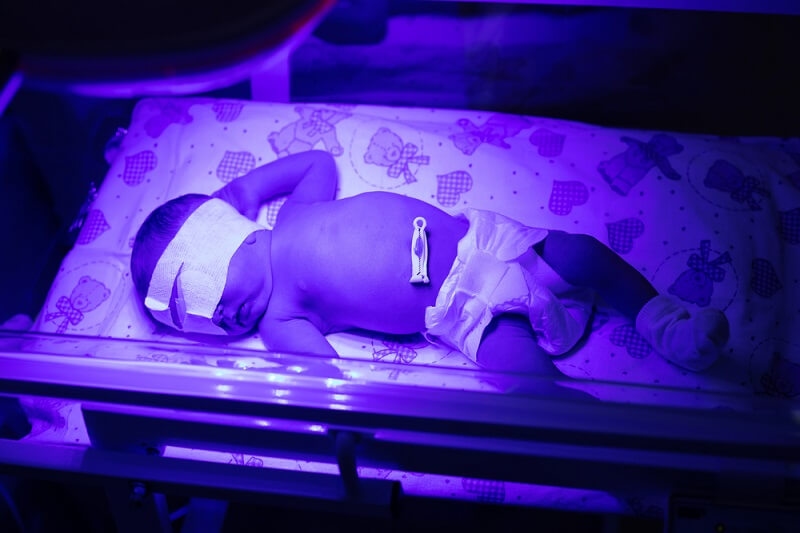
- Respiratory Distress Syndrome
- Brain bleeds (IVH)
- Necrotizing enterocolitis
- Patent ductus arteriosus
- Infections and sepsis
- Retinopathy of prematurity affecting vision
These micro preemies complications are monitored closely in NICU settings. Babies may need breathing support like CPAP or ventilators, feeding tubes and medications to stabilize vital functions. NICU nurses and neonatologists guide parents through each step because they know how overwhelming this phase can feel.
Common health issues in micro preemies later in life
Not all babies face permanent issues, but some common health issues in micro preemies appear as they grow. The most reported include:
- Chronic lung problems
- Learning or developmental delays
- Vision or hearing challenges
- Feeding or digestion issues
- Weak immunity
These common health issues in micro preemies may require therapy or medical support over time. Early intervention programs help babies improve muscle tone, speech and learning skills. Many kids born as micro preemies attend school normally later on.
To make it simple, think of these issues like a small car engine. It can run well but may need regular servicing to stay strong. Micro preemies just need more monitoring and support.
Caring for Micro Preemies at Home
Leaving the NICU is one of the biggest milestones. The real journey starts when parents step into daily caregiving. Caring for micro preemies at home requires patience and awareness.
Practical tips for caring for micro preemies at home
- Feeding carefully: Micro preemies often need small and slow feeds. Breast milk is ideal for growth and immunity. Some babies require fortifiers or specialized formulas. Feeding is a major part of caring for micro preemies at home because weight gain is the goal.
- Scheduled follow ups: Regular checkups track weight, lungs, heart, hearing, eyesight and physical development. Missing appointments can delay progress.
- Hygiene and infection control: Crowded places and visitors should be limited. Clean hands and sanitized surfaces are key in caring for micro preemies at home.
- Skin to skin care: Kangaroo care supports emotional bonding, improves breathing, and keeps the baby calm.
- Watch for warning signs: Apnea, fever, feeding refusal or color changes need attention. This awareness is part of safe caring for micro preemies at home.
Parents learn their baby's rhythm over time. The more confident you become, the smoother daily care gets.
Also check: New Parent’s Guide to Getting to Know Your Newborn
Micro Preemies Development Over Time
Now the most emotional part, micro preemies development. These babies do not follow regular milestone charts. Instead, doctors use corrected age which counts development from the original due date. This provides a fair tracking scale.
Micro preemies development usually looks like this
- Early months focus on breathing and feeding
- Weight and immunity gradually improve
- Motor development starts with neck control
- Rolling, sitting and crawling come later
- Speech and social cues develop gradually
Do not compare your baby to others. Micro preemies development works on an individual timeline. With therapies and stimulation, many children catch up by age two or three. Celebrate every small step because each improvement means progress.
Use simple activities like gentle tummy time, singing, talking, soft rattles, colorful books and skin contact to encourage micro preemies development. Babies learn most through interaction and consistency.
Final Thoughts
Micro preemies teach families patience, strength and hope. They begin life with wires, tubes and medical terms nobody expects to learn. Yet with neonatal care, parental involvement and consistent follow ups, survival and growth outcomes continue to improve. Understanding micro preemies, knowing the causes of micro preemies, the common health issues in micro preemies, micro preemies complications, caring for micro preemies at home and how micro preemies development works gives parents clarity instead of fear.
Every baby is different but progress is possible. With love, medical support and time, micro preemies often grow into active, happy children. Your journey may be slow, but it is also powerful. You are raising a fighter.
FAQs on Micro Preemies
A few quick answers to questions parents usually have.
Do micro preemies catch up in development?
Many do, but it depends on early complications and ongoing support. With therapy, nutrition and regular checkups, some catch up by age two or three while others take longer, and both outcomes are normal.
How long do micro preemies stay in the NICU?
Most stay until they can breathe on their own, maintain body temperature, gain weight steadily and feed without support. This often means weeks or months depending on how early they were born.
Can I hold my micro preemie safely?
Yes when doctors allow it. Skin to skin or kangaroo care is one of the best ways to bond, calm the baby and support growth, but it should always be done under medical guidance in the beginning.
This content was created by AI


