Related Articles
How to Spot and Treat Dehydration in Infants Early?

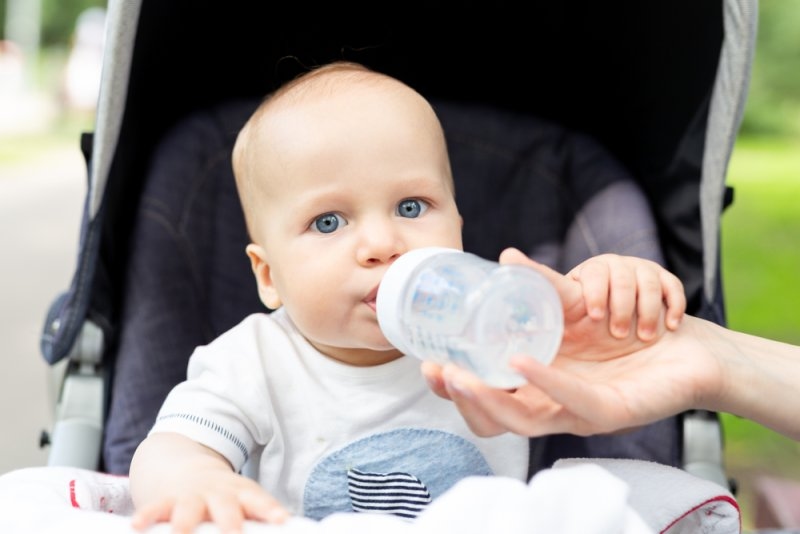
Quick Takeaways
- Early detection of infant fluid loss prevents severe health complications.
- Sunken fontanelles and fewer wet diapers are primary warning indicators.
- Hydration strategies must align strictly with your baby's specific age.
- Changes in stool consistency provide vital clues about infant fluid levels.
- Immediate medical evaluation is required if lethargy or high fever occurs.
Every parent knows the quiet panic that strikes when a baby seems off. You touch their forehead, check their diaper for the third time in an hour, and wonder if that unusual fussiness means something more serious.
Infant bodies are small, delicate, and surprisingly fragile. When a tiny human gets sick, fluid loss happens much faster than most first-time parents realize. According to clinical data from the World Health Organization (WHO), acute gastroenteritis and subsequent fluid loss account for millions of pediatric visits globally each year. Recognizing early signs of dehydration in infants can make the absolute difference between a quick recovery at home and an emergency room visit.
Seeing your little one unwell can feel overwhelming, but you are not alone in this journey. Understanding how fluid balance works in young bodies gives you the confidence to take gentle, effective action. In this article, we will cover the core triggers of fluid loss, home care protocols, key visual symptoms, signs of dehydration in baby poop, how to treat dehydration in babies at home, age-specific hydration guidance, what causes dehydration in babies, and critical warning signs that mean it is time to call your pediatrician immediately.
What is Dehydration in Infants?
Dehydration in infants occurs when a baby loses more total fluid and essential electrolytes than they take in through normal feedings. Because an infant's body composition consists of approximately 75% water, even minor fluid deficits disrupt normal cellular function, body temperature regulation, and blood circulation rapidly.
Unlike adults, babies cannot communicate thirst verbally or grab a cup of water on their own, making them highly vulnerable to sudden metabolic stress when illness strikes.
What Causes Dehydration in Babies?
Infants have a much higher surface area to volume ratio than adults. This structural difference means they lose fluids at an accelerated rate through sweat, breathing, and elimination. Understanding what causes dehydration in babies helps parents anticipate problems before mild symptoms turn severe.
1. Fever and Excessive Sweating
When a baby runs a fever, their body uses extra fluid to regulate internal temperature. Sweating accelerates fluid loss through the skin. If milk intake drops during a fever, hydration levels drop rapidly.
2. Vomiting and Severe Diarrhea
Stomach bugs are notorious for draining a baby's fluid reserves. Severe diarrhea rapidly strips the intestine of essential salts, water, and electrolytes needed for organ function.
3. Reduced Fluid Intake from Sore Throat or Teething
Teething pain or an inflamed throat makes swallowing uncomfortable. Babies often refuse breast milk or formula when their mouth hurts, leading directly to fluid deficits within 12 to 24 hours.
Try This: Is Sneezing Normal or a Concern for Your Baby?
What are the Signs of Dehydration in Baby Poop and Body?
Catching fluid loss early requires paying close attention to daily physical patterns, diaper output, and behavioral shifts.
Changes in Diaper Output and Stool Consistency
Fewer than six wet diapers in a 24-hour period is a major warning sign. Parents should also monitor signs of dehydration in baby poop. Dehydrated stool often appears small, hard, dry, or unusually dark.
Conversely, watery diarrhea that leaks through diapers signals rapid fluid depletion. Mucus-lined or hard, clay-like pellets are two additional stool signs that point toward severe intestinal fluid imbalance.
Physical Warning Indicators
Look closely at your baby's head and skin. A sunken soft spot (fontanelle) on top of the head indicates significant fluid reduction. Dry lips, a parched mouth, lack of tears during crying, and loss of skin elasticity are key indicators of baby dehydration.
Two additional physical body signs to look out for are cool, mottled hands and feet, alongside abnormally rapid or shallow breathing patterns.
Must Try: Understanding Infant Gas Symptoms, Causes, and Remedies
How to Treat Dehydration in Infants Safely?
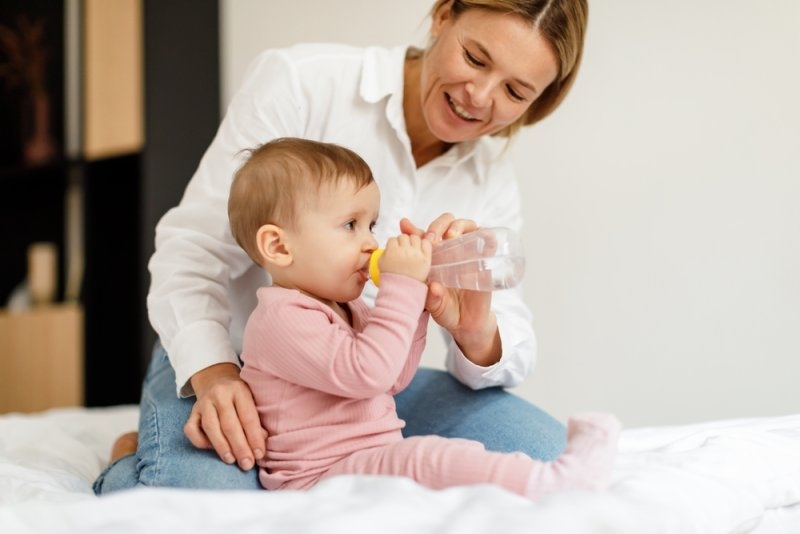
Treatment depends heavily on the severity of fluid loss and the underlying trigger. Gentle, frequent administration of fluids is always superior to large single feedings.
1. Assess the Severity and Contact Your Pediatrician
A crucial first safety step is to check for red flag symptoms like lethargy or deep fontanelles and get professional guidance before introducing any new fluid solutions.
2. Offer Frequent, Small Feedings
Prevents stomach upset and gives small amounts of breast milk or formula every 15 to 30 minutes rather than forcing full bottles, allowing gentle absorption.
3. Administer Pediatric Oral Rehydration Solution (ORS)
If recommended by your doctor, use a teaspoon or syringe to give small, measured sips of ORS to restore lost electrolytes without overwhelming their digestive tract.
4. Monitor Diaper Output and Behavior Continually
Track recovery progress. Keep a written log of wet diapers, stool appearance, and temperature shifts over the next 12 to 24 hours to track improvement.
How to Treat Dehydration in Babies at Home?
For mild cases, continue frequent breast or formula feedings. Never dilute formula with extra water, as this alters critical sodium balances. If recommended by your pediatrician, an Oral Rehydration Solution (ORS) can help replenish lost electrolytes safely.
6-Month Baby Dehydration Treatment Guidelines
Parents often ask about 6-month baby dehydration treatment options because this age marks the transition to solid foods.
At six months, you may introduce small sips of water or pediatric ORS alongside regular milk feedings under medical supervision. Avoid juice, sugary drinks, or plain water in large quantities.
When to Seek Immediate Emergency Medical Care?
Home care is suitable for mild fluid loss, but moderate to severe cases require immediate pediatric evaluation.
- Extreme lethargy, unusual drowsiness, or unresponsiveness
- Sunken eyes and a noticeably deep fontanelle
- No wet diapers for over eight hours
- Cold, blotchy hands and feet
- Persistent vomiting preventing any fluid retention
Conclusion
Protecting your baby from fluid loss comes down to early awareness, prompt observation, and calm action. Throughout this guide, we explored the primary causes of fluid loss, key physical symptoms like diaper output shifts, safe home management techniques, and clear signals that warrant immediate medical attention.
Parenting brings endless choices and occasional anxieties, but equipping yourself with accurate clinical knowledge lets you respond with confidence. Trust your parental instincts when something feels off with your little one. Taking small, proactive steps today ensures your baby stays healthy, comfortable, and well nourished through every stage of development. If you want more expert guidance, practical tools, and evidence-based parenting resources, explore our comprehensive guides to nurture your growing family with ease.
Frequently Asked Questions
How Does Dehydration Affect an Infant's Sleep Pattern?
Dehydration often causes noticeable changes in infant sleep behaviors. Mild fluid loss can make a baby unusually restless, irritable, and unable to settle comfortably. As dehydration progresses from moderate to severe, the baby may become excessively lethargic, sleeping through normal feeding times and proving extremely difficult to wake for nourishment.
Can Breastfed Babies Get Dehydrated in Warm Weather?
Yes, breastfed babies can experience fluid loss in warm weather if feeding frequency is not increased. Breast milk contains all the water and balance an infant needs, even in heat. However, nursing mothers must nurse more frequently on hot days and stay properly hydrated themselves to maintain adequate milk production levels.
What Role Do Electrolytes Play in Baby Hydration?
Electrolytes like sodium, potassium, and chloride maintain liquid balance and nerve function in an infant's body. When a baby loses fluids through vomiting or diarrhea, key electrolytes are lost along with water. Restoring electrolyte balance through breast milk or pediatric oral rehydration solutions prevents dangerous cellular imbalances in young infants.
Is Plain Water Safe for Dehydrated Infants Under Six Months?
Plain water is generally not safe for infants under six months old, even when dehydrated. Giving plain water to young babies can cause oral fluid overload, dilute blood sodium levels, and lead to serious neurological complications. Always rely on breast milk, infant formula, or pediatrician-approved electrolyte solutions for hydration.
How Fast Can an Infant Become Severely Dehydrated?
An infant can transition from mild fluid loss to severe dehydration in as little as 12 to 24 hours. Because an infant's body weight consists mostly of water and their metabolic rate is exceptionally high, fluid losses from fever, vomiting, or diarrhea impact them far faster than older children.
This content was created by AI


