Related Articles
Is Newborn Sneezing Normal or a Cause for Concern?

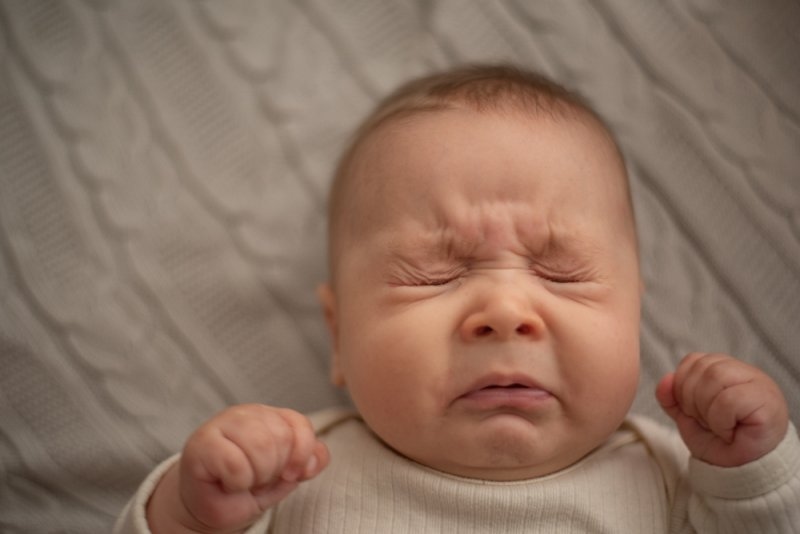
You may be in for a surprise when your newborn begins sneezing. Observing your baby sneeze quite often throughout the day can prompt questions of, “Why does my newborn sneeze so much?” Fortunately, sneezing is typically nothing to worry about.
Tiny baby noses easily trap dust particles, little splotches of milk, lint, and other airborne particles.
Sneezing is simply a way to clear the air. New babies are adapting to their new environment in the first couple of weeks, and many sneeze often in response. Knowing how to distinguish typical newborn behaviors from those that require medical intervention can make your parenting experience more relaxed. In this article, we will explore some causes of baby sneezing, newborn health, when to seek professional help, what the infant's cold symptoms are, and a couple of newborn care tips and tricks on how you can improve your baby's health.
Why is My Newborn Sneezing?
If you have found yourself asking the question, “Why is my newborn sneezing? " you are not alone. This is a common concern for new parents. Since newborns do not have as developed nasal passages as adults, they tend to be more susceptible to dust particles, lint from blankets or clothing, milk after feedings, or dried secretions clogging their tiny noses.
Sneezing helps clear the airway, allowing them to breathe more easily.
The normal act of sneezing does not signify a problem with an infant as long as other indicators aren't Present.
Must Try: Signs, Causes, Treatment and Care Tips for Fever in Babies
Common Causes for Newborn Sneezing
Small nasal Passageways
A newborn's nasal pathways are extremely narrow when compared to adult counterparts. Even minor irritations in the baby's nose can obstruct the normal flow of air.
Adjusting to New Surroundings
Once born, the baby is immediately exposed to environmental elements to which they were not exposed in the womb. Some common triggers include scents, dust, and changing temperatures, which often cause new babies to sneeze as their bodies adapt to these changes.
Residual Fluids
Some babies tend to spit up residual fluids after feedings, which can make their way into their noses. This process is normal and resolves on its own.
How often Should Newborns Sneeze?
It is considered normal for healthy newborns to sneeze multiple times a day. The newborn's sneezing a lot is typically fine if the baby is also
- Eating well
- Slept peacefully
- Breathed comfortably
- Continues to have numerous wet diapers
- Remains active while awake
If you're observing these things, it is rare that a baby simply sneezing is cause for alarm.
When Might Newborns' Sneezing Point Towards Sickness?
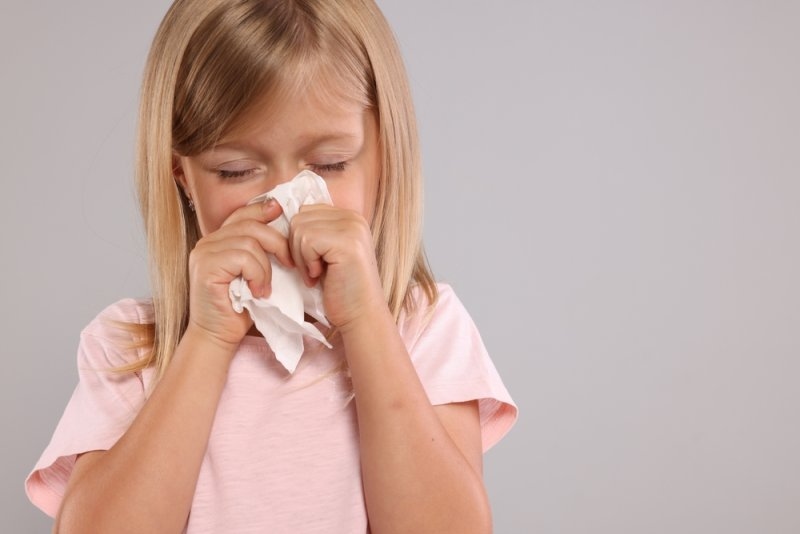
Occasionally, sneezing can occur alongside various ailments. Keep a watch for Sneezing and
- Fever
- Persistent coughing
- Trouble breathing
- Lessened feeding
- Odd sleepiness
- Yellow or thick green nasal secretions.
These can be signs that your baby has a cold or another respiratory infection. If a newborn under three months of age develops a fever, consult a medical professional immediately.
How Can You Help a Sneezing Newborn?
Most babies do not need special attention if they are sneezing infrequently. Your goal should be comfort.
Keep the Air Clean
Try to prevent contact with cigarette smoke, harsh fragrances, and dust as much as possible.
Saline Droplets
If needed, if a child’s nose appears congested, baby saline droplets may help loosen secretions prior to gentle suctioning.
Regulate Indoor Conditions
A very dry atmosphere can aggravate a baby's airways and can make an infant's breathing even tougher. Consider buying a cold-mist humidifier to create a soothing indoor environment.
Avoid overheating
Too much warmth might lead to the baby being uncomfortable, so dress the baby with an appropriate quantity of clothes as per the indoor conditions
Simple Guidelines for a Healthier Newborn Air Passage
Healthy habits can help ensure your baby maintains their general well-being:
- Ensure your hands are clean before holding your baby.
- Limit your child's contact with those who are unwell.
- Maintain cleanliness in the baby’s resting space.
- Support the immune system by feeding the baby breast milk or Formula.
- Go to the pediatrician regularly.
- Stay up to date on your baby’s vaccines.
Try This: Top 10 Natural Cold Remedies for Babies You Should Know
When Should You Contact a Doctor?
Most of the time, sneezing in a baby is harmless. Trust your instincts as a mother and contact a pediatrician immediately if your newborn has any of the following:
- A fever of at least 100.4°F (38°C)
- Signs of difficulty with respiration
- Refuses multiple feedings
- Fewer wet diapers than expected
- Is it much too sleepy, or is it tough to awaken
- Congestion is worsening.
Getting medical care quickly can help identify potential problems early, giving you peace of mind.
Conclusion
Sneezing in infants is typically normal behavior rather than an indicator of illness; it's a natural part of a newborn's development and not something to worry about. Tiny nasal passageways are responsible for most of the baby's sneezes. Sneezing may help to remove dust, lint, and other things a child’s nose might find irritating.
However, if the sneezing comes with fever, trouble breathing, and other unusual symptoms, it may be best to check in with a health professional. Parenting involves constant worry about tiny changes, but a more aware parent becomes much more assured in recognizing what needs to be addressed. For more info on a child's well-being, be sure to check out drgptmd.com as well.
Frequently Asked Questions
Is Infant Sneezing Caused By Allergies?
Baby allergies are rarely seen in newborns, as their immune systems have yet to fully develop and they have little exposure to environmental allergens. It is true that a child's nose may be irritated by airborne irritants such as dust or strong scents, yet sneezing does not necessarily result from allergies. If symptoms persist or worsen, seek a pediatrician's help.
Is the Daily Usage of Baby Nasal Aspiration Safe?
A baby nasal aspirator may be useful if the baby appears congested, and it can be used without being over the top to avoid irritating the baby's fragile inner nasal surfaces. If a baby’s blockage becomes chronic or extreme, consult your child's doctor to find out how much to use it.
Does Sneezing Mean My Child Has a Weak Immune System?
No. Sneezing is actually a protective mechanism; it cleans dust, mucus, and other things from your infant’s nasal cavity. Frequent baby sneezing a lot usually does not indicate a weak immune system; a healthy baby is active and has excellent respiratory function.
This content was created by AI


