Related Articles
What Causes Stridor in Babies and When Is It Serious

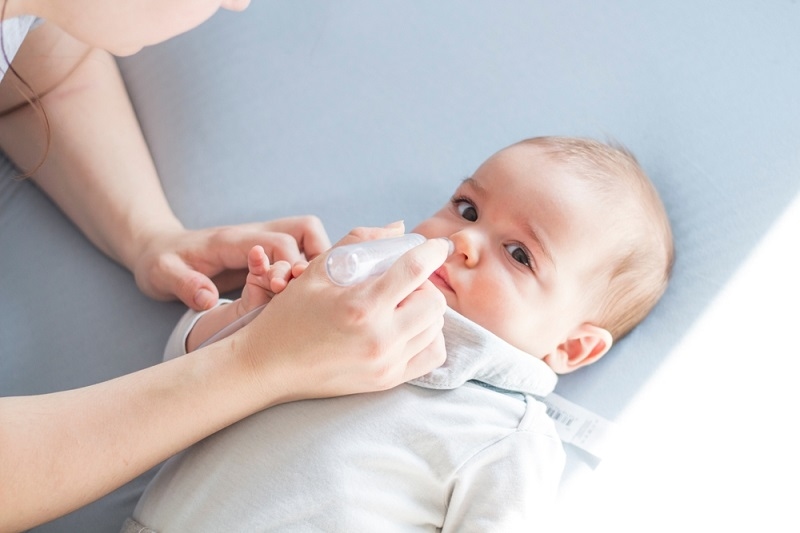
You are rocking your newborn at 2 a.m. when you catch it: a faint but unmistakable squeaky sound with each breath. It does not sound like the little snuffles most babies make. This one has a raspy, strained quality that stops you cold.
That sound has a name: stridor in babies. Parents hearing it for the first time naturally want to know what is behind it. Understanding the cause of stridor in infants, spotting the warning signs early, and knowing when to act can make a real difference in how quickly and calmly you respond.
What Is Stridor in Babies?
Noisy breathing in infants is common. Babies snort, gurgle, and wheeze through stuffy little noses constantly. Stridor is different. It is harsh and high-pitched, almost like a creak or a squeak, and it comes from the airway being partially narrowed somewhere between the throat and the windpipe.
Infant airways are much smaller than adult ones. Even modest narrowing creates a noticeable sound and can affect breathing more quickly than most parents expect.
Doctors pay attention to when the sound happens, because timing tells them where the problem sits:
- Heard only when breathing in: usually the throat or voice box
- Heard only when breathing out: suggests something deeper, toward the chest
- Heard on both inhale and exhale: often signals narrowing at the voice box level
Common Causes of Stridor in Infants
Laryngomalacia is the leading cause of stridor in infants, particularly in newborns. The tissue just above the vocal cords is softer than it should be and folds slightly into the airway with each inhale. Noisy breathing in infants with this condition tends to get louder during feeding, crying, or when the baby lies flat on their back. Around 90% of babies outgrow it by 18 to 24 months with no treatment needed.
- Croup is the most common reason stridor appears suddenly. The viral infection causes airway swelling, which leads to a unique barking cough that typically occurs at night. The majority of croup cases maintain mild symptoms that people can treat successfully at home.
- Vocal cord paralysis occurs because the nerves' signal that can't travel straight is disrupted-one or two of the vocal cords just max out, and the airway remains partly blocked. A weaker or unusual cry often accompanies this.
- Subglottic stenosis is an unusual narrowing below the vocal cords, sometimes only discovered after a cold makes it more apparent. Many children outgrow it without surgery.
- Foreign body aspiration is worth knowing about separately. When stridor appears out of nowhere while a baby or toddler is playing or eating, a swallowed object is the first thing to consider. If that is your situation, act right away.
- Epiglottitis is now rare in the US due to routine vaccination, but it is a genuine emergency when it occurs. Sudden severe stridor, high fever, and drooling together are the warning signs.
Explore More: Newborn Eye Discharge: What’s Normal And What Needs Help
Is Stridor Dangerous in Babies? Recognize These Red Flags
Is stridor dangerous in babies? With laryngomalacia in a thriving, well-fed baby, it usually is not immediately dangerous. But certain signs change that picture fast.
Call your pediatrician if the stridor is new, keeps coming back, or your baby struggles during feeds or is gaining weight slowly.
Call 911 right away if you notice:
- Skin that looks blue, gray, or pale around the lips or fingertips
- Visible skin pulling in at the neck or between the ribs with each breath
- Drooling with difficulty swallowing
- Stridor that appeared suddenly while your baby was playing with small objects
- A baby who is unusually limp, drowsy, or hard to rouse
A baby who seems calm in the moment can still deteriorate quickly when the airway is involved. Do not wait to see if things improve on their own.
Newborn Stridor While Feeding: What Parents Should Watch For
Newborn stridor while feeding is one of the most frequently described patterns in pediatric offices. A baby with a narrowed airway has to breathe and swallow at the same time, which puts real pressure on a system already working overtime.
Watch for long, exhausting feeds, frequent pausing to catch breath, regular choking or gagging, and slow weight gain alongside the stridor. Any of those combinations together warrants a prompt call to your pediatrician, not a wait-and-see approach.
Keeping a simple log of when stridor occurs, how long it lasts, and whether position changes help gives your doctor useful context fast.
Diagnosis and Treatment for Stridor in Babies
A pediatrician starts with a thorough history and physical exam. The doctors will ask about the start time of stridor and its pattern of occurrence, and they will inquire about the factors that improve or worsen the condition. A pulse oximeter checks blood oxygen quickly and painlessly. When more clarity is needed, a thin flexible camera guided gently through the nose gives a direct view of the airway.
Treatment for stridor in babies follows the cause directly.
- For laryngomalacia, watchful waiting is the standard first step. The doctor monitors growth, feeding, and breathing over time. Most babies simply grow out of it.
- For croup, cool night air, keeping your child calm and upright, and a cool-mist humidifier help mild cases. More significant cases may need a short course of steroids to reduce airway swelling.
- For foreign body aspiration, back blows, or abdominal thrusts come first, followed by emergency care.
Structural problems that seriously affect breathing or growth may eventually need a surgical evaluation. If your child has an ongoing airway condition requiring regular monitoring, keeping track of health changes over time matters. DrGPTmd lets families upload lab reports and medical documents in PDF or image format, organizes biomarkers by health priority, and provides AI-generated insights with practical suggestions, all at no cost, so you walk into every appointment informed and prepared.
Prevention and Outlook
You can reduce risk by supervising your baby during meals and play, keeping small objects completely out of reach, avoiding secondhand smoke, and staying current on vaccinations.
The outlook for most babies with stridor is positive. The most common cause resolves on its own. Even more serious structural causes often improve as children grow, and early diagnosis leads to good outcomes. Trust your instincts as a parent. If your baby's breathing sounds off, get it checked. Providers would always rather evaluate a mild concern than have a family wait too long.
Must Read: Micro Preemies Care, Causes, Complications and Development
A Final Word for Worried Parents
Stridor in babies sounds alarming, but most cases have straightforward explanations and positive outcomes. Laryngomalacia, by far the most common cause, resolves on its own in the vast majority of babies. Croup runs its course. Even more complex structural causes often improve as children grow, especially when caught early. Your job as a parent is not to diagnose your baby but to notice, track, and report what you are seeing. If your baby's breathing sounds wrong to you, trust that feeling and get it checked. Every pediatrician would far rather evaluate a mild concern than have a family wait too long on something serious.
Frequently Asked Questions
Can stridor in babies go away without any treatment?
Yes, and it often does. Laryngomalacia, the most common cause in newborns, typically clears up on its own as the airway matures, usually by 18 to 24 months. That said, stridor that is new, worsening, or affecting feeding and weight gain should always be evaluated by a pediatrician rather than waiting it out.
Is stridor the same as wheezing in babies?
No. Stridor is a harsh, high-pitched sound caused by narrowing of the upper airway, most often heard on inspiration. Wheezing is softer, comes from the lower airways, and is typically heard on the exhale. Both need a doctor's evaluation, but point to different concerns in different parts of the airway.
Can stridor affect my baby's sleep?
It can. Mild cases are usually harmless. But if your baby pauses in breathing, seems persistently restless, or appears uncomfortable through the night alongside noisy breathing, bring it up at your next visit. Nighttime symptoms can sometimes indicate a more significant degree of airway involvement, warranting monitoring.
This content was created by AI


