Related Articles
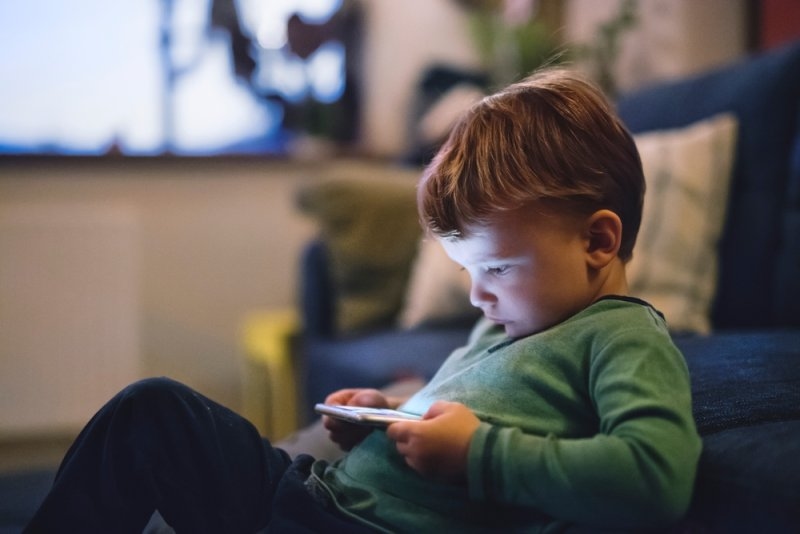
Toddler Screen Time: How to Balance Screen Habits and Play?

Key Takeaways
- Screen time for toddlers isn’t just about TV anymore. Now, it includes short videos, streaming, games, and even AI-powered content.
- All screen time isn’t created equal. What kids watch, why they watch it, and whether parents get involved really matters.
- Children growing up today—Gen Alpha—are running into new trends and digital fads younger than ever.
- Digital wellness for toddlers is about building good habits, not banning screens altogether.
- Setting realistic boundaries is what helps families blend technology with sleep, play, and together time.
A while back, “screen time” meant tossing on a VHS or letting your little one binge on Sesame Street for half an hour. Parents got that precious coffee break, and everyone knew the deal. Jump to 2026, and almost every toddler has access to YouTube, streaming apps, quick-hit videos, games, and all sorts of AI-powered stuff—as long as a device is nearby.
This major change isn’t just about new tech. It’s shifting how kids experience entertainment and even the world itself. Parents are stuck between the perks of grabbing a device for a brief breather and worrying about their child’s healthy development—and daily routines.
Toddler Screen Time in 2026: What’s Changed?
When people talk about “toddler screen time” now, it means so much more than old-school children’s shows. Tablets, phones, streaming platforms, games, and learning apps fill lots of homes.
Kids don’t just see things they pick themselves. Sometimes, they catch content made for older siblings—like gaming streams or trending videos—just because they’re in the same room.
Now, it’s not enough to separate “content made for toddlers” from “stuff toddlers happen to see.” Parents have to use parental controls and actually choose what’s age-appropriate.
Types of Screen Time for Toddlers
Let’s not pretend all screen use is the same. Knowing the difference helps parents steer things better.
- Passive watching: Cartoons or videos that just play while kids zone out.
- Interactive play: Games or learning apps that ask kids to tap, think, or respond.
- Creative stuff: Digital drawing, music-making, or building stories.
- Video calls: FaceTiming grandma or chatting with family for some extra social time.
A two-minute video call is pretty different than letting YouTube’s short videos autoplay for an hour.
Why Does Screen Time Feel So Different These Days?

It used to be simple. You knew when a show started, you knew when it ended, and you could count on that schedule. Now, autoplay means there’s always something else lined up. Personalized suggestions, endless scrolling, and streaming keep things going without any natural stopping point.
Managing screen time for toddlers has gotten a lot more complicated. Kids flip from one video to the next in seconds, and what pops up might not even be designed for their age. Honestly, parents have to pay closer attention and make more choices about what their kids see.
Learn More: Toddler Sleep Regression Explained: Signs, Causes & Fixes
Gen Alpha’s Digital World
Older generations had Saturday morning cartoons. Then came the YouTube era, where videos played whenever you wanted. Now, Gen Alpha is growing up surrounded by platforms full of short clips and endless recommendations. Algorithms know what they like, and trends move at lightning speed.
Supervision gets even trickier. Setting a timer helps with how long kids watch—but there are fewer guarantees about what they’re actually seeing.
Parental Pressure—And Why It’s Okay
Plenty of parents feel guilty about screen time. But life gets busy: dinner needs cooking, work calls pop up, or you just need a minute to breathe. Handing over a tablet doesn’t mean you’ve failed.
Instead of counting every minute, think about what screens are taking the place of. Are they replacing time for sleep, running around, talking, reading, or creative play? If not, it’s okay. A screen every so often can actually help everyone get through a tough moment.
Digital Wellness for Toddlers
Digital wellness is about building smart habits with tech—not pretending screens don’t exist.
Here’s what helps:
- Watch Together: Chat with your kid about what they’re seeing and ask easy questions.
- Mix It Up: For every hour you're online or on an entertainment app, grab a couple of books, crayons, blocks, or head outdoors.
- Block Out Unsuitable Content: Use parental settings to stay on safer websites and apps, and remove any material that’s not appropriate for their age.
- Screen-Free Zones: Try not to watch movies during meals or before your child’s sleep time—it may make getting ready more peaceful.
It’s not about perfection—balance works better.
Why Parents Beat Algorithms?
A fun video or clever app might catch a toddler’s interest, but real-life connection is still everything. Parents and caregivers matter most when it comes to helping kids make sense of the digital world.
Talking, reading, singing, and exploring together give kids skills and memories that screens just can’t replace. Sure, devices can grab attention. But it’s family routines and relationships that really help little kids grow.
Setting Boundaries That Work
If you’ve ever tried to enforce strict screen guidelines every single day, you know life rarely goes as planned. Long car rides, late work nights, and surprise changes can throw schedules off.
Simple rules help. So perhaps no devices while eating, perhaps none on the bedroom floor, or reading books before bed instead of TV shows. With limits that are rational and reasonably simple, families can more successfully enforce them.
Read Next: ARFID Treatment for Children and Safe Feeding Strategies
The Future: What’s Next for Toddler Screens?
Tech isn’t slowing down. In a few years, there’ll probably be even more AI-driven content, interactive toys, and wild digital experiences.
No one can (or needs to) keep up with every trend. What matters most stays the same: keep sleep, exercise, social time, and hands-on play the priorities. Use supervision. Stick to healthy routines.
Final Thoughts
We’ve come a long way from VHS tapes to streaming, games, and AI content—and things will just keep changing. But parents don’t have to ban all screens. Thoughtful use works much better. Knowing the differences in types of toddler screen time, recognizing how Gen Alpha consumes content, and focusing on digital wellness all make a real difference.
Screens aren’t going away. But they shouldn’t take the place of the best parts of childhood—real experiences, out-loud laughter, and plain old family time.
Frequently Asked Questions:
What’s too much screen time for toddlers?
The quick answer is: it varies! It depends on age, but more so on your child, his/her typical routine, and family needs. We must ensure, first, that screen time should never substitute for or even occupy space that should have been spent with our babies in sleep, physical activity, human interaction & hands-on activities.
Are all screen-time options for toddlers bad?
No. We can also use the television to communicate and play with family at home using the internet, explore the web for interesting creative projects or learning, connect via a video call, or passively watch videos or programs. Quality of content matters. Parental supervision also plays a significant role.
What is toddler digital wellness?
The notion of digital wellness generally includes healthy practices. It means having a certain number of selected age-specific child content to view, having certain pre-built security options and guidelines, eliminating screen time before bedtime and before family time, having proper physical activities and sleep routines, and a family time routine, etc.
Why is it important to note that Gen Alpha has a different form of content?
That's because children today grew up and will be raised in a digital world with short-form interactive content and algorithms. That means it may be more important for parents to take an active approach in reviewing recommended content due to continuous recommended uploads.
What are realistic limits for screen time for a child of the toddler age group?
Introduce new guidelines gradually-if it's never worked before, it's not a useful expectation. Screen-free meals and short periods before bedtime, and digital devices can offer a structure that sets realistic expectations.
This content was created by AI


