Related Articles
What is Best For Babies? Baby-Led Weaning Vs. Spoon-Feeding

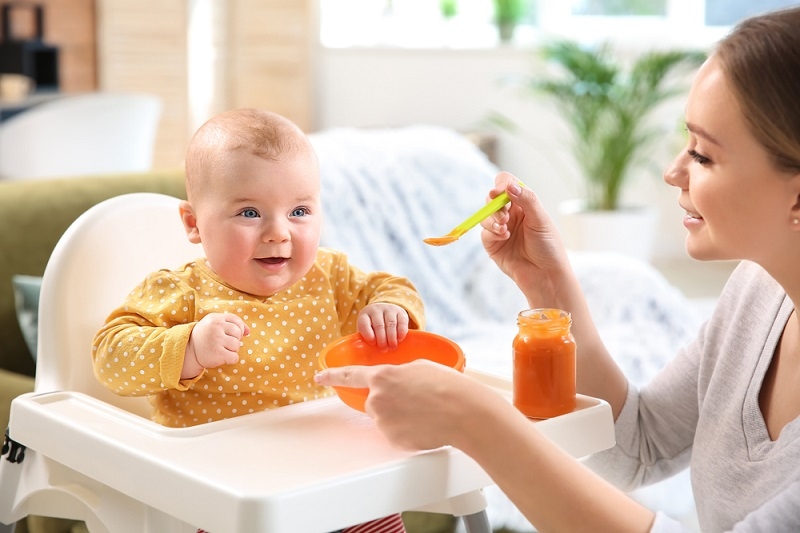
Introducing solid foods is an exciting step in a baby’s development and growth journey. But this often creates a vulnerable space and speculation for a lot of new parents. After months of breast milk feeds, a lot of parents and families start to wonder about how to initiate the transition from breast milk to real foods. It is around this time that parents consider two feeding methods when consulted with doctors, parenting groups, or online resources: baby-led weaning and traditional spoon feeding.
The discussion over baby-led weaning vs. spoon-feeding has become more common as parents search for ways to make mealtimes healthy and stress-free. In this battle of baby-led weaning vs. spoon-feeding, some parents prefer letting the baby choose and explore food independently. While other parents feel more comfortable guiding the feeding process with a spoon. It is best to know and understand your baby’s pattern of eating to allow their rapid growth and development. Parents are also seen to wonder about breastfeeding and formula feeding. Don't worry; we will explore everything related to your baby's food in the article. Let's dive in!
What is Baby-Led Weaning?
Being new parents, a lot of parents hear about baby-led weaning. And think about what baby-led weaning is and why people like it so much.
The idea of baby-led weaning is easy to understand: instead of giving babies mushy food with a spoon, parents let them find out about solid food by themselves. Baby-Led Weaning is when parents let babies feed themselves foods that they can pick up with their fingers from the very start. Parents usually give babies fruits, steamed vegetables, or little pieces of toast that babies can easily pick up and put in their mouths.
Baby-Led Weaning is about babies being independent and learning by trying things out. Babies can. Taste and try out food at their own speed. Sometimes this can be a bit messy. It helps babies get better at using their hands and get used to different kinds of food. Most people start baby-led weaning when their babies are six months old because that is when babies can sit up and look interested in what other people are eating. At this point, mealtime is more about babies finding out about food and less about eating a lot of food.
What is Spoon Feeding?
Although baby-led weaning is talked about a lot today, spoon-feeding is still very common. Understanding what "spoon-feeding" is helps parents see why many families still use this method. Spoon feeding is when parents or caregivers give babies pureed or mashed foods using a spoon. The grown-up controls how much food the baby gets and how fast they eat. This approach usually starts with foods like mashed fruits, vegetables, or baby cereals.
As babies get used to eating foods, the food gets a bit thicker. Over time, babies go from eating purees to eating pieces of food that they need to chew. Many parents like spoon-feeding because it gives them control. Since they are involved in each bite, they feel more confident watching how the baby reacts to foods. They can see if the baby likes or dislikes something. Parents also feel safe because they know what the baby is eating. This makes them feel more comfortable introducing foods.
Must Read: New Parents’ Guide to Getting to Know Your Newborn
Baby-Led Weaning vs. Spoon Feeding
When you are trying to decide between baby-led weaning and spoon-feeding, it is good to know that both ways are meant to help babies go from drinking milk to eating foods safely. The big difference is in how you feed the baby and how much the baby gets to control what they eat.
Baby-Led Weaning is about the baby being independent. The baby gets to pick up foods with their fingers and decide how much they want to eat. With spoon-feeding, the person taking care of the baby has control. They give the baby food a little at a time. Help them take each bite. Both ways can help babies eat foods if you do them right. Some babies like to pick up food on their own, while others might like it better if you introduce foods slowly using a spoon. The comparison below shows some differences between baby-led weaning and spoon feeding.
| Aspects | Baby-Led Weaning | Spoon-Feeding |
| Feeding Style | Babies feed themselves using finger foods | A parent feeds the baby with a spoon |
| Food Texture | Soft finger foods from the beginning | Starts with smooth purees |
| Feeding Control | The baby decides pace and quantity | Parent guides portions and timing |
| Skill Development | Encourages coordination and independence | Gradual transition to different textures |
| Meal Style | Often part of family meals | May begin with separate baby meals |
How to Choose Between Baby-Led Weaning and Spoon Feeding
Choosing a way to feed your baby can be really confusing at first. There are so many different ideas out there. The truth is, what works best for you and your baby usually depends on how your baby is growing and what feels right for your family.
When you are trying to decide between baby-led weaning and using a spoon to feed your baby, just remember that every baby learns to eat in their time. If you pay attention to when your baby's ready and what kind of personality your baby has, that can help you figure out what way of feeding is best for your baby and you.
Consider Your Baby’s Development
A baby's physical development is really important when it comes to being ready for food. When a baby can sit up with some help and looks like they want to eat, they are usually ready to start eating food.
Babies who like to pick things up and put them in their mouths will probably do well with baby-led weaning. Some babies take a little longer to learn how to do these things. For these babies, being fed with a spoon can be a way to get used to new textures and learn how to eat solid foods.
Think About Your Comfort Level
When it comes to mealtime, parents should think about what makes them feel most confident. What do parents like to do during mealtime? Some parents like to see their baby try food on their own. They like to watch their baby explore food. On the other hand, some parents like to help their baby eat with a spoon. They like to guide their baby when they are eating. Parents should choose a method that they like. This will help make mealtime a time, not a stressful time. Mealtime should be relaxed, like the rest of the day. Parents and their babies should be able to enjoy mealtime.
Consider Your Daily Routine
Our family routines can have an effect on the way we feed our babies. When babies eat with the rest of the family, baby-led weaning is often a choice. Baby-led weaning works well in these situations. On the other hand, spoon feeding is a better option when parents like to make special meals for the baby. This is because parents can prepare meals for the baby through spoon feeding. Baby-led weaning and spoon feeding are both options for feeding babies.
A Flexible Approach Often Works Best
A lot of families find out that they do not have to pick one way to feed their babies. Babies can eat pieces of food with their fingers when the family is eating together, and they can also have softer foods from a spoon. This way of doing things is good because babies can learn to do things on their own and still get help when they need it. Babies can have the best of both worlds, eating finger foods and softer foods from a spoon. That is what makes this approach so great for babies.
Essential Reads: Cluster Feeding Explained: Essential Guide for New Moms
Conclusion
When you are thinking about baby-led weaning and spoon feeding, it can be really helpful to know the difference. This way, parents can feel more sure of themselves when they start giving their baby food. Baby-Led Weaning and spoon feeding are both ways to feed a baby. They can both help a baby grow and develop in their own way. A lot of the time, families will use a bit of both methods. They will make a routine that works for them and makes mealtime a comfortable time for everyone, for the parent, and for the baby-led weaning and spoon feeding process.
FAQs
Can Parents Combine Baby-Led Weaning And Spoon-Feeding?
Yes, many families use a combination of both methods. Babies may eat finger foods during meals, while parents occasionally offer soft foods with a spoon.
When Should Babies Start Eating Solid Foods?
Most babies are ready to begin solid foods around six months of age when they can sit upright with support and show interest in food.
Is Baby-Led Weaning Safe For Babies?
Yes, baby-led weaning is generally safe when babies are supervised and offered soft, easy-to-hold foods that reduce the risk of choking.
This content was created by AI


