Related Articles
Quiet Time Activities That Work For Every Age And Mood


Every parent or caregiver has had that moment. The house is loud. The kids are bouncing off the furniture. Someone is asking for a snack while holding the snack they asked for. And the grown-up brain is quietly whispering, “Please… five minutes of peace.”
That’s where quiet time activities come in. Not as punishment. Not as a forced “go be quiet” situation. More like a reset button. A way to help kids calm down, recharge, and learn how to entertain themselves without constant input.
The secret is choosing activities that actually match a child’s age and attention span. What works for a two-year-old will not work for an eight-year-old. And what works on Monday might flop on Thursday. Totally normal.
This guide breaks down options by age, keeps things realistic, and gives ideas that don’t require buying an entire craft store.
Quiet Time Activities: Quiet Time Activities That Set Kids Up To Succeed
Before jumping into the age-based ideas, here’s what makes quiet time actually work.
Keep The Expectation Clear
Kids need to know what “quiet” means in that house. Is it whisper voices? Is it independent play in their room? Is it staying in one area? Clear rules prevent chaos.
Start Small
If a child has never done quiet time, don’t start with 45 minutes. Start with 10. Then build.
Make It Predictable
Same time every day helps. After lunch works well for many families because energy naturally dips. Routine makes kids less likely to fight it.
Offer Two Or Three Choices
Too many options overwhelm. Two or three choices feel empowering without turning into a negotiation.
Use A Timer
A visual timer or simple timer helps kids understand “how long.” Otherwise, they’ll ask every three minutes. You know they will.
Quiet Activities For Kids Ages 2 To 3: The Toddler Zone
Toddlers want movement. They also need calm. Quiet time for this age often means “less intense” rather than silent.
Good quiet activities for kids ages 2 to 3:
- Board books with big pictures
- Sticker books (large stickers are easier)
- Chunky puzzles with 4 to 8 pieces
- Soft blocks or stacking cups
- Sensory bin with dry pasta and scoops (supervised if needed)
- Stuffed animal “bedtime routine” play
A simple win is the “book basket.” Put 8 to 10 books in a basket that only comes out during quiet time. Novelty does a lot at this age.
Why Quiet Time Matters More Than People Think
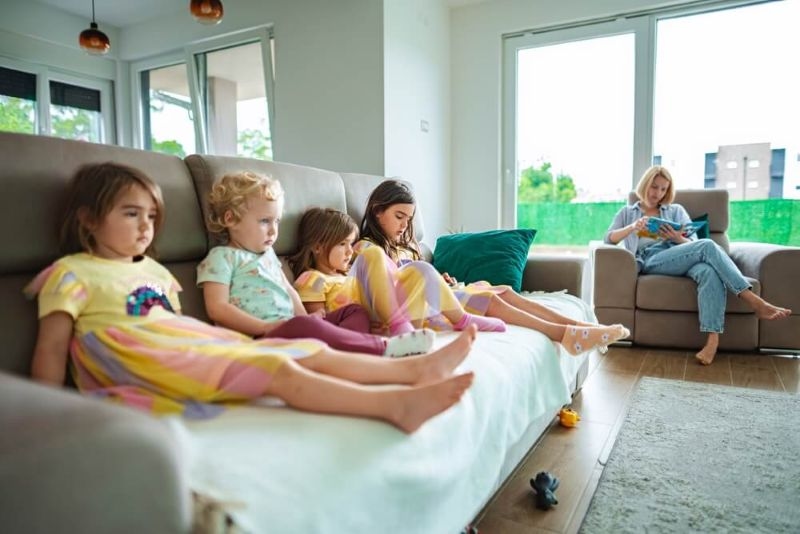
Quiet time isn’t just about giving adults a breather, though yes, that’s a big part of it. It helps kids build skills they’ll use forever:
- self-regulation (calming their bodies and minds)
- patience (not every minute is entertainment time)
- creativity (making something out of nothing)
- focus (sticking with an activity)
Quiet time also makes the rest of the day smoother. When kids get a chance to reset, transitions feel easier. Bedtime can improve. Even moods can lift. It’s not magic, but it’s close.
Screen Free Activities For Kids Ages 4 To 5: Preschool Sweet Spot
Preschoolers can handle more structured tasks, but they still like to bounce between activities. Quiet time becomes easier when the activity feels like play, not work.
Try these Screen free activities for kids ages 4 to 5:
- Coloring pages with crayons or washable markers
- Playdough with simple tools
- Water painting books (they dry and can be reused)
- Matching games or memory cards
- Simple lego builds with “build a house, build a car” prompts
- “I Spy” books or picture search books
A fun trick: create a “quiet time box” with rotating items. Bring out two items a day. Swap weekly. It keeps the novelty alive without buying more stuff.
Kids Quiet Time Ideas Ages 6 To 8: Early Elementary Calm Builders
This age can do quiet time well, but they need activities that feel meaningful. If it’s too baby-ish, they’ll resist. If it’s too hard, they’ll quit.
Strong Kids quiet time ideas ages 6 to 8:
- Independent reading or audiobooks with a physical activity (like coloring)
- Journaling with prompts like “Today I feel…” or “If I had a dragon…”
- Simple origami with step-by-step sheets
- Puzzle books: mazes, word searches, spot the difference
- Drawing challenges like “Draw your dream room”
- Building sets with a small goal: “Make a bridge that can hold a toy car”
This is also a good age for calm “project” quiet time. Something they work on a little each day. A comic strip. A lego town. A mini scrapbook.
Do Check Out: Life Skills Activities for Kids That Build Real Confidence
Activities For Different Age Groups In One House
Let’s be real. Many homes have mixed ages. A toddler and a second grader. Or a preschooler and a tween. Quiet time can still work, but it needs zones.
Here’s a simple approach for Activities for different age groups:
- Toddler zone: safe toys, books, sensory play
- Big kid zone: reading, puzzles, crafts, building kits
- Shared rule: everyone stays in their zone unless it’s an emergency
If kids share a room, use “quiet time bins” that only come out during this time. Each child gets their own bin. No sharing required. Sharing during quiet time is basically a trap.
Independent Play Activities That Teach Kids To Entertain Themselves
Quiet time works best when kids can do it without constant help. The goal isn’t perfection. It’s independence.
Useful Independent play activities include:
- Pretend play with figurines or dolls
- “Small world” play with animals and blocks
- Reusable sticker scenes
- Sorting games (buttons by color, toy cars by size)
- Building challenges
- Craft kits with simple instructions
If a child keeps calling for help, the activity may be too complex or too open-ended. Simplify. Give them a clear start and finish. Example: instead of “build something,” try “build a zoo with 3 animal areas.”
Quiet Time For Tweens Ages 9 To 12: Low-Key But Not Babyish
Tweens often don’t want “quiet time.” They want privacy. They want independence. They might roll their eyes, but they still benefit from downtime.
Good quiet-time options for this age:
- Reading anything they actually like (graphic novels count)
- Journaling or sketching
- Craft hobbies: knitting, bracelet making, model kits
- Listening to music while doing a puzzle
- Organizing their space with a small goal (drawer, shelf)
- Learning something fun: simple cooking prep, beginner language app with a workbook style (screen-free if preferred)
The key is giving them control and treating quiet time as “recharge time,” not “go be quiet because I said so.”
Making Quiet Time Stick Without Daily Battles
Quiet time fails when it feels like a sudden demand. It works when it feels like part of the rhythm of the day.
A few ways to make it easier:
- Do a 2-minute “setup” together (choose activity, set timer)
- Use a calm phrase like “quiet time is starting” instead of barking instructions
- Praise effort, not silence. “You stayed with your puzzle” matters
- Keep a consistent end ritual: snack, outside time, free play
And if a day goes badly, don’t scrap the whole thing. Reset tomorrow. Kids learn routines through repetition, not through one perfect day.
Conclusion: Quiet Time Activities That Can Save A Rough Day
Sometimes you need quick wins. These are the “pull it out when things are melting down” options:
- Audiobook + coloring
- Sticker books
- Water painting
- Lego free build with one prompt
- Puzzle books
- Cozy blanket “reading fort”
When kids are overstimulated, simple is better. Quiet time doesn’t need to be impressive. It needs to be calming.
Read More: When Can Babies Safely Sleep on Their Stomach at Night?
FAQs
1. How Long Should Quiet Time Be For Different Ages?
Toddlers may start with 10 to 15 minutes. Preschoolers often handle 20 to 30 minutes. Older kids can do 30 to 45 minutes depending on personality and routine.
2. What If A Child Refuses Quiet Time?
Start smaller and offer choices. Make it predictable, use a timer, and pick activities they can do successfully without help. Consistency matters more than strictness.
3. Are Screens Okay During Quiet Time?
They can be, but many families prefer Screen free activities for kids to encourage creativity and better regulation. If screens are used, setting limits and choosing calm content helps.
This content was created by AI


