Related Articles
Screen Addiction in Kids and How Parents Can Spot It Early

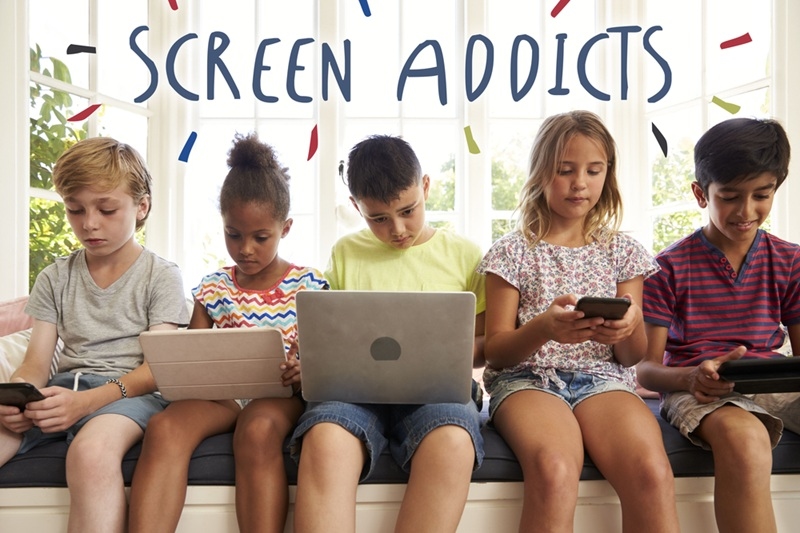
Screen addiction in kids has quietly become a daily concern for many families. Phones, tablets, TVs, and game systems are everywhere, and kids often move from one screen to another without much thought. Within the first few minutes of observation, many parents start noticing 'kids' screen time problems, such as short attention spans, mood swings, or constant requests for devices. Screen addiction in kids does not happen overnight, but small habits grow fast when limits stay unclear.
Screen addiction in kids looks different from child to child. Some show apparent screen time addiction symptoms early, while others slowly drift into heavy use without obvious warning signs. Understanding child digital addiction signs and learning how to reduce kids' screen time helps families respond calmly instead of reacting too late.
What Screen Addiction in Kids Really Means
Screen addiction among children is not concerned with the use of screens. It is problematic when screen time begins taking away essential aspects of childhood. Sleep, playtime, family talk, and learning are usually put in the second layer. Children with screen time issues display this when they get irritated in the absence of a gadget or when they are unwilling to perform other tasks.
Such kind of behavior is related to the design of digital content. Playing games, videos, and applications tends to be rewarded by quick responses and attention. Immediate rewards make young minds unable to control themselves.
Everyday Situations Linked to Screen Addiction
- Spends long periods on gadgets continuously.
- Compared to the time screens were left on, strong emotional reactions.
- Not considering work at school or in the household.
- Loss of interest in offline playing.
All these trends are indicators of early childhood digital addiction.
Related Articles: Digital Diet: Tips on Managing Screen Time For Kids
Early Child Digital Addiction Signs Parents Miss
Many parents miss early signs because screens feel normal now. A child sitting quietly with a tablet may seem calm, but behavior after screen use tells a bigger story. Child digital addiction signs often appear during transitions away from screens.
Let’s break it down. When a child cannot switch tasks without frustration or becomes restless when devices are unavailable, something deeper may be forming.
Subtle Child Digital Addiction Signs
- Trouble stopping screen use without anger
- Constant thinking or talking about games or videos
- Reduced patience during everyday routines
- Complaints of boredom without screens
Spotting these early makes it easier to minimize kids' screen time gently.
Screen Time Addiction Symptoms That Show Up at Home
Screen time addiction symptoms affect daily life in small but meaningful ways. Sleep problems often come first. Kids may resist bedtime or wake up tired. Focus issues at school often follow. Teachers may mention daydreaming or unfinished tasks.
Physical changes can also appear. Eye strain, headaches, or less outdoor movement become common. These signs closely connect with kids' screen time problems that build over months, not days.
Common Screen Time Addiction Symptoms
- Difficulty sleeping or staying asleep
- Mood swings after screen sessions
- Reduced interest in hobbies
- Trouble focusing on simple tasks
Recognizing screen time addiction symptoms helps parents respond before habits harden.
Why Kids' Screen Time Problems Keep Growing
Kids' screen time problems grow because screens meet emotional needs fast. Boredom disappears instantly. Games reward effort right away. Videos never ask kids to wait. This creates a loop in which screens become the easiest form of comfort.
What this really means is that kids may struggle to handle slow moments or quiet time. Without guidance, screen addiction in kids fills every gap in the day.
Factors That Increase Risk
- Unlimited device access
- Screens are used as default calming tools
- Lack of outdoor or social play
- Inconsistent daily routines
Understanding these factors helps parents plan smarter changes.
Learn More Here: Real Talk on Gentle Parenting: Why It’s Hard but Worth It
Parenting Screen Addiction Tips That Actually Help
Tips that parents screen their addiction are effective when they are supportive and not strict. Sudden prohibitions have an unproductive effect and create tension. Women should be allowed to change gradually and build trust and cooperation.
Here’s the thing. Children will listen more when they can know the reasons behind the existence of limits. Coherent regulations combined with the common activities contribute to better habits.
Addiction Tips on Practical Parenting Screen
- Have definite screen timing and adhere to it.
- Ensure that screens are not put in the bedrooms at night.
- Act as a model of balanced behavior at the adult age.
- Provide fun offline alternatives on a daily basis.
These are parenting screen addiction tips that are oriented towards guidance and not punishment.

How to Reduce Kids' Screen Time Without Power Struggles
Timing is important for helping children reduce their amount of time spent using screens. Planning for changes helps make the transition smoother, and providing time warnings about when a child's screen time will end allows children to prepare from an emotional perspective. Switching out screens with fun activities gives children less resistance to making the change to their reduced screen time.
Reducing screen time does not mean eliminating fun—it will just mean having fun over a larger number of different types of activities.
Easy Ways to Reduce Children's Use of Screens
- Set "device-free" time for the family.
- Promote outdoor activities, sports, and creative activities.
- Use screens only after chores and other responsibilities have been completed.
- Celebrate the "improvement" and "progress" rather than "perfection."
Being consistent and flexible is extremely important rather than just enforcing strict rules.
Building Healthy Digital Habits Early
When children receive support, they are more likely to develop healthy habits. Using balance as a tool for guiding children toward healthy habits can also help to reduce unhealthy habits through screen addiction. Conversations about how screens impact mood or focus may also develop an awareness of the screen use issue.
By having adults model appropriate screen use, children will learn appropriate screen-use skills based on the modeling done by their parents.
Habits That Encourage Balance
- Regular sleep
- Daily exercise
- Shared family meals without screens
- Screen-free mornings and/or evenings
These habits minimize problems relating to increased screen time of children.
When to Seek Extra Support
Sometimes changes at home are not enough. If screen addiction in kids begins affecting school performance, friendships, or emotional health, outside support can help. Pediatricians, counselors, and school advisors offer guidance without judgment.
Seeking help does not mean failure. It means paying attention early.
Talking to Kids About Screen Use
Conversations matter. Instead of lectures, open questions work better. Asking how screens make kids feel builds trust. Kids often know when screen use feels too much, even if they resist limits.
These talks support long-term success and reduce conflict around rules.
Long-Term Effects of Ignoring Screen Addiction
Ignoring screen addiction in kids can lead to lasting challenges. Attention difficulties, social struggles, and emotional regulation issues may grow over time. Early action protects mental and physical development.
Balanced screen habits support learning, creativity, and healthy relationships.
Creating a Family Plan That Lasts
A family screen plan works best when everyone participates. Clear rules, shared goals, and flexibility keep the plan realistic. Adjustments may be needed as kids grow.
Focus on progress, not perfection.
A Closer Look at This: Types of Screen Time for Babies: From TV to TikTok in 2025
Conclusion
Screen addiction in kids develops slowly but can affect behavior, sleep, and learning if ignored. By spotting child digital addiction signs, understanding screen time addiction symptoms, and using calm parenting screen addiction tips, families can reduce kids' screen time in healthy ways. Small changes today support better balance tomorrow.
FAQs
What is screen addiction in kids?
Screen addiction in kids happens when device use interferes with sleep, behavior, learning, or family life.
What are common child digital addiction signs?
Signs include strong reactions when screens stop, loss of interest in play, and constant focus on devices.
How can parents reduce kids' screen time?
Parents can reduce kids' screen time by setting routines, offering offline activities, and modeling healthy habits.
When should parents worry about screen time addiction symptoms?
Concern is needed when screen use affects sleep, school performance, mood, or social behavior consistently.
This content was created by AI


