Related Articles
10 Tips for Raising Grateful Kids That Actually Work

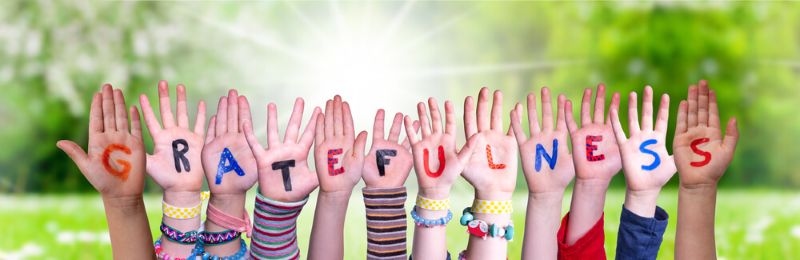
Gratitude sounds easy enough, doesn’t it? Just teach kids to say “thank you,” and you’re done. But if you’ve actually spent time with children, you know it’s never that simple. Getting kids to truly appreciate things takes time, energy, and a plan. And honestly, kids pay way more attention to what adults do than what they say.
Right now, more parents across the U.S. are thinking about how their kids are growing and acting, especially with screens, easy access to rewards, and jam-packed schedules all shaping their worldview. The upside? Gratitude isn’t something kids either have or don’t have. They pick it up little by little as they move through their daily routines.
So, what actually works when you’re trying to raise grateful kids—and how do you help those lessons stick?
Raising Grateful Kids With Simple Daily Habits
You don’t teach gratitude with a big speech or a one-time moment. It grows in the hundreds of small, daily interactions. That’s the part a lot of parents miss. Here’s what makes a real difference:
1. Model gratitude in your own behavior
Kids pick up on everything adults do, whether you’re thanking someone at a store, talking about a good meal, or giving credit where it’s due. Say things like, “I’m really glad you helped me with that.” It seems like nothing, but they’re always watching.
2. Encourage thank you moments, but don’t force them
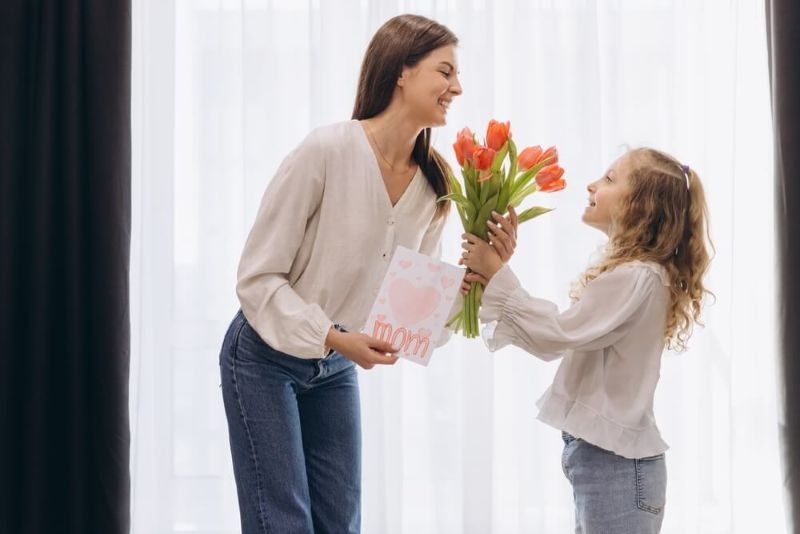
Manners count, of course. But making a child parrot “thank you” doesn’t sink in. Instead, ask, “What did you think about that gift?” Give them a second to reflect. When you do this enough, authentic gratitude starts to grow.
3. Create a daily gratitude habit
It doesn’t have to be fancy. Asking, “What’s one good thing about your day?” at dinner is enough. Some families keep a tiny gratitude journal. No need for long paragraphs—a few honest words do the trick.
4. Let kids experience waiting
When kids get everything right away, they hardly notice what they’ve received. Waiting—whether it’s holding out for a special treat or saving up for a toy—builds excitement and appreciation.
5. Teach the value of effort behind things
Kids usually see the finished product, not all the effort. Let them notice how a meal gets made or how money is earned. Say, “Dinner took a while to prepare.” It’s not a complaint—just context, so they connect effort and value.
6. Involve kids in helping others
Want gratitude to root itself? Let kids help someone besides themselves. Volunteer, donate, lend a hand to a neighbor. It’s not about guilt—it’s about understanding, and seeing life from more than just their perspective.
7. Avoid over-rewarding everything
If every good deed gets a treat, kids lose sight of why the act mattered. They start asking, “What do I get?” instead of learning, “This was meaningful.” Sometimes, a simple, “I really saw how helpful you were today,” makes a bigger impact.
8. Talk about feelings, not just actions
Gratitude is as much about how you feel as what you do. Don’t just look for a thank you; ask, “How did you feel when your friend shared that with you?” This helps kids notice the emotions behind appreciation.
9. Limit comparison culture
Kids need less focus on who has more and more focus on what really matters to them. Keep the conversation on their own values, not what anyone else has—especially with all the comparison that comes from social media and peers.
10. Celebrate small moments, not just big wins
Big moments matter, but life is mostly made up of simple, everyday events. A sunny walk, an unexpected joke, or a family dinner—those are the moments that build lasting gratitude.
Don't Miss: How to Build Confidence in Kids: Smart Parenting Tips?
Why Gratitude Matters In Kids Behavior Development
Gratitude goes way beyond good manners. It’s a huge building block for how kids relate to other people, handle tough times, and even see the world.
When kids learn appreciation early, you’ll see:
- Stronger friendships and relationships
- Better ways of handling disappointment
- More empathy
- A generally sunnier outlook
It makes sense—if a child can focus on what they already have, they stop feeling frustrated all the time and start noticing the good around them.
How To Teach Gratitude To Kids Without Lectures
If you’ve ever tried explaining gratitude in a long talk, you know it usually goes in one ear and out the other. So, how do you help the lesson stick?
Make it part of everyday conversations
You don’t need a special sit-down. Bring it up while driving, eating, or hanging out. Casually pointing out, “That was kind of them,” can be enough.
Use storytelling and examples
Kids love stories—yours, theirs, or even those from a movie. Point out characters who show appreciation, or talk about a real moment when someone’s help meant a lot.
Suggested Reading: Quiet Time Activities That Work For Every Age And Mood
Common Mistakes Parents Make When Teaching Appreciation
All parents want their kids to appreciate things, but sometimes good intentions backfire. Here’s where things go off track:
Over-correcting behavior
If you’re always pointing out missed “thank you,” gratitude starts to feel like a chore. Guide them gently, and let it build naturally.
Using guilt as a teaching tool
Saying “Other kids have less, so you should be grateful” just leads to shame—not real appreciation. Gratitude grows best when kids feel good, not guilty.
Positive Parenting Strategies That Support Gratitude
Gratitude isn’t something you teach in isolation. It grows next to other big parenting behaviors:
- Keeping open conversations
- Staying patient when lessons don’t stick right away
- Giving clear, flexible expectations
- Noticing and naming good behavior
Here’s the surprising thing: kids who feel heard and respected are usually the first to show true appreciation. It’s less about control and more about genuine human connection.
Also Read: Strategies for Handling Parental Disagreements Effectively
Conclusion
Raising grateful kids isn’t about constantly hovering, nagging, or demanding perfect manners. It’s about showing them—one small, everyday moment at a time—what appreciation feels like. Through little habits and honest conversations, kids start to really get gratitude. Not just as a word, but as a feeling. That feeling goes with them. It shapes how they act, react, and connect with the world.
FAQs
At What Age Should You Start Teaching Gratitude To Kids?
Simple phrases like "thank you" can be used as early as the toddler years. As children become older, you may teach them more complex concepts about hard work and compassion. The strategy changes as one ages.
Can Gratitude Help With Sibling Conflicts?
It can, in fact, ease stress. Children collaborate more and fight less when they learn to respect one another's behavior. It changes the emphasis from rivalry to comprehension.
How Do You Handle Ungrateful Behavior In Public?
Instead of responding right away, maintain your composure and deal with it later. Children who get public punishment may become defensive and embarrassed. A private discussion is more effective.
Does Gratitude Affect Academic Performance?
Yes, indirectly. Grateful children frequently exhibit improved concentration, closer bonds with instructors, and a more optimistic outlook on education, all of which can promote academic success.
This content was created by AI


