Related Articles
Positive Discipline for Kids That Actually Work in Real Life

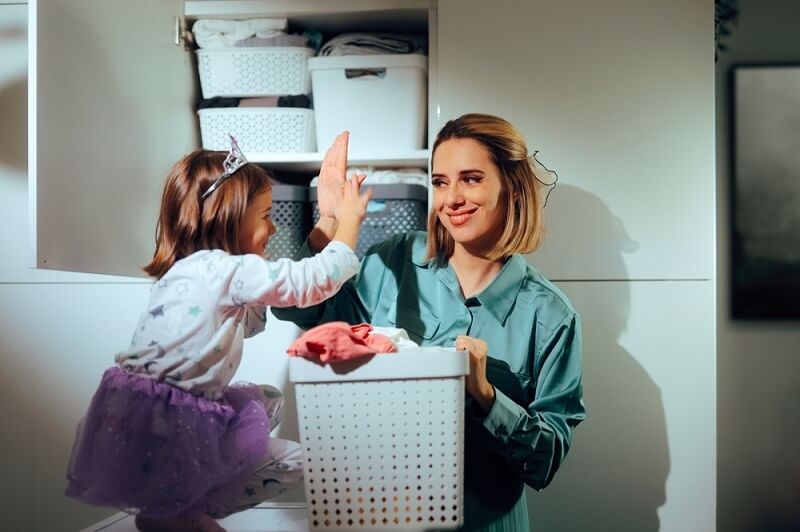
Parenting gets a lot easier when you stop trying to control every behavior and start focusing on teaching it.
Most of us were raised around punishment. Timeouts, yelling, taking things away. It might stop a child in the moment, but it rarely fixes the actual issue. The behavior usually comes back, just in a different form.
That is why more parents in the US are shifting toward positive discipline for kids. It is not about being soft. It is about being intentional. You are still setting rules, but you are also showing your child how to follow them.
If you want a practical way to handle behavior without constant power struggles, this approach makes a real difference.
Positive Discipline for Kids: What It Actually Looks Like at Home
Positive discipline for kids is less about theory and more about how you respond in everyday situations.
It means you stay steady, even when your child is not.
Instead of reacting instantly, you slow things down and guide what happens next.
At home, this usually looks like:
- You correct behavior without raising your voice
- You explain what went wrong in simple terms
- You follow through on rules without overreacting
- You give your child a chance to fix mistakes
Over time, these habits also work as practical tips for raising grateful kids, because children start noticing effort, respect, and consistency in how they are treated.
This approach is backed by child psychology research used across many parenting styles USA, especially the authoritative style. Kids respond better when they feel respected and know what to expect.
Why Discipline Without Punishment Changes Behavior Long-Term
Punishment focuses on stopping behavior fast. Teaching focuses on changing it for good.
That is the main difference.
When you rely on punishment, kids often:
- Do the same thing again when you are not around
- Focus on avoiding trouble instead of understanding it
- Push back more as they grow older
With discipline without punishment, the focus shifts.
You are helping your child:
- Understand cause and effect
- Take responsibility
- Think before acting
This is one of the most effective child behavior strategies because it actually sticks.
The Link Between Emotional Intelligence and Everyday Behavior
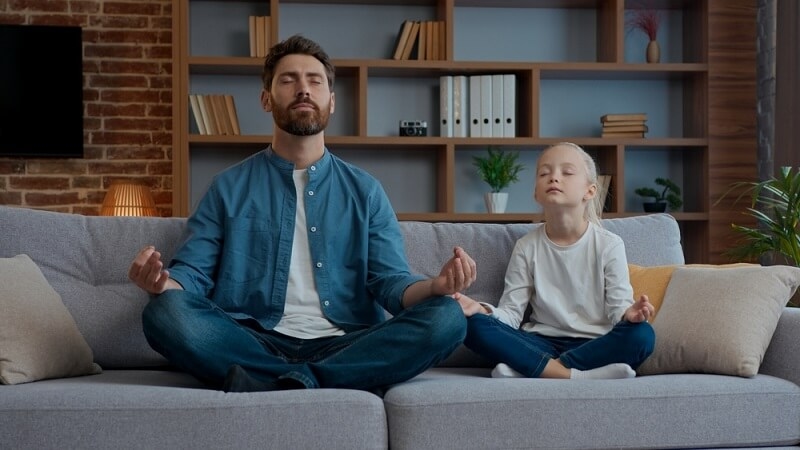
A lot of behavioral issues are really emotional issues.
Kids act out when they are overwhelmed, tired, frustrated, or unable to express what they feel. That is where emotional intelligence in kids becomes important.
You are not just correcting behavior. You are teaching emotional skills.
Simple shifts make a difference:
- “Stop crying” becomes “Tell me what upset you.”
- “Calm down” becomes “Let’s take a minute together.”
Over time, kids learn to:
- Recognize what they feel
- Put it into words
- Manage it better
Strong emotional intelligence in kids leads to fewer meltdowns and better decision-making. This is a big reason why gentle parenting methods are becoming more common across US households.
Must Read: How to Build Confidence in Kids: Smart Parenting Tips
How Gentle Parenting Methods Fit Into This
Gentle parenting methods get talked about a lot, but they are often misunderstood.
It is not about letting things slide. It is about how you enforce rules.
You still set limits. You just do it without intimidation.
Here is how it connects with positive discipline for kids:
- You listen before correcting
- You stay calm while setting boundaries
- You focus on teaching instead of reacting
Many modern parenting styles USA combine both approaches. You get the structure of discipline and the connection of empathy.
That balance is what actually works.
Practical Child Behavior Strategies That Work in Real Life
You do not need a complicated system. Small changes in how you respond can fix a lot of daily issues.
Here are some child behavior strategies you can start using right away.
Set Expectations Early
Most behavior problems start when kids do not know what is expected.
Before a situation, be clear.
Example:
“We are going to the store. Stay close and no running.”
This reduces conflict later.
Keep Your Reactions Steady
If your reaction is bigger than the problem, the situation escalates.
Staying calm does not mean ignoring behavior. It means handling it without adding extra emotion.
This is a key part of both gentle parenting methods and discipline without punishment.
Let Consequences Do the Teaching
You do not need to invent punishments.
Use real outcomes.
- Spill something, clean it up
- Break a rule, lose access to that activity for a while
This makes the lesson clear without turning it into a fight.
Give Simple Choices
Kids cooperate more when they feel involved.
Example:
“Do you want to do homework now or after dinner?”
Both options work, but the child feels some control.
Focus on What to Do Next
Do not stay stuck on what went wrong.
Shift quickly to:
“What should we do differently next time?”
This builds problem-solving skills and makes your child's behavior strategies more effective over time.
Notice Small Improvements
You do not need big praise. Just acknowledge effort.
“I noticed you stopped when I asked. That helped.”
This encourages better behavior without overdoing it.
Stay Consistent With Limits
If rules change every day, kids test them more.
Consistency makes positive discipline for kids easier to follow and understand.
Be the Example
Kids watch everything.
If you lose control easily, they will too. If you stay calm under pressure, they learn that.
This is one of the strongest child behavior strategies, even though it is often ignored.
Where Parents Usually Struggle
Switching to discipline without punishment can feel uncomfortable at first.
Common issues include:
- Expecting quick results
- Giving too many warnings without action
- Backing down after setting a rule
- Talking too much instead of keeping it simple
You do not need to get it perfect. You just need to stay consistent.
Explore More: Raising Resilient Kids: Emotional Strength Tips
Conclusion
You do not need louder rules or stricter punishments to raise well-behaved kids.
You need clarity, consistency, and the right approach.
Positive discipline for kids helps you handle behavior in a way that actually teaches something useful. When you combine it with gentle parenting methods and focus on discipline without punishment, you are not just managing your child. You are shaping how they handle real-life situations.
It takes patience at the start, but it reduces stress in the long run. You spend less time correcting behavior and more time watching your child figure things out on their own.
That is when you know it is working.
FAQs
How do you handle discipline in public without causing a scene?
Keep it simple and low-key. Move closer to your child, get at their eye level, and speak quietly. You do not need long explanations. Give a clear instruction and follow through. If needed, step outside for a minute. Staying calm in public situations helps your child stay regulated instead of reacting to attention or pressure.
Can this approach work in busy households with multiple kids?
Yes, but it requires clear routines and consistent expectations. When kids know what happens next, there is less chaos. Set simple household rules that apply to everyone. Use the same response patterns so kids are not confused. Over time, siblings also learn from each other, which makes things smoother.
What should you do when other caregivers use punishment-based discipline?
Consistency matters, but differences happen. Talk to caregivers about your approach and explain what you are trying to build long-term. You do not need to argue, just be clear. At home, stay consistent with your methods so your child has a stable reference point. Kids can adapt when expectations are clear.
This content was created by AI


