Related Articles
Intrauterine Insemination Procedure and Success Rate

Quick Takeaways
- As one of the least invasive fertility procedures out there, IU will certainly be considered.
- The IUI procedure is quick and relatively easy, typically taking just a few minutes in a fertility clinic.
- The likelihood of success with IUI is primarily influenced by age, diagnosis of fertility issues, the quality of a man's sperm, and the appropriate timing of the procedure.
- In cases that are appropriate for AI, it is typically performed first as it tends to be simpler and less costly than IVF.
- An expert fertility specialist makes it easier to plan, monitor, and decide on a fertility treatment.
For couples, infertility is a common scenario, and each flow of events is unique. Some require minimal medical assistance to conceive, and some require advanced treatment. Because it's less invasive than IVF, requires minimal skill, and allows for unwanted, unplanned fertilization to occur inside the body, IUI is now one of the most frequently used fertility treatments available.
Despite all this, many couples start treatment for divorce when they really don't know what to expect, and they don't know what their chances of success are. The little things can mean a lot. Here, you will learn about the nature of intrauterine insemination, success rates, who the usual person it affects the most, and what you can realistically expect.
Understanding Intrauterine Insemination Before Starting Treatment
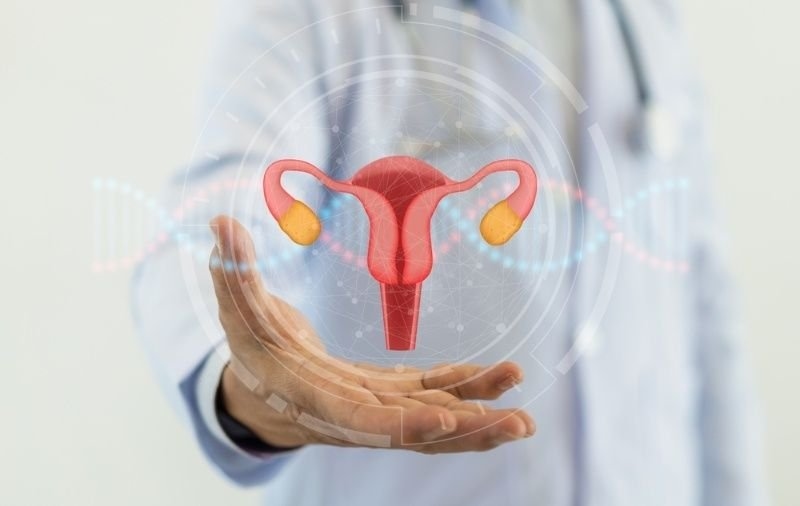
Intrauterine insemination is a fertility procedure where specially prepared sperm is placed directly inside the uterus around the time of ovulation. This shortens the distance sperm must travel, increasing the chance that fertilization may occur naturally.
Unlike IVF, fertilization still happens inside the fallopian tube rather than in a laboratory. Intrauterine insemination is commonly recommended for unexplained infertility, mild male infertility, cervical mucus problems, or when donor sperm is being used.
How the IUI Procedure Actually Happens?
The very first thing that you need to do in the IUI procedure is to monitor the ovulation stage of the woman. There are people with natural pregnancies who conceive naturally, while there are those whose natural production involves medications.
In these cases, it is necessary to increase the number of ova. Once in the proximity of ovulation, a semen sample is taken from the clinic and washed in the laboratory, and only the healthiest sperm are concentrated.
To perform the insemination, the doctor threads a thin, soft catheter through the cervix and places the prepared sperm right into the uterus. The IUI procedure generally takes only a few minutes, causes little discomfort, plus rarely requires anesthesia. Most patients return to normal activities the same day.
Why Artificial Insemination is Different From IVF?
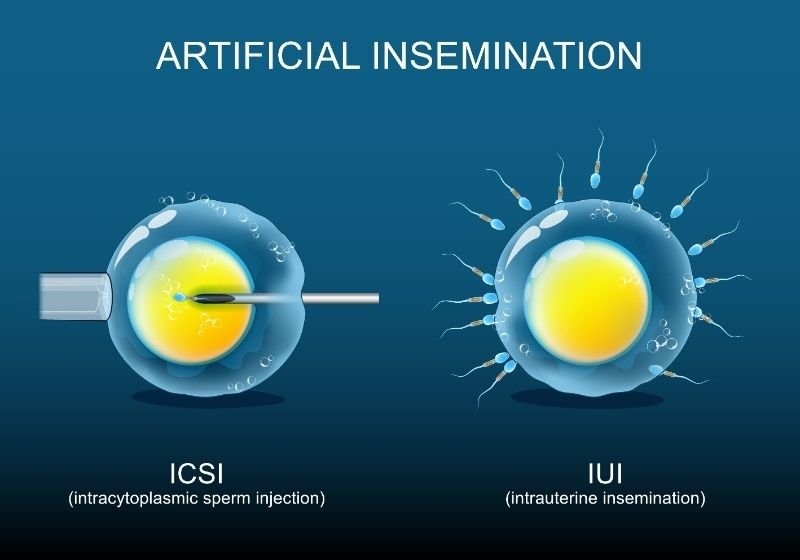
Many people confuse artificial insemination with IVF. They are different treatments.
| Feature | Artificial Insemination Through IUI | IVF |
|---|---|---|
| Fertilization | Inside the body | Inside a laboratory |
| Procedure | Less invasive | More complex |
| Treatment Time | Usually, one clinic visit | Multiple appointments |
| Cost | Lower | Higher |
| First Choice | Mild fertility issues | Complex infertility cases |
Don't Miss: What Are Weird Pregnancy Symptoms In Pregnant Women?
What Happens Before and After the IUI Procedure?
The IUI procedure starts well before the insemination itself. Timing is everything. Fertility specialists keep a close eye on things using ultrasound scans, blood tests, or ovulation prediction kits.
Preparing for an IUI Procedure
The steps to prepare for IUI tend to be quite simple. The clinic may recommend avoiding some lubricants that are detrimental to sperm longevity, adhering to the medication regimen, and arriving on time, as the insemination is timed to a woman's ovulation.
Here is a typical course of the process:
- First, they track your period. Ultrasounds and hormone tests tell them when you’re about to ovulate.
- Next is sperm prep. Lab techs wash the sample to pick out only the strongest, healthiest sperm.
- On insemination day, the doctor places this concentrated sperm directly into your uterus using a soft catheter.
- After that, there’s the waiting period. About two weeks later, you take a pregnancy test—this gives enough time for the embryo, if there is one, to implant.
Although the IUI procedure is brief, careful planning before it often makes the biggest difference.
Recovery After Artificial Insemination
Recovery after artificial insemination is generally simple. Most women experience little more than mild cramping or light spotting for a short time. Serious complications are uncommon.
Daily activities usually continue without restrictions, although many fertility specialists advise avoiding unnecessary stress during the two-week wait.
Suggested Reading: Pregnancy Nose: Causes, Symptoms, and Remedies You’ll Love
Understanding IUI Success Rates in Real Life
One of the biggest questions couples ask is about IUI success rates. There isn't one number that fits everyone. Age has the strongest influence.
Women younger than 35 tend to have the best rates of success with IUI. After 35 and more significantly as age increases, egg quality begins to fall and pregnancy rates decrease.
Factors That Affect IUI Success Rates
Therefore, IUI success is a combination of age, timing, fertility type, and the quality of the eggs and semen that are used.
| Factor | Effect on Success |
|---|---|
| The woman's age | Younger age generally improves pregnancy chances. |
| Sperm quality | Healthy, motile sperm increase the likelihood of fertilization. |
| Ovulation timing | Correct timing is one of the biggest success factors. |
| Fertility medication | May improve outcomes in selected patients. |
| Underlying infertility cause | Some conditions respond better to IUI than others. |
Instead of focusing on a single percentage, couples should discuss their individual situation with a fertility specialist. The same fertility treatment may produce very different outcomes for different patients.
Also Read: Difference Between Single and Twin Pregnancy: What to Expect
Final Thoughts
Despite its limited effectiveness, intrauterine insemination is still one of the most convenient procedures for couples who are mildly infertile or have unexplained infertility. Less invasive than IVF, it is relatively quick and is suitable for many patients at an early stage of fertility treatment. However, more than a procedure is required for success.
Planning is easy; the IUI procedure is simple. Even learning about the realistic success rate of IUI, when to use artificial insemination, and working with a skilled fertility specialist makes the process less daunting.
Frequently Asked Questions
Can I exercise after an IUI procedure?
Most activities, including walking, are safe after IUI. If an individual has taken fertility drugs that cause the enlargement of the ovary, high-intensity exercises might have to be deferred for a brief duration. To get treatment advice, ask your doctor about your treatment cycle.
Does artificial insemination increase the chance of twins?
Adding artificial insemination does not raise the likelihood of multiples. Other drugs used when you are trying to get pregnant before the IUI, however, may lead to the release of many eggs and will increase the risk of multiple pregnancies.
How many IUI cycles are normally suggested?
For intrauterine insemination, most fertility doctors recommend three to six cycles, depending on the age, diagnosis, and response to treatment. Other fertility treatments may be discussed if pregnancy does not occur, such as IVF.
Is the IUI procedure painful?
The IUI procedure causes only minor discomfort, which most women liken to a normal pelvic exam. Others may have temporary cramping or spotty menstrual bleeding, followed by everything being normal within a day. Very little pain is reported, and it is not serious.
This content was created by AI


