Related Articles
How Should You Use a Bulb Syringe for Babies as Parents?

Key Takeaways
- Use saline drops first to loosen thick mucus before suctioning.
- Squeeze the bulb before inserting it into your baby’s nostril.
- Insert the tip gently and shallowly to avoid irritating the nasal passages.
- Limit suction sessions to a few times per day to prevent nasal irritation.
- Clean and dry the bulb syringe thoroughly after each use to reduce bacterial growth.
Bulb syringe use is one of the most common ways parents relieve baby nasal congestion during the first year of life. If your baby has a stuffy nose, feeding and sleeping can suddenly become difficult, and even mild congestion may feel overwhelming for new parents.
Pediatric experts often recommend saline drops and gentle nasal suction for babies because infants cannot blow their noses effectively. A nasal aspirator or bulb syringe can help remove excess mucus, making breathing easier and improving comfort during feeding and sleep.
In this article, we will explain how to use a bulb syringe safely, when to use it, step-by-step suction instructions, cleaning tips, common mistakes to avoid, and when to contact your pediatrician.
What is a Bulb Syringe?
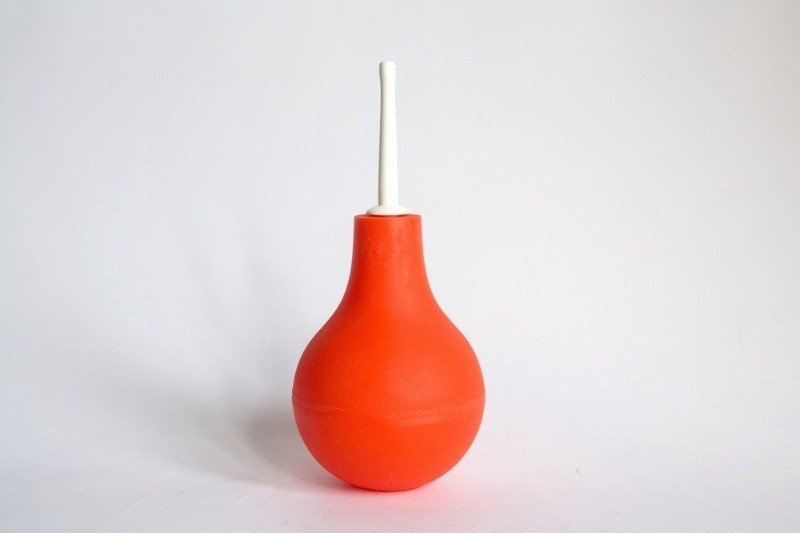
A bulb syringe is a small rubber device with a soft tip designed to remove mucus from a baby’s nose. When the bulb is squeezed, air is pushed out. Releasing the bulb creates suction that pulls mucus into the syringe.
It is commonly included in newborn care kits and is considered a simple, inexpensive tool for managing baby's stuffy nose symptoms at home.
When Should You Use a Bulb Syringe?
You may use a bulb syringe when your baby
- Has noticeable nasal congestion
- Struggles to breathe comfortably through the nose
- Has difficulty feeding because of a blocked nose
- Wakes frequently due to congestion
- Has mucus visible near the nostrils
For best results, many pediatricians suggest using it before feedings and before bedtime, when clear nasal passages can make breathing and sucking easier.
Try This: Signs, Causes, Treatment and Care Tips for Fever in Babies
How to Use a Bulb Syringe Safely?
Here is your guide to using bub syringe:
Step 1: Gather Your Supplies
You will need:
- A clean bulb syringe
- Saline nasal drops or spray
- Soft tissues or a clean cloth
Having everything ready helps keep the process quick and reduces stress for both you and your baby.
Step 2: Position Your Baby
Lay your baby on their back with their head slightly tilted back. You can place a small rolled towel under the shoulders if needed.
A calm, secure position helps prevent sudden movements during nasal suction for babies.
Step 3: Add Saline Drops
Place 1–2 saline drops into one nostril and wait about 30–60 seconds.
Saline helps loosen thick mucus, making suction more effective and gentler on the delicate nasal tissues.
Step 4: Create Suction
Squeeze the bulb completely before placing the tip near the nostril.
This is the most important step. If you squeeze after inserting the tip, you may push air into the nose instead of removing mucus.
Step 5: Insert the Tip Gently
Insert only the tip of the bulb syringe into the nostril. Do not push it deeply.
Release the bulb slowly so it can draw the mucus into the syringe.
Step 6: Remove and Clean
Remove the syringe and squeeze the mucus onto a tissue. Repeat the process for the other nostril if necessary.
Use gentle suction rather than repeated aggressive attempts, which can irritate the nose.
How Often Should You Use it?
A common question parents ask is how often is too often?
In most cases, 2–4 times per day is enough. Excessive suction can cause:
- Nasal irritation
- Swelling inside the nostrils
- Increased mucus production
- Minor nosebleeds in sensitive babies
If congestion persists for several days despite gentle suction and saline, contact your pediatrician for further guidance.
Bulb Syringe vs. Nasal Aspirator
Many parents compare a bulb syringe with a modern nasal aspirator.
| Feature | Bulb Syringe | Nasal Aspirator |
| Cost | Usually inexpensive | Often more expensive |
| Ease of Cleaning | Moderate | Often easier |
| Suction Control | Limited | Better control |
| Portability | Excellent | Good |
| Recommended For Newborns | Yes | Yes, if used correctly |
Both devices can be effective. The best choice is the one you can use gently, consistently, and hygienically.
Must Try: Is Newborn Sneezing Normal or a Cause for Concern?
Common Mistakes Parents Should Avoid
Here they are:
Using It Without Saline
Dry mucus is difficult to remove and may cause discomfort. Saline softens the mucus and makes suction more effective.
Inserting It Too Deeply
A baby’s nasal passages are very small. Deep insertion can irritate the lining and cause swelling.
Reusing It Without Cleaning
Moisture trapped inside the bulb can allow bacteria or mold to grow. Always clean it thoroughly after each use.
Suctioning Repeatedly
More suction is not always better. Gentle, limited use is safer and usually works just as well.
How to Clean a Bulb Syringe?
Proper cleaning is essential for safe baby nasal congestion care.
Simple Cleaning Steps
- Fill a bowl with warm soapy water.
- Squeeze the bulb and draw the soapy water inside.
- Shake gently and squeeze it out.
- Repeat with clean warm water several times.
- Squeeze out as much water as possible.
- Allow the syringe to air dry completely with the tip facing downward.
Replace the bulb syringe if it becomes cracked, sticky, discolored, or difficult to clean.
Signs Your Baby Needs Medical Attention
A baby's stuffy nose is often caused by a cold or dry air, but seek medical advice if your baby:
- Is younger than 3 months and has a fever
- Has difficulty breathing even after suctioning
- Shows bluish lips or skin
- Refuses several feedings in a row
- Has wheezing, persistent coughing, or unusual lethargy
- Has congestion lasting more than 10–14 days
These symptoms may indicate a more serious condition that requires professional evaluation.
Tips to Reduce Baby Nasal Congestion Naturally

Along with a bulb syringe, you can help your baby by:
- Using a cool-mist humidifier
- Keeping the room comfortably humidified
- Offering frequent feedings to maintain hydration
- Keeping your baby away from cigarette smoke and strong fragrances
- Gently wiping away visible mucus with a soft cloth
These measures can reduce irritation and make how to use a bulb syringe more effective when suction is needed.
Conclusion
A bulb syringe is a simple but valuable tool for relieving baby nasal congestion and helping infants breathe more comfortably. We discussed what a bulb syringe is, when to use it, step-by-step suction instructions, cleaning methods, safety precautions, and signs that require medical attention. The key is to use it gently, with saline drops, and only as often as necessary. Proper technique can make feeding easier, improve sleep, and reduce discomfort during a cold or seasonal congestion.
For more trusted parenting guidance, newborn care tips, and practical family health advice, continue exploring the expert resources available on ParentalMastery.com. When your baby is congested, a calm approach and gentle care can make a remarkable difference. Start with saline, use suction carefully, and trust that simple, consistent steps often provide the greatest comfort.
FAQs
Can a Bulb Syringe be Used for a Newborn’s Mouth?
A bulb syringe may sometimes be used to remove excess mucus or spit-up from a newborn’s mouth, especially immediately after birth under medical guidance. At home, it should only be used gently and when clearly necessary. Routine mouth suctioning is generally not recommended without advice from your pediatrician.
Is it Normal for Babies to Cry During Nasal Suction?
Yes. Many babies cry because they dislike being held still or having something placed near their nose. Crying does not necessarily mean the procedure is harmful. Use a calm voice, work quickly, and stop if your baby becomes extremely distressed or if you notice any bleeding or unusual discomfort.
Can a Bulb Syringe Spread Germs Between Siblings?
Yes. A bulb syringe should be considered a personal hygiene item. Sharing it between children can transfer viruses, bacteria, or other germs. Use a separate syringe for each child, label them if necessary, and clean each device thoroughly after every use to reduce the risk of cross-contamination.
Should I Use Warm or Cold Saline Drops?
Room-temperature saline is usually the most comfortable choice for infants. Very cold saline may feel unpleasant, while hot liquid can be dangerous. If the saline has been stored in a cool place, allow it to sit at room temperature for a few minutes before using it in your baby’s nose.
How Long Does a Bulb Syringe Usually Last?
A high-quality bulb syringe can last for several months with proper cleaning and drying. Replace it sooner if the rubber becomes cracked, sticky, discolored, develops an odor, or no longer creates strong suction. Regular inspection helps ensure safe and effective use for your baby’s nasal care.
This content was created by AI


