Related Articles
Postpartum Yoga: 10 Gentle Poses for Easier Recovery

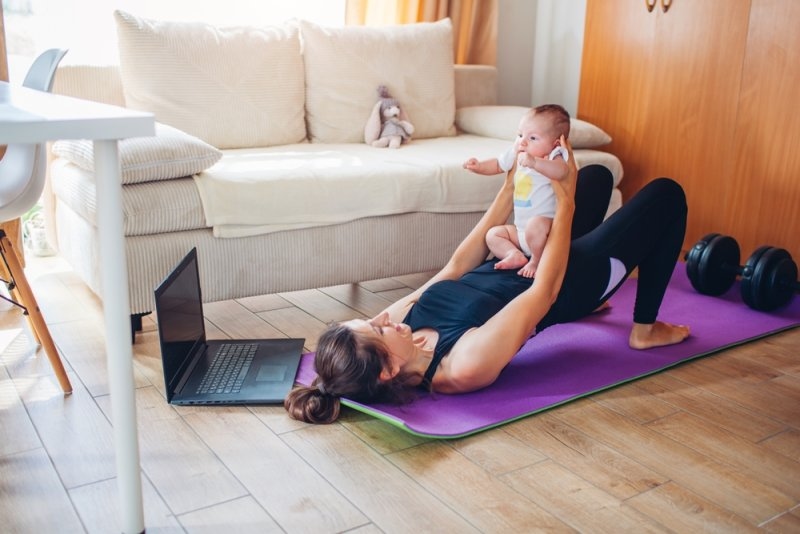
Somewhere between the 3 a.m. feed and that basket of laundry you keep promising to fold, your body is still quietly healing. Nobody really tells you that part. Postpartum yoga isn't one more task to squeeze into an already impossible day. It's a handful of honest minutes to breathe, stretch, and remember that you're recovering from something huge, too — even if the baby is getting most of the attention right now. Here's a walk-through of ten gentle poses, plus the timing and cautions you'll actually want to know before you roll out a mat.
Quick Takeaways
- Postpartum Yoga rebuilds strength slowly, and slow is genuinely fine here.
- Wait for medical clearance, usually around your six-week checkup, first.
- These postpartum recovery exercises help with tension, fatigue, and tired-out days.
- If something pulls or hurts, stop — your body gets the final say.
- Yoga after pregnancy can steady both your sleep and your mood.
Is It Too Soon to Start Yoga After Pregnancy?
Honestly? It depends. Vaginal births often allow gentle movement a little sooner, once your doctor gives the green light. C-sections usually need closer to eight weeks, since that abdominal tissue takes its own sweet time to heal.
If you notice bleeding, sharp pain, or dizziness while moving, stop and call your provider right away — don't push through it. And once you are cleared, ease in slowly. This isn't a comeback tour. It's just you, coming back home to your own body.
Your Pose-by-Pose Postpartum Yoga Journey
You don't need to do all ten every day. Some mornings you'll have five minutes, other days maybe twenty — both count. Here's what each pose actually does for you.
1. Seated Breathing (Pranayama)
Start here, always. Sit comfortably, rest your hands on your belly, and breathe slowly through your nose. It sounds almost too simple, but it genuinely quiets a nervous system that's been running on broken sleep and constant alertness.
2. Cat-Cow Stretch
On hands and knees, arch and round your spine gently with each breath. This melts away the stiffness that builds up from hours of nursing, rocking, and hunching over a bassinet without even realizing you're doing it.
3. Child's Pose
Sink your hips toward your heels, arms stretched out ahead of you. It's instant relief for a tired lower back, and honestly, it doubles as a quiet little hiding spot on days when everything feels a bit too much.
4. Pelvic Tilts
Lying down with knees bent, gently rock your pelvis forward, then flatten it back. It's an unglamorous little movement, but it quietly starts waking up your core and pelvic floor after everything they've just been through.
5. Modified Bridge Pose
Lift your hips slightly off the floor, keeping your feet planted, then lower back down slowly. Keep it small. This gently rebuilds glute and lower-back strength without putting pressure on abdominal tissue that's still finding its way back.
6. Seated Forward Fold
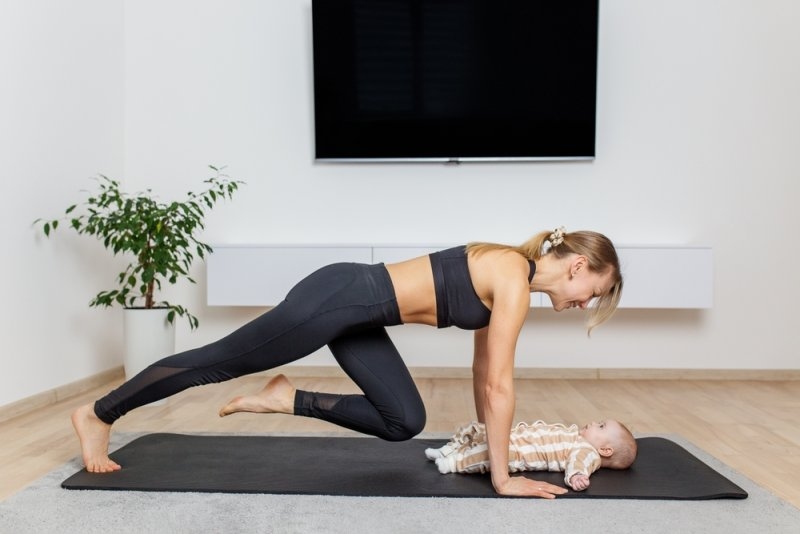
Sit with legs out in front, folding forward only as far as actually feels comfortable. It loosens hamstrings that have gone stiff from weeks of sitting through feeds, rocking chairs, and general new-mom stillness.
7. Legs-Up-the-Wall
Lie back and rest your legs against a wall, sofa arm, or headboard for a few minutes. It sounds a little silly the first time you try it, but it eases swollen, tired legs faster than almost anything else here.
8. Gentle Side Stretch
Sitting or standing tall, reach one arm overhead and lean softly toward the other side. This opens up a rib cage that's often compressed from hours of nursing posture and carrying a baby balanced on one hip.
9. Reclined Butterfly
Lie down, soles of your feet together, knees falling gently open toward the floor. Nothing to force or push here. It just softens hips that have quietly carried an enormous amount of weight and pressure lately.
10. Corpse Pose (Savasana)
End here, no matter how short your practice was. Lie flat, close your eyes, breathe for a minute or two. This final stillness is, honestly, where most of the real recovery quietly settles in.
Move slowly through each one, and don't feel guilty skipping anything that pulls, pinches, or just doesn't feel right that day.
Must Try: What Are Weird Pregnancy Symptoms In Pregnant Women?
What Should You Pair With Your Practice?
Yoga works better alongside a few small, realistic habits — nothing fancy, just consistent. These pair well with your broader postpartum exercise routine.
- Stay hydrated often, especially if you're breastfeeding around the clock.
- Wear soft, supportive clothing that won't restrict movement or breathing.
- Practice on a light stomach, ideally a few hours after eating.
- Keep early sessions to 10 or 15 minutes — that's genuinely plenty.
- Add short daily walks between sessions for gentle cardiovascular movement.
Cautions Every New Mom Should Know
Not every pose is ready for your body yet, and that's completely normal—not a setback. These postpartum recovery exercises deserve a little extra caution early on. Skip deep twists, intense core work, and inversions until you're fully cleared. Watch for diastasis recti, a common midline separation of the abdominal muscles after birth. Any doming or bulging along your stomach means it's time to modify or simply pause for now. A pelvic floor specialist can offer guidance built around your specific recovery. Gentle postnatal yoga really does support both physical and emotional healing, especially when practiced consistently rather than all at once.
How Do You Turn This Into a Lasting Habit?
Five honest minutes of breathing still count as real progress, even if it doesn't feel like much some days. Consistency beats intensity every time during this unpredictable season.
Consider a postnatal yoga class, or just a guided video made specifically for postpartum bodies. Practicing near other new mothers can ease the isolation many feel during those blurry early weeks, much like connecting over newborn struggles tends to. Shared experience just makes it all feel a little less lonely.
One Last Thought
Postpartum Yoga was never about bouncing back on anyone else's timeline. It's about quietly honoring what your body just pulled off, one breath at a time. Start small, be patient with yourself, and let every tiny win actually count.
Also Read: Why is your Baby Crying in Sleep and How to Soothe Them?
FAQs
When can I start postpartum yoga after a C-section?
Most doctors recommend waiting at least eight weeks after a C-section before starting yoga. Always get medical clearance first, since abdominal healing timelines vary between individuals and depend on surgical recovery progress.
Is yoga after pregnancy safe for everyone?
Generally, yes, once cleared by your doctor, though modifications matter. Women with complications like diastasis recti or pelvic floor issues should consult a specialist before starting any postnatal yoga routine.
How often should I practice postnatal yoga?
Starting with two to three short sessions weekly works well for most new mothers. Gradually increase frequency as your strength and comfort improve, always prioritizing how your body feels.
Can postpartum yoga help with mental health?
Yes, gentle movement and breathwork can reduce stress, anxiety, and fatigue significantly. Many mothers find postnatal yoga supports emotional regulation and helps them feel calmer during a demanding transition period.
What if a pose feels uncomfortable?
Stop immediately if any pose causes pain, pulling, or unusual discomfort. Modify the movement, skip it entirely, or consult your healthcare provider before continuing that particular postpartum yoga pose.
This content was created by AI


