Related Articles
When Can Babies Safely Sleep on Their Stomach at Night?

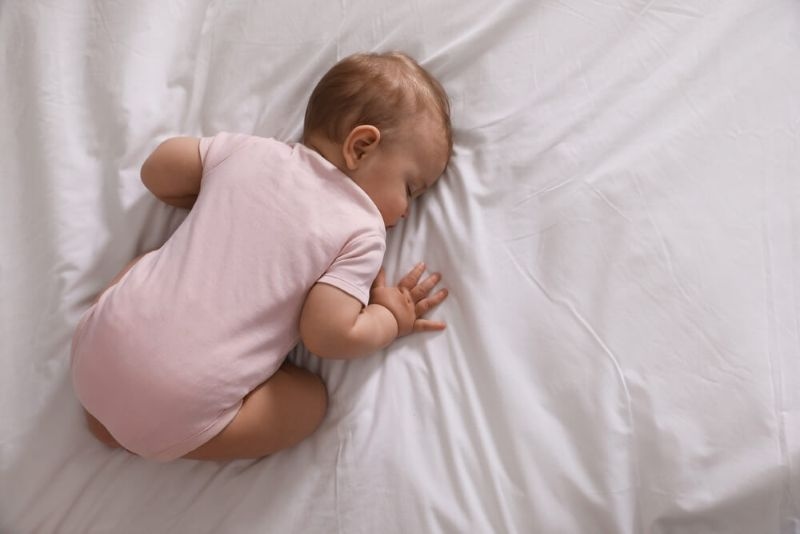
Babies sleep on stomach is a topic that makes many parents stop and think, especially at night. Questions about baby stomach sleeping age and safety often come up early.
This blog will help you to find out 'is stomach sleeping safe for babies?', clear baby sleep position guidelines, tummy sleeping baby facts, and stomach sleeping and SIDS properly.
Must Read: When Do Babies Drop to One Nap: Everything You Need to Know
Understanding Babies Sleep on Stomach
Babies sleep on stomach means a baby is resting face down while sleeping, with the stomach and chest touching the mattress. This position is often called tummy sleeping baby, and it usually becomes noticeable when babies start moving more during sleep.
In the early months, babies do not have full control over their heads and necks. Because of this, stomach sleeping can affect how easily air moves around the baby’s face. That is why baby sleep position guidelines focus on how babies are placed down to sleep, not just the position they end up in later.
Many parents also wonder about baby stomach sleeping age. Some believe stomach sleeping becomes safe once babies grow stronger. Others feel unsure even after babies begin rolling. This confusion is normal. Understanding what is recommended and why helps parents respond calmly instead of reacting with fear.
Babies can move a lot during sleep. Small shifts happen naturally. But placing a baby on the stomach from the start is different from a baby rolling on their own. That difference matters for safety and guidance.
Is Stomach Sleeping Safe for Babies?
Stomach sleeping safety depends on age, physical development, and how the baby is put to sleep. Health guidance stays careful with this topic for clear reasons.
Breathing Can Become Less Easy
When babies sleep on their stomachs, air does not move as freely around the nose and mouth. Babies may breathe air they have already exhaled. This is one reason why stomach sleeping for babies is usually answered carefully by experts.
Young Babies Cannot Adjust Easily
In the early months, babies cannot lift or turn their heads well. If breathing feels uncomfortable, they may not change position on their own. This makes tummy sleeping for a baby risky during early sleep stages.
Risk Is Higher in the First Year
Medical guidance shows a link between stomach sleeping and SIDS, especially during the first year. This does not mean harm will happen, but the risk is higher compared to back sleeping.
These safety concerns are why parents are advised to follow sleep rules even when a baby seems comfortable on the stomach.
Baby Sleep Position Guidelines That Parents Must Know
Clear rules help reduce stress. These baby sleep position guidelines focus on habits that support safer sleep without overthinking.
Always Place the Baby on the Back First
Babies should be placed on their backs at bedtime and during naps. Even if a baby later rolls over, the starting position matters. This applies to every baby's stomach sleeping age during the first year.
Keep the Sleep Space Clear and Firm
The mattress should be firm and flat. The sleep area should not contain loose items. If babies sleep on stomach unexpectedly, a clear space helps reduce breathing issues.
Allow Natural Rolling When Baby Is Ready
When babies can roll from back to stomach and stomach to back on their own, parents do not need to keep turning them over. At this stage, baby sleep position guidelines focus on safe surroundings rather than constant movement checks.
Following these rules helps parents feel confident while allowing babies to grow naturally.
Top Pick: The Ultimate Guide on How to Get a Toddler to Sleep at Night
Benefits of Tummy Sleeping Baby
Tummy sleeping often sounds negative, but it has a place during awake time. These benefits apply only when babies are awake and watched closely.
Helps Build Neck and Upper Body Strength
When babies spend time on their stomach while awake, they use their neck and arms more. This builds the strength needed for head control and movement. Stronger muscles support safer movement as the baby's stomach sleeping age increases.
Supports Natural Movement Development
Tummy time helps babies push, shift weight, and explore movement. These actions help babies learn balance and coordination over time.
Reduces Pressure on One Area of the Head

Spending time off the back helps spread pressure evenly. This supports natural head shape development without changing night sleep safety rules.
It is important to remember that these benefits do not mean stomach sleeping is recommended at night.
Importance of Stomach Sleeping and SIDS
Understanding stomach sleeping and SIDS helps parents see why sleep guidance stays consistent. This topic is about lowering risk, not creating fear.
The following list will help you understand the importance of the right sleep position:
Airflow Can Be Limited Face Down
When babies sleep face down, airflow may be reduced. This can affect breathing comfort. That is why stomach sleeping for babies is usually answered with caution.
Deeper Sleep Can Reduce Awareness
Some babies sleep more deeply on their stomachs. Deep sleep can make it harder for a baby to respond to breathing discomfort. This is one reason stomach sleeping and SIDS are linked.
Back Sleeping Is a Simple Safety Habit
Placing babies on their backs is an easy step that lowers overall risk. This habit remains central in baby sleep position guidelines throughout the first year.
These points explain why guidance stays focused on prevention rather than comfort alone.
Conclusion
Babies sleep on stomach should always be approached with care and understanding. Knowing the age when babies can sleep on their stomachs, safety rules, and connections to SIDS helps parents make informed choices. Clear habits and simple guidelines support safer sleep and steady development.
Frequently Asked Questions
1. What is the correct baby stomach sleeping age?
There is no fixed baby stomach sleeping age for placing babies face down. Babies should always be placed on their backs during the first year.
2. Is stomach sleeping safe for babies who roll by themselves?
Stomach sleeping is safe for babies who roll, depending on development. If a baby rolls both ways independently and the sleep space is safe, constant repositioning is not required.
3. Should parents worry if a tummy sleeping baby rolls at night?
If a tummy sleeping baby rolls after being placed on the back, parents can stay calm and focus on keeping the sleep area clear.
4. How do baby sleep position guidelines help reduce risk?
Baby sleep position guidelines focus on back sleeping, firm surfaces, and clear spaces. These steps reduce risks linked to stomach sleeping and SIDS.
5. Does tummy time change night sleep rules?
Tummy time helps strengthen and improve movement during the day. It does not change how babies should be placed for night sleep.
This content was created by AI


