Related Articles
Newborn Eye Discharge: What’s Normal And What Needs Help

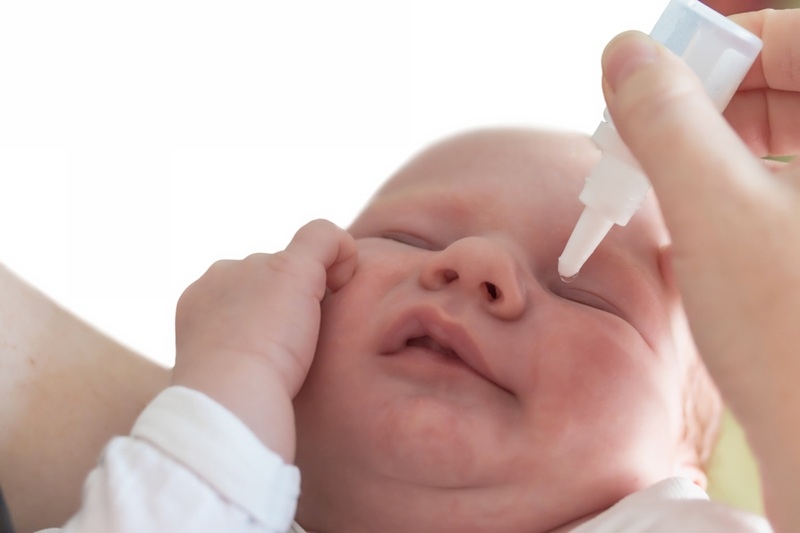
Seeing crusty or sticky stuff around a newborn’s eye can scare a parent fast. One second the baby looks peaceful, the next there’s a little yellow goo in the corner and the eyelids look stuck together. It’s uncomfortable to look at, and honestly, it feels unfair. Like, can babies get a break?
The good news is that newborn eye discharge is very common. In many cases, it’s not dangerous and clears up with simple care. Still, it’s important to know when it’s normal, when it’s a blocked tear duct, and when it could be an infection that needs medical attention.
This guide explains what causes it, how to clean it safely, and what to watch for, without making it complicated.
Newborn Eye Discharge
Newborn eye discharge usually appears as crust, sticky mucus, or wetness that collects in the inner corner of one or both eyes. Some parents describe it as “gunk” or “sleep” in the eye, except it keeps coming back even after wiping.
It can look like:
- clear watery tears
- white or pale yellow mucus
- thicker yellow-green discharge
- crust that dries on the lashes
The baby may still seem totally fine. Eating normally. Sleeping normally. No fever. Just… goop.
That’s why it helps to look at the full picture, not just the mess.
Why Newborns Get Goopy Eyes So Often
Newborns are still figuring out how to function in the world. Their tear ducts are tiny. Their immune systems are developing. Their eyes can react to light, wind, or even normal dust in the air.
The most common causes include:
- a blocked tear duct
- mild irritation from birth or rubbing
- common viruses or colds
- bacterial infection (less common, but possible)
Many babies also have discharge in only one eye, which often points to a tear duct issue rather than a full infection.
Newborn Goopy Eye: What Parents Usually Notice First
A newborn goopy eye often shows up in the morning. The baby wakes up and the eyelids look sticky, or the lashes look clumped. Parents clean it, feel relieved, then it comes right back a few hours later.
That cycle is typical with a blocked tear duct. Tears can’t drain properly, so fluid sits in the corner of the eye and collects mucus. It’s annoying, but it’s also common.
If the white part of the eye looks normal and the baby seems comfortable, it’s often not an emergency. Still, parents should keep an eye on the color and amount of discharge.
Newborn Blocked Tear Duct: The Most Common Reason
A newborn blocked tear duct happens when the tiny drainage pathway from the eye to the nose is not fully open yet. It can cause watery eyes and mucus buildup, especially when the baby cries or gets congested.
Signs that point to a blocked tear duct include:
- discharge mainly in one eye
- watery eye that looks “wet” most of the time
- mucus that returns soon after cleaning
- minimal redness in the eye itself
This usually improves on its own over time. Many babies outgrow it in the first few months, though it can last longer in some cases.
How To Clean Newborn Eye Discharge Safely
Parents don’t need anything fancy. No harsh wipes. No soaps. No random home remedies.
Here’s how to clean newborn eye discharge in a gentle way:
- Wash hands first
- Use a clean cotton pad or soft cloth
- Dip it in warm water (not hot)
- Wipe from the inner corner outward
- Use a fresh pad for each wipe
- Use a new pad for the other eye too
That last part matters. If one eye is infected, using the same cloth can spread it.
Also, be gentle. Newborn eyelids are delicate, and scrubbing can irritate the skin and make things worse.
Massage For A Blocked Tear Duct: Does It Help?
Some pediatricians recommend a gentle tear duct massage. It’s usually done by placing a clean finger near the corner of the eye (close to the nose) and applying gentle pressure downward. The goal is to help open the duct and improve drainage.
A parent should only do this if a healthcare provider shows them the right way. It’s simple, but technique matters. Too much pressure can irritate the area.
If discharge keeps returning daily, it’s worth asking the pediatrician if massage makes sense for that baby.
Check Out: Micro Preemies Care, Causes, Complications and Development
Newborn Eye Discharge Vs Infection: How To Tell The Difference
Here’s the tricky part. Discharge can look similar whether it’s harmless or infectious. That’s why parents often feel anxious, and that’s completely understandable.
Newborn eye discharge vs infection comes down to a few key signs:
Blocked tear duct signs:
- mild discharge, usually one eye
- watery tears
- little to no redness in the white of the eye
- baby acts normal
Possible infection signs:
- red or swollen eyelids
- red whites of the eye
- thick yellow or green discharge
- discharge increasing quickly
- baby seems uncomfortable or fussy when the eye is touched
If the eye looks truly inflamed or the baby has fever, parents should contact a pediatrician quickly.
How Long Does Newborn Eye Discharge Last?
This depends on the cause. A mild irritation might clear in a day or two. A cold virus might cause discharge for several days. A blocked tear duct can last longer.
Parents commonly ask: how long does newborn eye discharge last?
In many blocked tear duct cases, it can come and go for weeks or even months, gradually improving as the duct opens. If symptoms continue for a long time or keep getting worse, the baby should be evaluated.
The key is whether the baby’s eye looks healthy overall and whether the discharge is improving, staying the same, or escalating.
When Parents Should Call The Pediatrician
It’s always okay to call. Even if it turns out to be nothing serious, peace of mind matters.
Parents should call a doctor if:
- the eye is red and irritated
- swelling is noticeable
- discharge becomes thick, yellow-green, or constant
- the baby has fever or seems unwell
- the baby won’t open the eye
- symptoms spread to the other eye quickly
- discharge doesn’t improve over time
Some infections need prescription eye drops. Others need monitoring. Either way, a professional check is the safest call when signs look more serious.
Simple Ways To Prevent It From Getting Worse
Even when discharge is not infectious, hygiene helps prevent irritation and spread.
Practical tips:
- wash hands before touching the baby’s face
- clean the eye gently as needed
- avoid using the same towel for multiple family members
- keep baby’s nails trimmed to prevent rubbing injuries
- wash cloths and bedding regularly
Small habits make a difference, especially in the newborn stage when everything feels delicate.
Read More: When Can Babies Safely Sleep on Their Stomach at Night?
Conclusion: What Parents Should Remember
Here’s the second mention, spaced out: newborn eye discharge is often a normal newborn issue, especially when linked to a tear duct that hasn’t opened fully yet. It looks worse than it is most of the time.
Also, spaced out for the second keyword use: a newborn goopy eye can come from simple drainage problems and doesn’t always mean infection. A newborn blocked tear duct is one of the most common reasons discharge keeps returning after cleaning. Knowing how to clean newborn eye discharge gently helps prevent irritation and keeps the baby comfortable. And yes, parents are right to wonder how long does newborn eye discharge last, because some cases stick around longer than expected. Finally, understanding newborn eye discharge vs infection helps parents notice when it’s time to get medical care.
FAQs
Is Newborn Eye Discharge Normal In The First Weeks?
Yes. It’s common and often caused by a blocked tear duct or mild irritation. Parents should watch for redness, swelling, or worsening discharge.
Can Newborn Eye Discharge Clear Up Without Medicine?
Yes. Many cases improve with gentle cleaning and time. If an infection is suspected, a pediatrician may prescribe drops or ointment.
When Should A Parent Worry About Eye Discharge In A Newborn?
Parents should seek medical advice if the eye is red, swollen, producing thick yellow-green discharge, or if the baby seems unwell or has a fever.
This content was created by AI


