Related Articles
5 Signs Your Baby Growth Spurts Are About To Begin

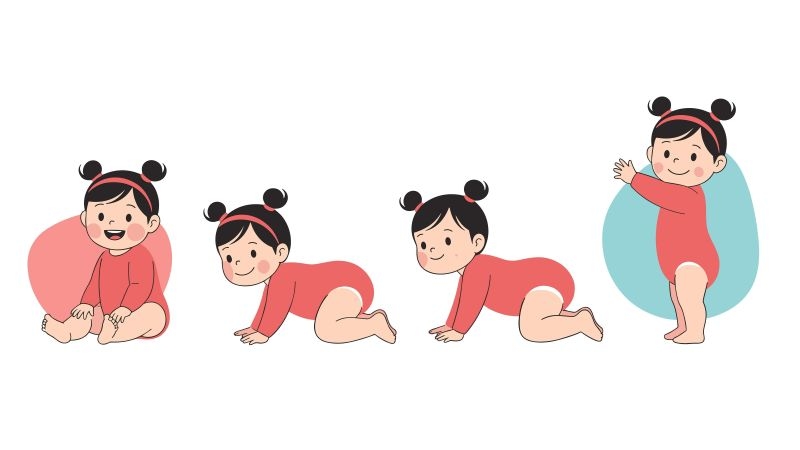
One day the baby is calm, feeding normally, and sleeping in a way that makes a parent think, “Oh wow, we’re getting the hang of this.” Then the next day, everything shifts. The baby wants to feed nonstop, naps get weird, and fussiness shows up out of nowhere. Parents start checking the room temperature, the diaper, the schedule, and maybe their sanity.
Sometimes, it’s not a problem. It’s a growth spurt.
Baby growth spurts are short phases where babies grow rapidly and often act like tiny, hungry, restless humans for a few days. It can be intense, especially the first time it happens. The upside is that these phases usually pass quickly. The trick is recognizing them early so parents don’t spiral into “what are we doing wrong” mode.
This guide covers five common signs growth spurts are about to begin, plus practical ways to ride it out.
Baby Growth Spurts And Why They Feel So Sudden
A growth spurt is a period of accelerated growth. Babies may gain weight, length, and even show new developmental changes around the same time. Growth requires energy. Energy requires feeding. That’s why behavior often changes.
The most frustrating part is that babies don’t send a calendar invite. They just start acting different and expect parents to keep up.
If a parent is wondering when do babies have growth spurts, the most common timing often clusters around early weeks and months. Many parents notice changes around 2 to 3 weeks, 6 weeks, 3 months, and 6 months, but every baby is unique. Some have more noticeable spurts, some have subtle ones.
Sign 1: Feeding Suddenly Increases And Feels Nonstop
This is usually the loudest clue.
During baby growth spurt signs, many babies want to feed more often than usual. Breastfed babies may cluster feed, meaning they want short, frequent feeds for hours. Formula-fed babies may seem hungrier sooner and finish bottles more quickly.
It can feel like the baby is never satisfied. That can worry parents, but increased feeding is a normal way babies support growth and stimulate milk supply if breastfeeding.
What helps:
- Offer feeds on demand rather than forcing the old schedule
- Burp more often if feeds become faster
- Watch diaper output to confirm baby is still well-hydrated
- Stay calm, even if it feels like the baby is “eating the whole day”
If the baby seems lethargic, isn’t producing wet diapers, or is vomiting forcefully, it’s worth checking in with a pediatrician. Growth spurts cause hunger, but they shouldn’t cause alarming symptoms.
Sign 2: Sleep Patterns Shift In Confusing Ways
Parents often assume growth spurts mean more sleep. Sometimes that happens. Sometimes it’s the opposite.
A newborn growth spurt may cause baby to wake more often at night due to increased hunger. In other cases, baby may nap longer than usual because growth takes energy.
This is why sleep feels inconsistent during spurts. Baby may:
- Wake more often to feed
- Nap shorter but more frequently
- Seem restless and harder to settle
- Sleep longer after intense feeding periods
What helps:
- Follow baby’s cues instead of fighting the day
- Keep bedtime routines consistent, even if timing shifts
- Use contact naps if needed to avoid overtired meltdowns
- Accept that this is temporary
Sleep can look chaotic for a few days, then suddenly normalize. That snap-back effect is common.
Sign 3: Fussiness Increases Without An Obvious Reason
Fussiness is one of the most misunderstood baby growth spurt signs because parents look for a clear cause. But during spurts, babies can feel unsettled, clingy, and harder to soothe even when everything else seems fine.
They may cry more, want constant holding, or get frustrated at the breast or bottle because they want to eat quickly but also need comfort.
What helps:
- Use skin-to-skin time to calm baby’s nervous system
- Try gentle rocking, swaddling, or white noise if baby likes it
- Keep stimulation low when fussiness peaks
- Take breaks, because parental stress can rise fast during this phase
A growth spurt baby isn’t being difficult on purpose. They’re just going through a lot, and their only language is behavior.
Sign 4: Baby Wants More Closeness And Contact

During growth spurts, many babies suddenly want to be held constantly. They may cry when put down, even if they were okay with a bassinet yesterday.
This is not “spoiling.” It’s biology. Babies seek comfort when their bodies are changing quickly. Contact helps regulate temperature, heart rate, and stress.
Parents may notice:
- More contact napping
- More need for rocking or bouncing
- More clinginess during evenings
- More comfort feeding
What helps:
- Use baby wearing to keep hands free while meeting baby’s need
- Lower household expectations for a couple days
- Ask for help with meals or chores if possible
- Remember this phase passes, even if it feels endless at 2 a.m.
This is also where parents start wondering again when do babies have growth spurts, because it can feel like they happen back-to-back. In reality, babies grow rapidly in the first year, so spurts can feel frequent.
You May Also Like: Real Talk on Gentle Parenting: Why It's Hard but Worth It
Sign 5: Small Developmental Shifts Show Up
Growth spurts often overlap with development. Sometimes parents notice that right after a rough few days, baby seems to “level up.”
They may:
- Look more alert
- Track faces more clearly
- Show stronger head control
- Seem more aware of surroundings
- Develop new social behaviors like smiling more
These changes aren’t guaranteed, but they are common. It’s like the body and brain are doing upgrades at the same time, and that’s why everything feels intense.
Parents might also notice clothing fitting differently soon after.
How Long Do Baby Growth Spurts Last
Most spurts last a few days, often 2 to 5 days. Some last a week. The intensity varies.
The easiest way to think about it is:
If baby suddenly changes behavior, and everything else checks out, give it 48 hours and watch patterns. Many spurts announce themselves strongly and then fade.
Also, remember that not every tough day is a growth spurt. Teething, illness, overstimulation, and routine shifts can mimic spurt behavior. If parents feel unsure, pediatric guidance is always reasonable.
What Parents Can Do To Get Through It
A few realistic tips help parents feel more in control:
- Feed on demand and focus on hydration
- Keep baby close when they need comfort
- Protect rest whenever possible, even in short naps
- Simplify the day and drop non-essential tasks
- Stay consistent with safe sleep practices, even when exhausted
Parents should also take care of themselves. Eat something. Drink water. Ask for help. A baby going through baby growth spurts can make parents forget basic needs.
Newborn Growth Spurt Reality Check
The second mention of newborn growth spurt matters because the early weeks are often the most intense. Baby is still learning how to eat efficiently, the parent is adjusting to sleep disruption, and everything feels new.
If a newborn wants to feed constantly for a day or two, it can be normal cluster feeding. If baby seems to be growing and diaper output is good, it’s often part of a spurt rather than a problem.
Parents don’t need to “fix” it. They just need to support it and ride it out.
Baby Growth Spurt Signs Versus Red Flags
The second mention of baby growth spurt signs is important because parents shouldn’t dismiss real concerns.
Contact a pediatrician if baby has:
- Fever in a young infant
- Poor feeding with fewer wet diapers
- Breathing difficulty
- Persistent vomiting
- Extreme lethargy
- Signs of dehydration
Growth spurts can be tiring. They should not look like illness. Trust instincts.
Read More: Egg Quality Diet: Simple Food Steps That Support Fertility
Conclusion: When Do Babies Have Growth Spurts And What To Expect Next
The second mention of when do babies have growth spurts is a reminder that timing varies. Many families notice patterns around certain ages, but babies don’t follow identical timelines.
The best approach is watching the baby, not the calendar:
- If hunger jumps suddenly
- If sleep shifts
- If fussiness rises
- If baby wants extra closeness
Those patterns often signal a spurt regardless of the baby’s exact age.
FAQs
1. How Can Parents Tell If It’s A Growth Spurt Or Something Else
Growth spurts usually include increased feeding, sleep changes, and fussiness, but baby still seems generally well and has normal diaper output. If red flags appear, check with a pediatrician.
2. How Long Do Baby Growth Spurts Usually Last
Most last 2 to 5 days, though some can last about a week. Behavior often returns to normal quickly once the spurt passes.
3. Should Parents Increase Formula Or Feeding During A Growth Spurt
Babies often need more milk during spurts. Feeding on demand and watching diaper output is usually the best approach. For specific feeding concerns, pediatric advice helps.
This content was created by AI


