Related Articles
Signs, Causes, Treatment and Care Tips for Fever in Babies

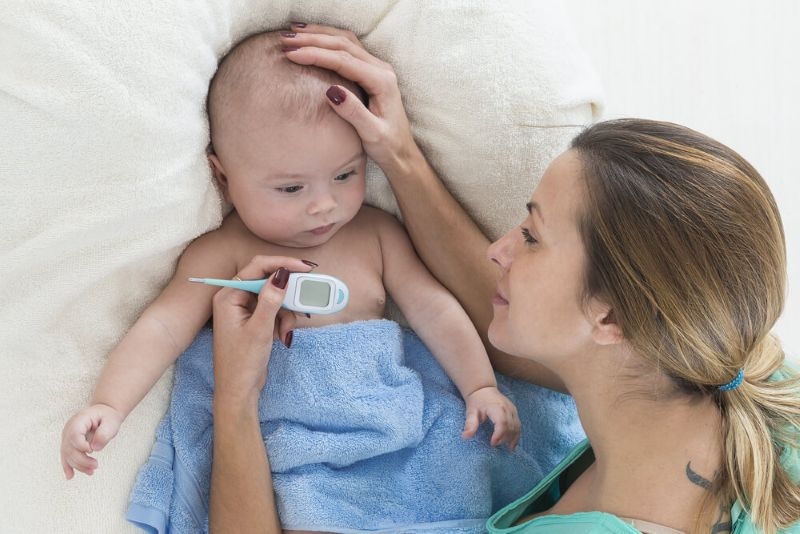
Babies get fevers. It happens more often than many parents expect, but it still feels scary the first time. A warm forehead, fussiness, sudden crying at night — small changes can make parents anxious fast. Yet fever itself is not always the real problem. Most of the time, a fever just means your baby’s body is working hard—fighting off an infection or reacting to something as simple as a vaccine. The hard part is knowing what matters and what does not. When should you worry? What temperature is too high? In this blog, we will talk about Fever in Babies, common signs, causes, treatment, safe care tips, plus when medical help becomes necessary.
Understanding Fever in Babies and What it Means
It’s usually not a big deal. In babies, a fever shows up when their temperature goes above 100.4°F (38°C) with a rectal thermometer.
Sometimes, babies feel warm just because they’re bundled up, or it’s hot outside. You might notice their cheeks are flushed, they’re sweaty, or they seem sleepier than usual. That is different from an actual fever. Checking the temperature properly matters. Guesswork does not help much here.
What is a Normal Fever for a Baby?
The phrase normal fever for a baby sounds confusing because fever itself is not “normal,” yet mild temperature changes happen. A healthy baby's body temperature can shift during the day. It may go a bit higher after crying, feeding, or warm weather.
For most babies, anything around 97°F to 100.3°F may still fall into a normal range depending on how it is checked. Once the temperature reaches 100.4°F or more, it is usually treated as a fever. Babies under 3 months need extra attention, even with a mild rise.
Don't Miss: What is Newborn Grunting, Its Causes, & How to Manage it?
Common Signs of Fever in Babies Parents Should Notice
Parents usually notice something feels off before seeing the thermometer result. Babies cannot explain discomfort. Their behavior changes first.
Physical Signs of Fever in Babies You May See
The obvious sign is warmth, especially on the forehead, stomach, or back. But there is more to watch for. Some babies become red-faced, sweaty, or unusually sleepy.
Here’s what to watch for if you think your baby has a fever:
- Warm skin and a red face
- More fussiness or crying
- Not as interested in feeding
- Sleeping more than usual
- Low energy or unusual quietness
- Mild shivering or sweating
Not every baby checks all the boxes. Some look totally fine even with a fever, while others seem pretty miserable with just a mild one.
Behavioral Changes That May Signal a Fever
Sometimes you’ll see a change in their behavior before their temperature actually climbs. A baby may become clingy, restless, or harder to calm. Sleep patterns shift. Feeding suddenly becomes difficult.
But some babies go the opposite direction — they become too sleepy or less responsive. That deserves quick attention, especially in younger infants.
Common Causes of Fever in Babies You Should Know
Parents often panic and assume the worst. Most times, the cause is something common.
Viral Infections as Common Causes of Fever in Babies
Viral infections are among the biggest Causes of Fever in Babies. Simple illnesses like colds, flu, stomach bugs, or viral throat infections can raise body temperature.
These fevers often improve within a few days. Besides fever, babies may have sneezing, coughing, loose stools, or blocked noses. It varies. Viruses are messy like that.
Bacterial Infections Sometimes Cause Higher Fevers
Bacterial infections can also trigger fever, though they sometimes feel more serious. Ear infections, urinary tract infections, pneumonia, or bloodstream infections may be involved.
A baby with a bacterial infection may seem very uncomfortable, unusually sleepy, or hard to settle. Some babies feed less, too. Doctors usually look at age, symptoms, plus temperature pattern.
Vaccines and Mild Fever Reactions
After vaccinations, babies sometimes develop a low-grade fever. This is fairly common. The immune system is responding — which sounds dramatic, but often passes quickly. The fever may last a day or two. Mild fussiness, sleepiness, or tenderness around the injection spot can happen, too.
Suggested Reading: When Can Babies Safely Sleep on Their Stomach at Night?
Safe Treatment Options for Fever in Babies
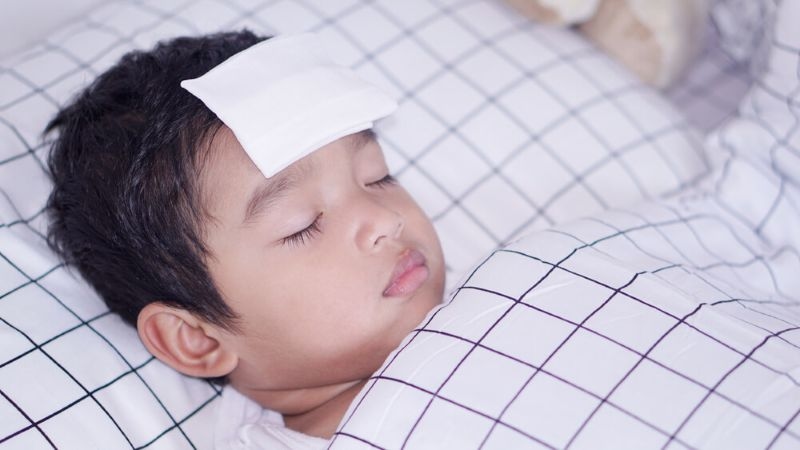
Treatment depends on age, temperature, and how the baby behaves. The number on the thermometer matters, but behavior matters too.
Medicines That May Help Lower Fever
Doctors sometimes recommend fever reducers like infant acetaminophen for babies over a certain age. Dosage matters a lot — never guess it. Avoid giving medicine without checking age guidelines or asking a doctor if the baby is very young.
When Medicine May Not Be Necessary
A mild fever does not always need treatment. Sometimes the goal is comfort, not forcing temperature down. If the baby is feeding okay, alert, and not overly uncomfortable, monitoring may be enough. Fever can be part of healing. Strange but true.
Also Read: 5 Signs Your Baby Growth Spurts Are About To Begin
Conclusion
Fever in babies can feel frightening, especially during the first few times. But fever itself is often a symptom, not the illness. The body may simply be fighting infection. What matters most is the baby’s age, behavior, temperature, plus how long symptoms last. Watch feeding, sleep, mood changes, and energy levels. Small details matter more than panic. Some fevers pass quietly with rest and fluids. Others need quick medical care. Staying calm helps, even if it feels difficult at 2 a.m. with a crying, warm baby in your arms.
FAQs
Can room temperature affect a baby’s body heat?
Yes, it can. If the room’s too hot or the baby’s bundled up in a bunch of clothes, they might feel warmer than usual. But don’t call it a fever just yet — it's not the same thing. Always check their temperature before you start worrying about them being sick.
Is it safe to wake a sleeping baby with a fever?
You don’t always have to. If your baby’s breathing fine, looks comfortable, and eats pretty well when they’re awake, let them sleep. Sleep helps them recover anyway. But if you can’t wake them easily or they seem way too sleepy, have a doctor take a look.
Can babies get a fever from overheating outside?
Sure, being too hot can boost their body temperature for a bit, especially in summer. Heavy blankets, hot rooms, or hanging outside too long can all play a part. Still, if the fever sticks around, it's probably more than just heat — that's when you should start thinking about illness.
Should a baby eat less when they have a fever?
Babies often have less of an appetite when they’re feverish. That’s normal. Just make sure they’re getting enough fluids—breast milk or formula is perfect, even if they only want small amounts. If your baby keeps refusing to eat or starts showing signs of dehydration, call your doctor.
This content was created by AI


