Related Articles
Why is your Baby Crying in Sleep and How to Soothe Them?

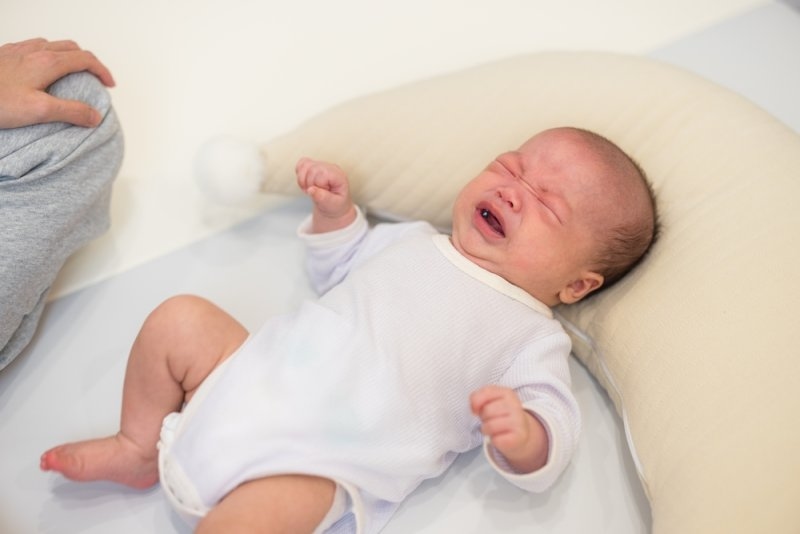
It can be quite frightening to hear your baby crying in the middle of the night. It's only natural that parents rush to the crib ready to help their sleepy, unhappy infant. However, you might notice something strange – your baby is crying, whimpering, or fussing while still asleep.
If you've experienced this, rest assured, you're not alone. Sleep crying is very common in infants and often associated with the stages of a baby's development. According to pediatric sleep specialists, babies spend nearly 50% of their sleep time in active sleep, the same sleep stage as REM sleep in adults, making them more likely to move around, make noises, and cry during sleep.
This guide will cover the following points in more detail: why is your baby crying in sleep but not awake; when this should be considered a normal sleep behavior and when it should cause you alarm; and how to calm a Crying Baby without hindering their sleep.
Why is My Baby Crying in Their Sleep?
Throughout the night, babies cycle through the various stages of sleep. In the lighter stages of sleep, they may grunt, whimper, fuss, laugh, or smile before settling back into a deep sleep. Crying in their sleep will typically only last a few seconds or a minute before your baby has gone back to sleep.
Scientific evidence suggests that newborns sleep for an average of 14-17 hours a day, but their sleep cycle is much shorter than ours, typically lasting 40-60 minutes. These cycles can explain short, unexplained crying episodes as your baby transitions between sleep stages.
If your baby appears settled afterward and does not wake, you do not need to be concerned; it is most likely just a developmental milestone.
What are the Causes of Infant Sleep Crying?
There can be many factors that cause babies to cry in their sleep, and here are the following:
Active sleep cycles
Babies spend a larger proportion of their sleep in active sleep than adults do; during active sleep, babies may twitch, move their eyes rapidly under the eyelids, and even make noises or cry briefly while asleep. Because the baby's brain is developing so rapidly, these sleep behaviors are considered normal.
Sleep transitions
Babies frequently move between sleep states throughout the night. Often, as they move from deep to lighter sleep, babies may vocalize or cry briefly before settling back into sleep. Parents can sometimes misinterpret this brief episode as full wakefulness, even though the baby is still technically asleep.
Overtiredness
Babies that are overtired have a greater difficulty progressing smoothly from one sleep stage to another and can cry, whimper, or whine while transitioning. It is sometimes said that overtired babies will be unable to settle. To avoid overtiredness, parents should ensure their baby is getting adequate naps and sleep for their age.
Hunger
Young babies have very small stomachs and need to wake for feeds regularly during the night. Occasionally, hunger signals are perceived before the baby actually wakes up, causing them to cry in their sleep.
Teething discomfort
Teething may start in infants as early as 4-7 months old, but babies who are teething will often become disturbed during sleep and may whimper or cry periodically throughout the night as the ache intensifies.
Growth spurts
Babies go through significant, sometimes rapid, growth spurts throughout their first year, which are believed to contribute to disturbed sleep patterns and can cause babies to cry during sleep.
Should Parents Be Concerned About Their Baby Crying in Sleep?
Usually, sleep crying in babies is nothing to worry about, but certain symptoms need parental awareness. Seek the help of a healthcare professional if:
- There is a fever accompanying the crying
- The baby is having trouble breathing
- Vomiting or spitting up is a frequent problem
- The baby is exceptionally lethargic
- They are pulling at their ears or are showing other signs of infection
- Baby cries incessantly for no apparent reason
- Their behavior drastically changes
For babies over 12 months, it is also advisable to contact a professional if the baby appears to have difficulty waking up after crying has ceased.
How to Soothe a Crying Baby Without Waking Them?
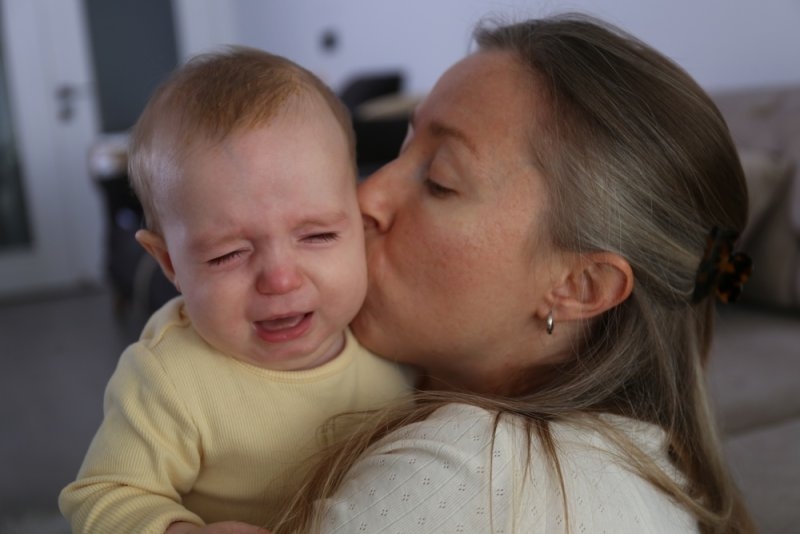
One of the most common mistakes parents make is immediately picking up their baby from the crib as soon as they hear their baby whimper or cry in their sleep. This often wakes a sleepy baby, hindering them from falling back asleep naturally. Instead, here are a few simple ways to help your baby without rousing them completely:
Wait for a minute or so
Sleep experts agree that you should wait up to a minute before responding. Many babies will automatically settle themselves back to sleep without any assistance if given a short window to do so.
Check the baby's room temperature
Baby's room should be maintained between 68F and 72F (20C and 22C). Overheated babies often cry out during the night and even in their sleep as they become uncomfortable. You might also want to make sure the baby isn't too cold.
Offer gentle reassurance
Place a hand softly on your baby's chest or stroke their head gently; many babies will only need physical comfort to get back to sleep and will soon feel settled again.
Maintain a consistent bedtime routine
Scientific evidence consistently shows that consistent bedtime routines greatly improve babies' sleep quality. A good routine should be calming and relaxing; bathing time, feeding time, story time, and singing a soft lullaby are common components of a baby's bedtime routine.
Ensure your baby is not hungry
Very young babies, or those who are only a few months old, may wake from hunger during sleep and settle back to sleep after a feeding. Discuss with your pediatrician how many feeds the baby actually needs during the night.
The Effect of a Baby's Age on Sleep and Crying
The nature of a baby's sleep-crying often varies with age, and here is how you can segregate them according to age:
For babies aged 0-3 months
Sleep crying is very common for this age group of infants. They are likely to cry mostly because their sleep cycles are not fully developed yet.
Between 4 and 12 months
A baby may cry in their sleep during teething phases or when developmental leaps are imminent. Separation anxiety also becomes a major cause for crying during sleep in babies around 8-12 months of age.
Toddlers
They are at an age where night terrors and nightmares become increasingly common causes of crying in sleep, which are usually nothing to be concerned about unless they become increasingly severe or frequent.
Could Night Terrors Be The Cause of Crying in My Baby's Sleep?
It is extremely uncommon, but it is possible that a baby could experience night terrors during sleep, although babies under 6 months usually do not. Night terrors are distinguishable from nightmares because the affected child appears to fully wake (sit up, cry intensely, etc.) but has no memory of what happened when they eventually wake fully. Night terrors occur when the brain has not yet transitioned to a light sleep stage, but they will still not cause lasting damage to your child.
When do Parents Need to Seek Medical Advice for their Baby's Crying?
While sleep crying can usually be ignored, certain factors may signal that medical assistance is necessary. The following can be indicative that something is wrong:
- Baby appears increasingly distressed.
- Sleep quality noticeably deteriorates.
- Baby stops waking to feed during the night, or feeding changes significantly.
It is vital for parents to be able to distinguish normal baby sleep crying from concerning crying.
Conclusion
Waking to your baby's cries during sleep can be worrying, but usually, a baby crying in sleep is considered a normal part of sleep. Babies go through various stages of sleep and rapid brain development, and often transition between light and deep sleep; these are most likely the causes of babies crying in their sleep, but not when awake, as many parents find most concerning.
The overall advice is to observe and then act. Short spells of baby crying in sleep that end by themselves are likely nothing to worry about. Setting up a regular sleep schedule and making sure the baby isn't overtired and is in a comfy sleeping environment will help prevent unnecessary sleep disturbances. If your baby's sleep-crying persists or there are signs of illness, a doctor is definitely your safest bet. Gaining knowledge about these sleep behaviors will make you feel much more confident in dealing with nighttime wake-ups.
FAQs
Can Sleep Training Help Reduce Baby Crying in Sleep?
Sleep training can help some babies learn to self-soothe their way through sleep cycles more independently. However, sleep training needs to be age-appropriate and discussed with your doctor. Often, crying in sleep is a perfectly normal developmental stage; sleep training may not always be needed and can be achieved through a good sleep schedule before considering sleep training methods.
Does Room Temperature Affect Night time Crying?
Yes, if it is too hot or too cold for the baby, the room may cause discomfort, which can contribute to crying. Generally, pediatric sleep experts say that nursery rooms should not be warmer than 20 °C to 22 °C (68 °F to 72 °F) so that overheating does not interfere with the baby's rest.
Can Digestive Issues Cause Babies to Cry While Sleeping?
Digestion discomfort in babies can cause distress. This may be in the form of gas or reflux, but even a simple tummy upset may be enough to disturb the baby. If crying persists after feeding, it may be a digestive issue. There is no harm in checking with a doctor for answers to your baby's digestive cry!
This content was created by AI


