Related Articles
What is Infant Botulism and How Can You Prevent it?


Key Takeaways
- Watch for warning signs like constipation, a weak cry, feeding problems, or your baby feeling especially floppy.
- Never give honey (in any amount or product) to babies under 12 months.
- If your baby suddenly gets weak, struggles to eat, or has trouble breathing, get medical help right away.
- Diagnosis means a good exam and usually a stool test.
- Infant botulism is serious, but if you catch it early and get help, it’s definitely treatable.
There’s almost nothing that jolts a parent quite like a sudden change in their baby’s behaviour. Your baby’s cry gets weaker, or maybe they’re extra sleepy or aren’t eating well. It’s easy to brush these things off as nothing, but sometimes, those little changes mean something bigger is going on—and you don’t want to ignore that.
Take infant botulism, for example. It’s rare, but it’s very serious and mostly affects babies under 1 year. In fact, Cleveland Clinic says about 95% of cases happen in babies under 6 months. The symptoms sneak up: it might start with constipation, poor feeding, a weak cry, or your baby just feeling really floppy. If it gets worse, you can even see breathing problems.
Here’s what’s reassuring: doctors can treat it, and early treatment really matters. (Don’t worry; we’ll get into all the details, including what infant botulism actually is, what causes infant botulism, how to spot it, how doctors handle it, and how you can lower your baby’s risk.)
What is Infant Botulism?
Infant botulism happens when Clostridium botulinum bacteria get into a baby’s gut and start making a toxin. Unlike adult food poisoning, the problem here isn’t from eating contaminated food—it’s the spores getting inside, growing in the digestive system, and cranking out a toxin that messes with how nerves and muscles talk to each other. And since it mostly creeps up slowly, you’ve really got to watch those early signs.
What are the Symptoms of Infant Botulism?
The symptoms of infant botulism may not appear all at once. Parents may first notice changes that seem minor. Common symptoms include:
- Constipation
- Poor feeding or a weak suck
- A weaker cry
- Drooling or difficulty swallowing
- Drooping eyelids
- Reduced facial expression
- Difficulty holding up the head
- Decreased muscle tone
- General weakness
- Difficulty breathing in severe cases
Cleveland Clinic notes that affected babies can remain alert and may not have a fever, despite developing significant muscle weakness.
When Should Parents Seek Help?
Don’t wait until things get worse. If your baby is suddenly weaker, can’t feed, cries much less, or seems to be working harder to breathe, call a doctor now—seriously. Breathing problems are the biggest emergency because this toxin can start to paralyse the muscles needed for breathing.
Must Try: Understanding Infant Gas Symptoms, Causes, and Remedies
What Causes Infant Botulism?
Botulism starts with spores—microscopic specks that live everywhere outdoors, especially in dirt and dust. When a baby swallows them, the spores can settle in the gut, multiply, and make that dangerous toxin.
Why is Honey a Concern?
Honey is the big one people know. Bacterial spores can hide in honey, so kids under one should never eat honey—not as a snack, not in a pacifier, not in a baked good, not even a drop. This isn’t common, but it’s the only preventable cause. In most cases, no one knows exactly where the spores came from.
How do Doctors Diagnose Infant Botulism?
First, the doctor will ask about symptoms and check your baby’s muscles and nerves.
Clinical Examination
They’re looking for patterns: constipation, then weak feeding, then muscle weakness. Other illnesses can look similar, so experience matters.
Laboratory Testing
Often, the doctor will send a stool sample to the lab to check for toxins or bacteria—but honestly, if they suspect botulism, they don’t wait for the lab. They start treatment.
How is Infant Botulism Treated?
Babies need to stay in the hospital. The main medicine is called BabyBIG—an immune globulin that neutralises the toxin. It’s given through an IV, and the sooner they get it, the better the outcome.
If a baby can’t breathe well, doctors give breathing support. Hospital care also helps monitor feeding and strength. Most babies don’t need antibiotics.
Can Infant Botulism Be Prevented?
Honestly, you can’t avoid every risk—spores are everywhere. But the #1 thing you can do is keep all honey completely away from babies under 12 months, including cooked or processed honey in any form.
Stick to well-washed, safe foods and talk to your paediatrician if you ever have a concern about unusual symptoms.
What is the Outlook for Babies With Infant Botulism?
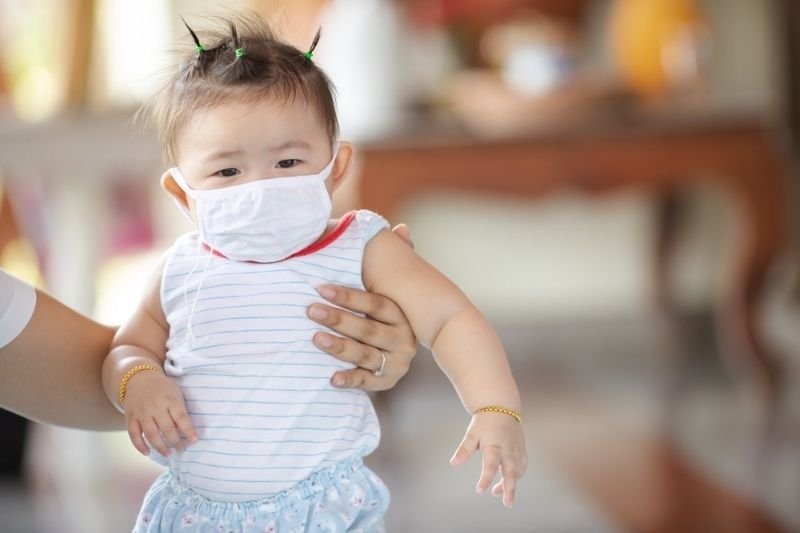
It’s scary, but here’s the good news: nearly every baby treated for infant botulism survives, and most recover fully, though it can take time. Some kids need longer care or a bit of physical therapy while they regain their strength.
Essential Reads: Tips For Cry Baby: Surviving With Your Infant On A Plane
The Bottom Line
Infant botulism is rare, but its first signs are easy to miss. If your baby gets constipated, stops eating well, cries less, develops droopy eyelids, or feels extra floppy, don’t brush it off. The bacteria’s spores settle in the gut and make a muscle-paralysing toxin. Since honey is the best-known risk, just avoid it completely before your toddler turns one. Diagnosis and treatment usually require a hospital stay, but the earlier you act, the better your baby will do. Trust your instincts—and if something feels off, get help.
If your baby suddenly gets weak, feeds poorly, or starts struggling to breathe, don’t wait. Get medical help right away.
Frequently Asked Questions
Is Infant Botulism the Same as Foodborne Botulism?
They’re related. Both involve toxins made by Clostridium botulinum, but infant botulism happens when spores start growing inside the gut, while foodborne botulism comes from eating food where the toxin has already formed. That’s why symptoms in babies develop more slowly.
Your baby’s safety is always worth a call to the doctor when something just doesn’t feel right. Trust yourself.
Can Infant Botulism Spread from One Baby to Another?
Naturally, no, infant botulism is not contagious. The infected babies can’t get this illness from each other just by being around, sharing food, or simply by staying in touch.
How Long Does Infant Botulism Take to Develop?
To be very honest, it’s quite slow. After spores get into the digestive tract, it usually starts with constipation and feeding problems, then gradually leads to more weakness. If you see these changes, act fast.
Does Infant Botulism Affect a Baby’s Brain?
Not directly. Botulism blocks nerve signals to the muscles, causing weakness or even paralysis, but it doesn’t attack the brain itself. Trouble swallowing or breathing means you need urgent medical care.
Can Breastfed Babies Get Infant Botulism?
There are no exact scientific reasons found behind this yet, but yes, babies can get infant botulism while breastfeeding. Breastfeeding doesn’t protect completely, since the problem is with swallowed spores, not with breast milk. Keep nursing; just keep honey away.
This content was created by AI


