Related Articles
Why is Your Baby Rubbing Eyes, and When Should You Worry?

Quick Takeaways
- Tiny fists rubbing against sleepy eyes usually signal fatigue, dry tear ducts, or natural self-soothing reflexes.
- American Academy of Pediatrics guidelines confirm newborns require 14-17 hours of daily sleep to prevent overtiredness.
- Gentle eye pressure stimulates the vagus nerve, naturally slowing heart rate and helping infants calm down for naps.
- Stray eyelashes, indoor dust, or mild tear duct blockages occasionally trigger persistent squinting alongside sudden fussiness.
- Keeping infant fingernails trimmed smooth and establishing predictable nap routines prevents accidental corneal scratches.
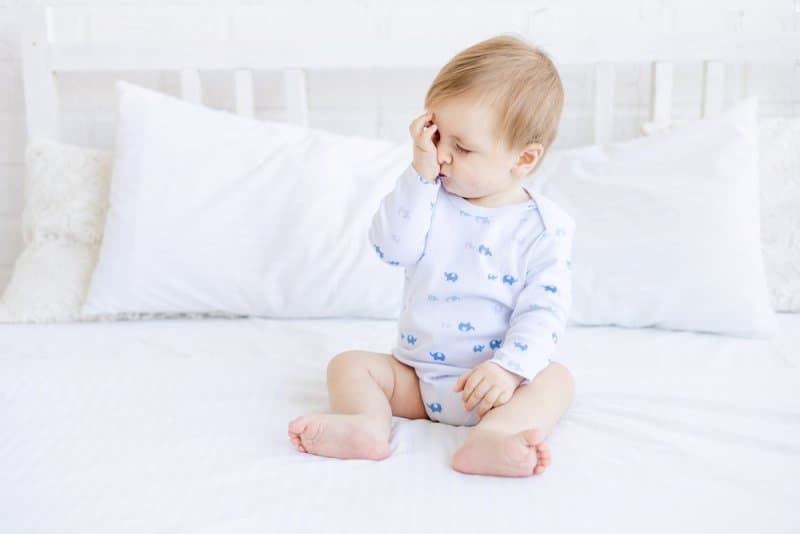
Watching your little one furiously scrub their face with tiny closed fists can make any caring parent pause and wonder what is wrong. Seeing a baby rubbing eyes right before naptime or during a fussy evening happens in almost every nursery around the world. According to pediatric sleep research from the American Academy of Pediatrics and the American Academy of Ophthalmology, newborns need fourteen to seventeen hours of total daily sleep, and missing early sleepy cues quickly triggers overtired cortisol spikes and frequent eye rubbing. Knowing why your child reaches for their face turns stressful guesswork into calm, confident parenting.
Understanding these subtle physical signals helps you respond before mild fatigue escalates into an inconsolable meltdown. It keeps your infant comfortable, well-rested, and safe from accidental fingernail scratches.
In this practical parenting guide, we explore why do babies rub their eyes, clarify when babies start rubbing their eyes, examine baby rubbing eyes when tired versus baby rubbing eyes while sleeping, explain baby rubbing eyes and crying, and share gentle steps on how to stop baby rubbing eyes safely.
Why Do Babies Rub Their Eyes?
Asking why do babies rub their eyes uncovers several completely normal biological reflexes alongside occasional minor irritations.
Fatigue and Sensory Overstimulation
A baby rubbing eyes when tired happens because ocular muscles work hard all day focusing on bright faces, colorful toys, and moving shadows. Just like adults rub heavy eyelids after staring at a screen, tired infants instinctively press their eyes to relieve muscle tension and block out overwhelming visual stimulation.
Dry Eyes From Infrequent Blinking
Infants blink significantly fewer times per minute than adults while exploring their surroundings. Staring intently at ceiling fans or picture books dries out the delicate tear film, prompting your little one to wipe moisture back across their corneas.
Curiosity and Motor Discovery
Around three to four months of age, babies suddenly realize their hands belong to them. Touching their eyelids, ears, and nose becomes an exciting sensory game as hand-to-eye coordination develops rapidly.
Mild Environmental Irritants
Invisible dust particles, pet dander, dry nursery air, or a stray eyelash resting on the lid can cause temporary itching. Gently inspecting your baby's lower lash line under bright light quickly reveals whether something needs a soft, damp wipe.
Try This: Why is Your Baby Crying in Sleep and How to Soothe Them?
When Babies Start Rubbing Their Eyes and Newborn Reflexes?
Understanding when babies start rubbing their eyes helps parents distinguish early newborn reflexes from intentional sleepy cues.
During the first few weeks of life, a newborn rubbing eyes occurs mostly through uncoordinated, jerky arm movements rather than deliberate scratching. As visual focus sharpens and voluntary arm control matures between two and four months, an infant rubbing eyes becomes a clear, repeatable communication signal that naptime is approaching.
Baby Rubbing Eyes While Sleeping vs. Baby Rubbing Eyes and Crying
Observing the context around your child's behavior tells you whether they are soothing themselves or expressing discomfort.
| Behavior Pattern | Primary Underlying Cause | Best Parent Response |
| Baby Rubbing Eyes While Sleeping | Active REM sleep transitions and natural self-soothing | Observe quietly without waking unless fingernails threaten skin |
| Baby Rubbing Eyes and Crying | Overtiredness, trapped gas, or itchy allergic irritation | Dim bedroom lights, swaddle gently, and begin soothing routine |
| Rubbing With Watery Discharge | Blocked nasolacrimal tear duct or mild viral eye infection | Wipe outward with a warm damp washcloth and consult pediatrician |
| Rubbing After Outdoor Walks | Seasonal pollen exposure or windy dry air irritation | Rinse the face gently with lukewarm water and run a cool humidifier |
How to Stop Baby Rubbing Eyes Safely at Home?
Learning how to stop baby rubbing eyes focuses on protecting delicate skin while addressing the underlying trigger gently.
- Catch Early Sleepy Windows: Watch for subtle yawns, glazed stares, or pink eyebrows, and lay your baby down before overtiredness sets in.
- Trim and File Tiny Fingernails Regularly: Use a baby emery board or rounded safety clippers twice weekly so curious fists never scratch delicate eyelids.
- Use Breathable Cotton Mittens or Fold Over Sleeves: Dress newborns in sleepers with built-in fold-over cuffs during naps if they aggressively rub their face.
- Clean Eyelids With a Warm, Damp Washcloth: Gently wipe from the inner corner toward the outer ear using plain warm water to clear dried sleep crust or dust.
- Run a Cool Mist Nursery Humidifier: Adding gentle moisture to dry bedroom air prevents tear evaporation and keeps sensitive eyes comfortable overnight.
When to Call Your Pediatrician About Infant Eye Rubbing?
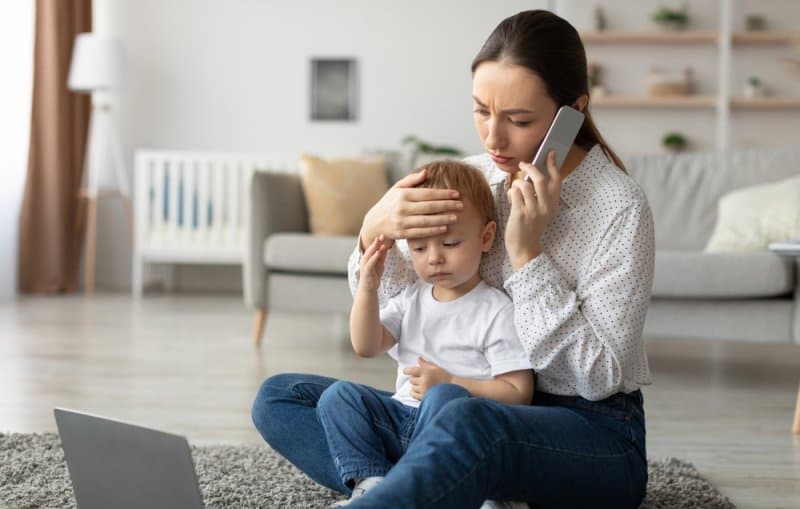
While occasional eye rubbing is completely harmless, certain visual warning signs require prompt medical evaluation from your child's doctor.
- Thick Yellow or Green Discharge: Crusty eyelids glued shut after naps often signal bacterial conjunctivitis requiring prescription eye drops.
- Persistent Redness or Swelling: Bloodshot whites of the eyes, puffy lids, or bumps along the lash line warrant a clinical checkup.
- Extreme Light Sensitivity: Squinting painfully or turning away from normal indoor lighting can indicate a tiny corneal scratch.
- Constant Unilateral Rubbing: Repeatedly tugging at only one eye accompanied by excessive tearing may point to a blocked tear duct or foreign speck.
Essential Reads: Newborn Eye Discharge: What’s Normal And What Needs Help
Conclusion
Decoding your infant's body language transforms stressful parenting moments into reassuring daily connection. Throughout this parenting guide, we explored why tired ocular muscles, dry tear films, and sensory curiosity prompt little ones to rub their faces, clarified when voluntary eye rubbing emerges, and compared nighttime self-soothing against overtired crying. We also shared five gentle home habits to protect delicate corneas and outlined clear medical signs that call for pediatric guidance.
Responding promptly to early sleepy cues keeps your baby rested, comfortable, and happy throughout every developmental leap. Trusting your instincts while keeping tiny nails smoothly filed protects your child effortlessly.
To discover more pediatrician-backed parenting insights, master gentle infant sleep routines, and build confidence through every milestone today, visit our parenting resource hub to support your growing family.
FAQs
Can teething cause a baby to rub their eyes and ears?
Yes, teething discomfort frequently causes babies to rub their eyes, cheeks, and ears because inflamed gums share connected facial nerve pathways with the upper jaw and ear canals. Offering a chilled silicone teething ring and gently massaging your baby's gums helps relieve referred facial pressure and reduces anxious eye rubbing.
How does vagus nerve stimulation calm a tired infant?
Applying gentle pressure against closed eyelids activates the oculocardiac reflex, which stimulates the vagus nerve and naturally slows your baby's heart rate and breathing. Pediatricians recognize this built-in physiological response as a natural calming mechanism that helps overstimulated infants transition smoothly from alert play into restful sleep.
Are baby scratch mittens safe for overnight sleep?
Breathable cotton mittens or sleepers with integrated fold-over cuffs are safe for newborns during the first few weeks of life to prevent accidental facial scratches. However, pediatricians recommend removing loose mittens once babies begin rolling over or sucking their hands for self-soothing around three to four months of age.
Could food allergies or eczema make an infant rub their eyes?
Yes, infants with atopic dermatitis or food sensitivities often experience dry, itchy skin around their eyelids and eyebrows that triggers frequent facial rubbing. Applying a pediatrician-approved, fragrance-free barrier ointment around the outer orbital bone and tracking potential dietary triggers helps soothe allergic skin irritation safely.
What is the safest way to flush a stray eyelash out of a baby's eye?
If you spot a loose eyelash resting on your baby's eyeball, wash your hands thoroughly and gently drip sterile saline eye drops or clean lukewarm water across the inner corner while holding the lid open softly. Never use dry cotton swabs, tissues, or tweezers near an infant's moving eye.
This content was created by AI


