Related Articles
What are the Best Outdoor Activities for Toddlers?

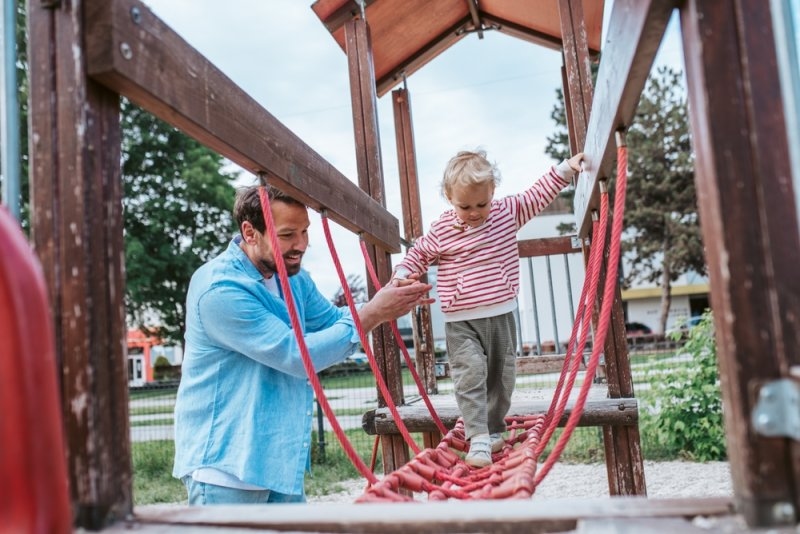
Quick Takeaways
- Sensory outdoor play strengthens neural pathways, emotional balance, and physical balance in early childhood.
- Nature walks and puddle jumping offer brilliant activities to do with no equipment in your backyard.
- Targeted physical activities for kids build gross motor skills, core muscle power, and body awareness.
- Simple everyday household items transform outdoor spaces into interactive sensory learning zones for young minds.
- Unstructured outdoor play reduces screen time reliance while fostering independence, natural curiosity, and healthy sleep habits.
Watching your little one explore the backyard with wide eyes reminds us how magical the outside world feels to a young child. Planning engaging outdoor activities for toddlers turns simple fresh air into an incredible sensory playground for healthy development. Every step on soft grass or splash in a cool water puddle builds vital skills for your growing toddler.
Pediatric health research from the American Academy of Pediatrics shows that young children need at least sixty minutes of daily unstructured outdoor movement for healthy motor development and cognitive growth. Stepping outside improves mood, regulates sleep cycles, and burns early energy naturally. In this guide, we will explore outdoor activities for 1- and 2-year-olds, share outdoor activities for toddlers under 2 at home, uncover fun outdoor games for toddlers, and highlight easy outdoor activities for toddlers that cost nothing.
Why is Outdoor Play Vital for Early Child Development?
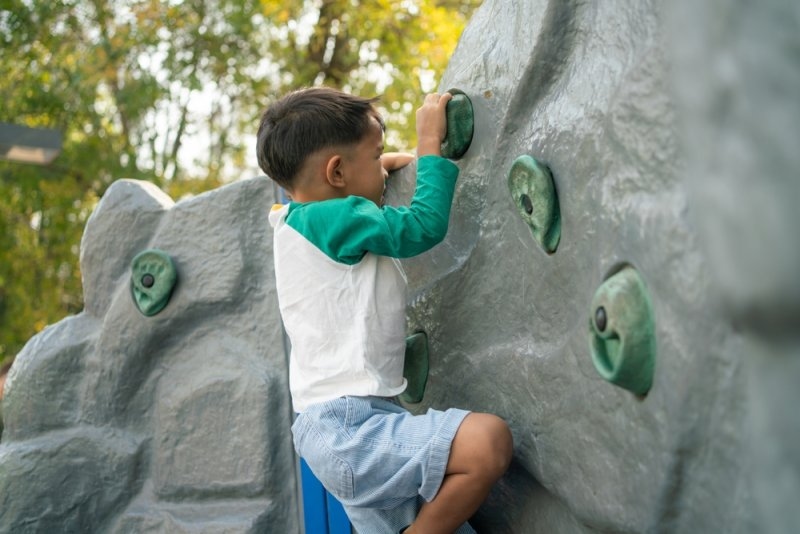
Stepping outside does far more than just break up long indoor afternoons. Nature acts as a living laboratory where toddlers test physical boundaries and learn through direct physical senses.
When young children run on uneven grass or dig in soft soil, they build critical spatial awareness. This hands-on outdoor exploration strengthens leg muscles, enhances hand-eye coordination, and encourages creative problem-solving naturally.
Outdoor Activities for 1- and 2-Year-Olds
Planning outdoor activities for 1- and 2-year-olds requires keeping ideas simple, safe, and open-ended. Children at this stage learn best through tactile sensory exploration.
1. Water Bucket Splash and Scoop
Fill a shallow plastic tub with clean water and drop in plastic cups, sponges, and large floating spoons. Toddlers love pouring water back and forth, which strengthens hand muscles and teaches early cause-and-effect relationships.
2. Nature Texture Scavenger Hunt
Guide your toddler across the lawn to touch smooth river stones, rough tree bark, soft green moss, and crunchy dry leaves. Pointing out different textures builds early vocabulary while refining tactile sensory processing skills.
3. Backyard Cardboard Box Maze
Place large open cardboard boxes on the grass to create a safe crawl tunnel. Toddlers develop core physical strength as they navigate through the boxes and play peekaboo with caregivers.
Outdoor Activities for Toddlers Under 2 at Home
Finding effective outdoor activities for toddlers under 2 at home does not require a huge yard or fancy playground equipment. Your porch, balcony, or small grassy patch offers plenty of room for fun.
- Chalk Ribbon Trails: Draw thick colorful lines or big circles on concrete pathways for your child to walk along or jump over safely.
- Leaf and Flower Art: Collect fallen leaves and flower petals, then press them onto clear contact paper taped to an outside window or patio door.
- Bubbles Chase Game: Blow non-toxic soap bubbles across the yard while encouraging your child to reach, pop, and chase them in the fresh air.
- Ice Block Rescue: Freeze small plastic toys inside a large block of ice, then give your toddler warm water squirt bottles to melt the ice block outside.
Fun Outdoor Games for Toddlers and Physical Activities for Kids
Engaging in targeted physical activities for kids keeps young toddlers active while building crucial motor coordination. Simple structured movement games teach valuable balance skills.
1. Freeze Dance Lawn Party
Play upbeat music on a portable speaker while dancing together on the grass. Pause the music suddenly and encourage your toddler to freeze in place. This activity builds auditory listening skills and impulse control.
2. Color Sorting Lawn Treasure Run
Place bright-colored plastic bowls across the grass. Hand your toddler colorful play balls or soft beanbags and guide them to match each item into the correct colored bowl.
Easy Outdoor Activities for Toddlers and Activities to Do With No Equipment
You do not need to purchase expensive toys to entertain your child outside. Discovering rewarding activities to do with no equipment relies entirely on natural surroundings and imagination.
| Activity Name | Primary Skill Built | Recommended Play Area |
| Barefoot Grass Walking | Sensory grounding and balance | Safe grassy backyard or park |
| Shadow Chasing | Spatial awareness and coordination | Sunny patio or paved driveway |
| Puddle Splashing | Leg muscle strength and joy | Rainy driveway or garden path |
| Cloud Shape Gazing | Visual imagination and vocabulary | Soft picnic blanket on the grass |
These easy outdoor activities for toddlers allow your child to lead play naturally without feeling rushed or overwhelmed by rigid rules.
Must Try: Top Questions About Brain Development In Toddlers 1-2 Years
Conclusion
Creating memorable outdoor play experiences for your child comes down to embracing simple daily moments in nature.
Throughout this guide, we explored how essential outdoor movement builds motor skills, highlighted creative activities for younger age groups, showcased home setup ideas, detailed engaging physical games, and provided free activities using zero equipment. Taking your child outside fosters healthy physical growth, builds emotional resilience, and deepens your parent-child bond every single day.
Every small step outside brings discovery and builds lifelong confidence for your child. Master early childhood milestones and access expert parenting guidance, age-appropriate activity guides, and developmental tracking tools today at Parental Mastery to empower your parenting journey every step of the way!
Are you ready to transform daily playtimes into joyful learning adventures for your growing toddler? Connect with our supportive parent community and unlock expert developmental guides to nurture your child's full potential today!
FAQs
What Should Toddlers Wear During Outdoor Nature Play?
Dress your toddler in comfortable, durable clothing that can get dirty without stress. Choose flexible sneakers that support developing arches, lightweight breathable fabrics for summer heat, and warm moisture-wicking layers for colder weather. Always apply child-safe sunscreen, place a wide-brimmed hat on your child, and select closed-toe shoes to protect little toes during rough yard play.
How Can Parents Ensure Outdoor Safety for Toddlers?
Ensure outdoor safety by inspecting the play area for sharp objects, toxic plants, exposed wires, or deep standing water before play begins. Maintain constant visual supervision, especially near steps or fences. Establish clear boundaries on paved driveways and keep a fully stocked first aid kit nearby to treat minor scrapes or insect bites quickly during backyard play.
How Long Should Toddlers Play Outside Every Day?
Toddlers thrive with at least sixty to ninety minutes of outdoor playtime spread across the day. Splitting outdoor play into short morning and afternoon sessions prevents fatigue while maintaining high engagement levels. Adjust outdoor duration based on extreme weather conditions, ensuring proper hydration and sun protection during hot summer afternoons.
How Does Outdoor Play Help Improve Toddler Sleep Habits?
Natural daylight exposure helps regulate a toddler's internal circadian rhythm, promoting better night sleep. Physical movement outdoors burns excess physical energy, decreases stress hormones, and encourages deeper rest. Toddlers who enjoy consistent outdoor time fall asleep faster and experience longer, higher-quality nap periods throughout the day.
What are the Best Outdoor Activities for Rainy Days?
Rainy-day outdoor play offers unique sensory benefits for toddlers when dressed in waterproof rain gear and boots. Splashing in shallow rain puddles, listening to raindrops fall on umbrellas, and catching falling raindrops on open hands provide exciting sensory input. Keep rainy play sessions short and transition indoors for warm clothes immediately afterward.
This content was created by AI


