Related Articles
Breastfeeding vs Pumping: Which Feeding Method Suits You?


Key Takeaways
- Breastfeeding vs pumping isn't a competition. Most parents end up doing a bit of both eventually.
- Nursing gives you that skin-to-skin closeness. Pumping gives you a break when you need one.
- Pumped milk isn't watered down or "lesser"; it's the same milk, just in a bottle.
- Combining breastfeeding and pumping usually beats picking one and forcing yourself to stick with it.
- There's no perfect answer, just whatever gets your baby fed without wearing you down.
You've probably already run into the breastfeeding vs pumping debate if you're expecting or have a newborn at home, and I'll be honest, nobody hands you a clean answer. Some parents nurse the whole time and never touch a pump. Others pump from week one and never look back. Most people, though, end up somewhere messier in the middle, combining breastfeeding and pumping without really planning it that way. It just sort of happens. Here's what each option actually involves once you're living it, not the version from a pamphlet.
What Is Breastfeeding?
Your baby latches on and feeds directly, done. No bottles, no washing parts at 2 am, nothing to remember to pack. It works on demand, whenever your baby's hungry, and the milk itself shifts a bit as your baby grows. Kind of impressive, if you think about it too long.
What Is Pumping?
Pumping is expressing milk with a manual or electric device, then storing it for someone else to feed later. It's not really a replacement for breastfeeding so much as a way to buy yourself options, like an actual full night of sleep every now and then.
Must Read: Postpartum Yoga: 10 Gentle Poses for Easier Recovery
Breastfeeding vs Pumping: How Do These Methods Differ?
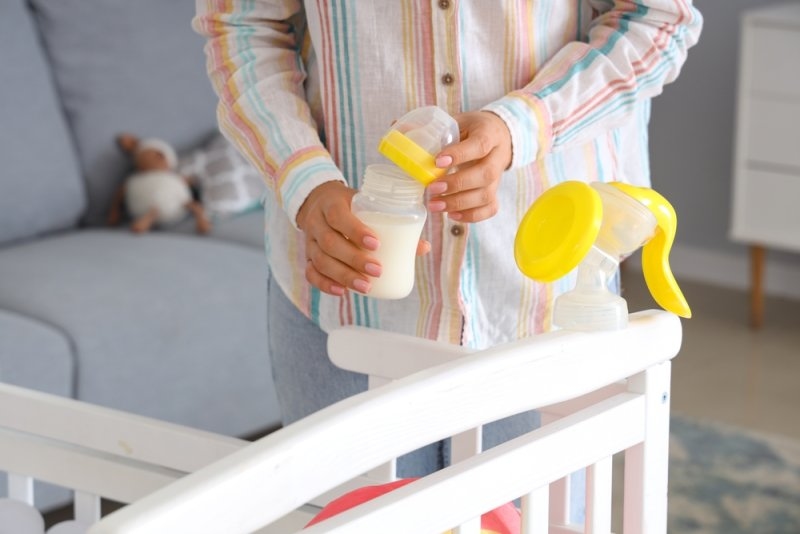
Put breastfeeding vs breast pumping next to each other, and the gaps show up fast, even though they're both aiming at the same thing in the end.
| Factor | Breastfeeding | Pumping |
| Feeding method | Direct latch | Bottle after expressing |
| Flexibility | You need to be there. | Anyone can take a turn. |
| Milk supply | Baby's suckling sets the pace. | The pump schedule sets the pace. |
| Equipment | None | Pump, bottles, storage bags |
| Bonding | Skin to skin | Still happens, just differently |
How Does a Breastfeeding and Pumping Combination Work?
Honestly, a breastfeeding and pumping combination just means nursing when you're around and letting a bottle cover the rest. Nothing complicated; it just takes a little trial and error to land on a rhythm.
1. Nursing One Side While Pumping the Other
People ask, 'Can you breastfeed and pump at the same time more than you'd expect?' And yeah, you can. Nurse one side, pump the other. Saves time, and a lot of parents notice it nudges supply up a little too.
2. Building a Small Milk Stash
Pump once or twice a day, and the freezer fills up faster than you'd think. That stash becomes a lifesaver for a missed feed, a rare date night out, or those first shaky days back at your job.
3. Adjusting the Routine as Your Baby Grows
Feeding needs don't sit still in those early months, so your routine shouldn't either. It usually helps to build pumping around your baby's sleep schedule rather than fighting against it.
Top Pick: Newborn Sleep Schedule Guide: Hours, Naps and Night Tips
What Are the Breastfeeding Benefits?
There's more to breastfeeding benefits than nutrition alone. Bonding and your own recovery get pulled into it too.
1. Bonding Through Skin-to-Skin Contact
That close, quiet contact during a feed tends to feel grounding, especially in those foggy first weeks when everything else feels like chaos.
2. Support for Postpartum Recovery
Nursing helps your uterus contract faster and burns a few extra calories along the way. Pair that with some gentle postpartum yoga and recovery moves along a bit quicker.
What Are the Pumping Benefits?
Pumping benefits basically boil down to one thing: options. Your household isn't stuck with just one way to feed the baby.
1. Shared Feeding Duties
Someone else can hold the bottle for once: your partner, a grandparent, or whoever's around. That means the nursing parent actually gets to sit down and rest.
2. Clear Tracking of Milk Supply
You can see exactly how many ounces your baby's taking in, which quiets down a lot of that "is this even enough" anxiety new parents deal with.
Breastfeeding Pros and Cons You Should Know
Being honest about breastfeeding pros and cons now saves you from feeling blindsided when the usual early challenges show up.
Pros:
- No cost involved; there's simply nothing to buy or replace.
- Always available, with milk ready at the right temperature every single time.
- Strong bonding through frequent, close skin-to-skin contact each day.
Cons:
- Only the nursing parent can handle each feed directly.
- Sore nipples and engorgement show up for most people in the first few weeks.
- Feeding in public can feel awkward for some parents, at least at first.
Pumping Pros and Cons Every Parent Should Weigh
Pumping pros and cons shifts the workload away from the feed itself and onto the cleaning and planning around it.
Pros:
- Shared feeding duties, since partners or carers can take the bottle.
- Genuinely helpful for working parents juggling feeds around office hours.
- Clear tracking of milk output, which eases the low supply worry.
Cons:
- Cleaning pump parts and bottles every day adds up over time.
- Storage planning is a must to keep pumped milk fresh and organised.
- Some parents just pump less than their baby draws through direct nursing.
Breastfeeding or Pumping: Which Is Right for You?
Breastfeeding or pumping, which is right for you, really comes down to your job, your comfort level, and how your own body handles each method. There's no wrong pick here as long as your baby's fed and you're not running yourself into the ground.
Is Breastfeeding Better Than Pumping?
Is breastfeeding better than pumping? Not really; they deliver the same nutrition. Breastfeeding's got the edge on convenience and closeness; pumping wins on flexibility. "Better" just depends on what your actual week looks like.
Is Pumping as Good as Breastfeeding?
Is pumping as good as breastfeeding nutritionally? Yes, pumped milk holds onto every bit of its value no matter how it reaches your baby. The real difference is time and cleanup, not what your baby's getting.
Conclusion
Breastfeeding vs pumping was never really a fight to begin with; it's just two roads to the same place: a fed, cared-for baby. Most parents land on some version of a breastfeeding and pumping combination that bends around work, sleep, and whatever that particular week throws at them.
Frequently Asked Questions
Should I breastfeed or pump?
There's genuinely no universal answer; both methods feed your baby just fine. Think about your schedule, your comfort, and who's around to help, and remember a breastfeeding and pumping combination usually beats forcing yourself into just one.
What is the difference between breastfeeding and pumping?
Breastfeeding means your baby latches directly onto the breast, while pumping uses a device to express milk into a bottle for later, letting other people step in and help with feeds whenever needed.
Can you breastfeed and pump at the same time?
Yes, a lot of parents nurse one side while pumping the other or pump right after a feed to boost supply. It saves time and tends to work best once your routine settles into something predictable.
Does pumping provide the same benefits as breastfeeding?
Pumped milk carries the same nutrients and antibodies as milk straight from the breast, so your baby's getting identical nutrition either way. Bonding and convenience are where things actually differ between families.
Is breastfeeding better than pumping for building supply?
Breastfeeding tends to regulate supply more naturally since your baby's suckling talks directly to your body, but steady pumping schedules can keep supply healthy too, especially when sessions match your baby's usual feeding pattern closely.
This content was created by AI


